Diet Plan of Pregnancy
Discover trimester-wise nutrition guidance, a complete 7-day Indian pregnancy meal chart, healthy foods to eat, foods to avoid, snack ideas, and expert tips for a healthy pregnancy journey.
A well-planned diet plan of pregnancy covers every nutrient your growing baby needs, from folic acid in week one to iron and calcium in the final trimester. This guide from zaminotoys.in walks you through trimester-wise nutrition goals, a practical 7-day Indian meal chart, foods to include and avoid, smart snack ideas, and safe kitchen habits. Whether you are in your first week or your ninth month, this article gives you clear, actionable meal guidance suited to the Indian kitchen and lifestyle.
Why Your Diet Plan of Pregnancy Matters
Pregnancy nutrition is not about eating more food; it is about making healthier, smarter food choices that provide the essential nutrients both mother and baby need. The right meals at each stage directly influence your baby’s brain formation, bone strength, organ development, and birth weight. A thoughtful diet plan for pregnancy also protects the mother from anemia, gestational diabetes, and excessive fatigue.
📥 Download Your Free Pregnancy Diet Plan PDF
Get a printable meal chart packed with essential nutrients for a healthy pregnancy journey.
📥 Download Your Pregnancy Diet Plan PDF
Five core reasons to prioritize your pregnancy diet:
Supports Baby’s Development – Folic acid, iron, calcium, and protein build the brain, spine, bones, and organs from the very first weeks.
Boosts Immunity – Wholesome, nutrient-dense meals strengthen both mother and baby against infections and pregnancy complications.
Reduces Morning Sickness – Small, frequent meals stabilize blood sugar and significantly ease first-trimester nausea.
Sustains Energy – Pregnancy increases your body’s energy demand. A balanced diet prevents the constant fatigue that many mothers experience.
Prevents Complications – Adequate nutrition reduces the risk of preeclampsia, low birth weight, preterm labour, and iron-deficiency anaemia.
Trimester-Wise Diet Plan of Pregnancy
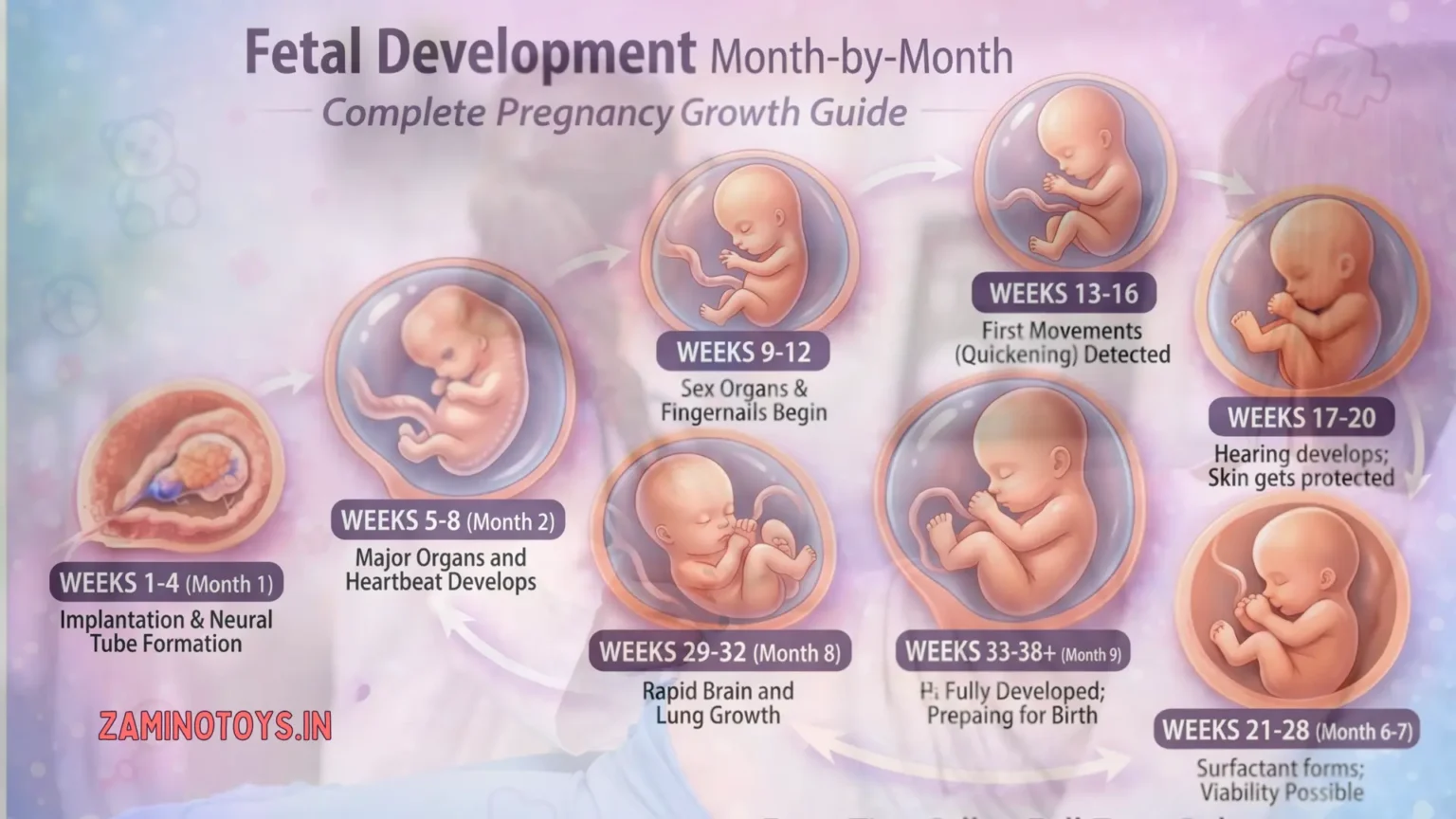
First Trimester (Weeks 1–12) – Build the Foundation
The baby’s neural tube, heart, and major organs form during these twelve weeks. Folic acid is non-negotiable at this stage.
Second Trimester (Weeks 13–26) – Fuel Baby's Growth
The “golden period” of pregnancy — nausea reduces, appetite returns, and your baby enters rapid growth. Calorie needs increase by 300–350 kcal per day.
Third Trimester (Weeks 27–40) – Prepare for Delivery
Your baby gains most of its body weight now. Nutrition needs reach their peak. Prioritise energy-dense, easily digestible meals that support delivery and breastfeeding readiness.
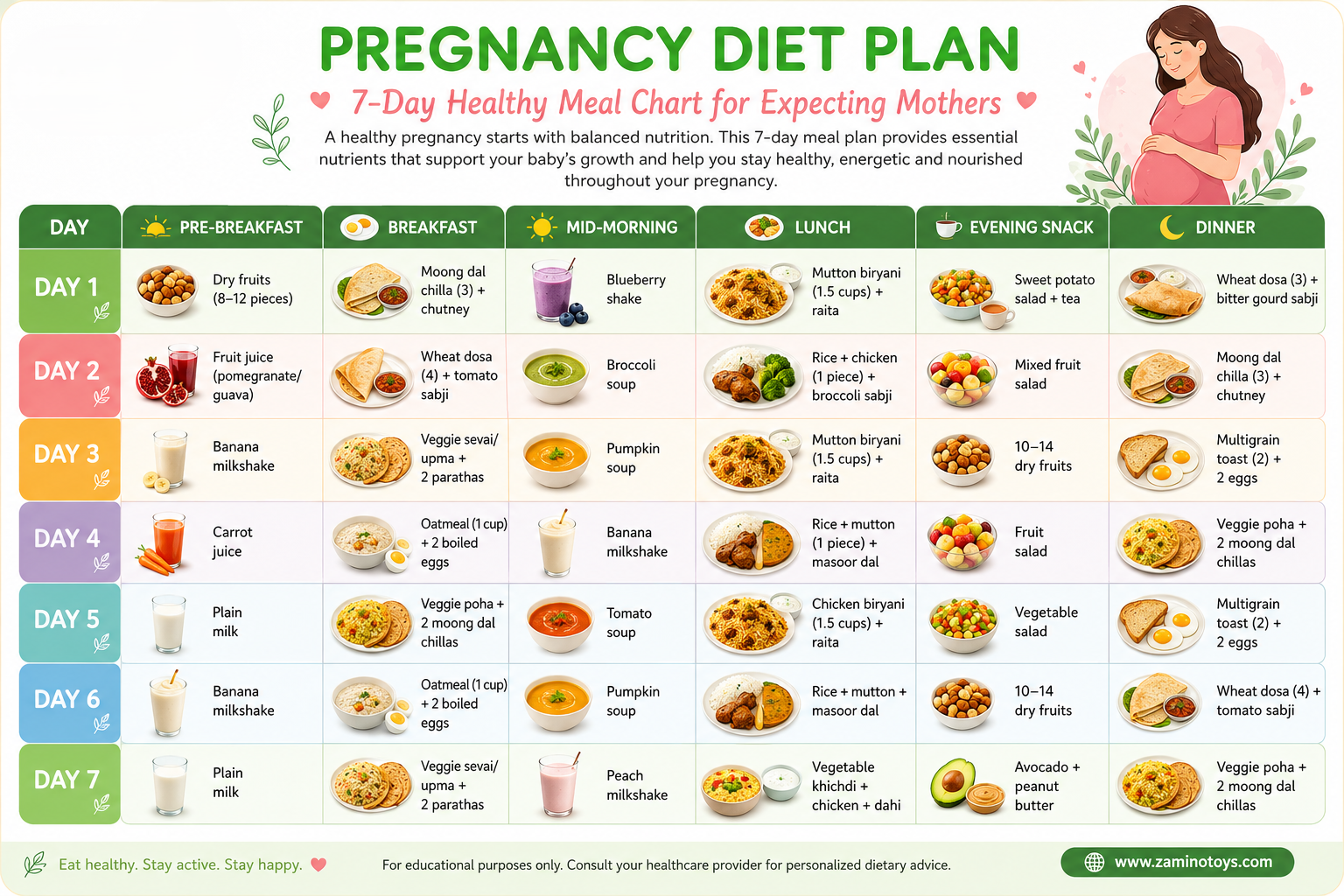
7-Day Indian Diet Chart for Pregnancy
| Day | 🌅 Pre-Breakfast | 🍳 Breakfast | ☀️ Mid-Morning | 🍛 Lunch | 🍵 Evening | 🌙 Dinner |
|---|---|---|---|---|---|---|
| Day 1 | Dry Fruits (8–12 pieces) | Moong Dal Chilla (3) + Chutney | Blueberry Shake | Mutton Biryani (1.5 cups) + Raita | Sweet Potato Salad + Tea | Wheat Dosa (3) + Bitter Gourd Sabji |
| Day 2 | Fruit Juice (Pomegranate/Guava) | Wheat Dosa (4) + Tomato Sabji | Broccoli Soup | Rice + Chicken (1 Piece) + Broccoli Sabji | Mixed Fruit Salad | Moong Dal Chilla (3) + Chutney |
| Day 3 | Banana Milkshake | Veggie Sevai/Upma + 2 Parathas | Pumpkin Soup | Mutton Biryani (1.5 Cups) + Raita | 10–14 Dry Fruits | Multigrain Toast (2) + 2 Eggs |
| Day 4 | Carrot Juice | Oatmeal (1 Cup) + 2 Boiled Eggs | Banana Milkshake | Rice + Mutton (1 Piece) + Masoor Dal | Fruit Salad | Veggie Poha + 2 Moong Dal Chillas |
| Day 5 | Plain Milk | Veggie Poha + 2 Moong Dal Chillas | Tomato Soup | Chicken Biryani (1.5 Cups) + Raita | Vegetable Salad | Multigrain Toast (2) + 2 Eggs |
| Day 6 | Banana Milkshake | Oatmeal + 2 Boiled Eggs | Pumpkin Soup | Rice + Mutton + Masoor Dal | 10–14 Dry Fruits | Wheat Dosa (4) + Tomato Sabji |
| Day 7 | Plain Milk | Veggie Sevai/Upma + 2 Parathas | Peach Milkshake | Vegetable Khichdi + Chicken + Dahi | Avocado + Peanut Butter | Veggie Poha + 2 Moong Dal Chillas |
Foods to Eat During Pregnancy
Fruits & Vegetables
Starchy Carbohydrates
Protein-Rich Foods
Dairy Products
Healthy Fats
Smart Iron Combination
Fruits and Vegetables: Bananas, mangoes, pomegranate, guava, spinach, methi, broccoli, sweet potato, carrots, and tomatoes — aim for at least five servings daily for vitamins, minerals, and fibre.
Starchy Carbohydrates: Whole wheat roti, brown rice, oatmeal, multigrain bread, and upma provide steady energy without blood sugar spikes. Always choose wholegrain wherever possible.
Protein-Rich Foods: Eggs, chicken, lean mutton, fish, masoor dal, moong dal, paneer, and nuts support baby’s cell growth and the mother’s tissue repair throughout all trimesters.
Dairy Products: Milk, curd, paneer, and buttermilk deliver calcium and Vitamin D — two nutrients your baby needs for strong bones and teeth development.
Healthy Fats: Almonds, walnuts, flaxseeds, sesame seeds, avocado, and a measured spoon of desi ghee support the baby’s brain development and the mother’s hormonal health.
Smart Iron Combination: Always pair iron-rich foods (spinach, rajma, dal) with a Vitamin C source such as lemon juice, amla, or tomatoes to significantly improve absorption
Foods and Beverages to Avoid During Pregnancy
Raw Meat & Eggs
High-Mercury Fish
Unpasteurised Dairy
Excess Caffeine
Alcohol
Junk Foods
Unripe Papaya
Raw or Undercooked Meat and Eggs: carry Salmonella and Listeria, which pose serious infection risks. Always cook thoroughly
High-Mercury Fish: such as shark, swordfish, and king mackerel harm the baby’s developing nervous system. Choose low-mercury options like salmon or rohu instead.
Unpasteurised Dairy : may contain harmful bacteria. Use only pasteurised milk and commercially packaged paneer and cheese.
Excess Caffeine: keep intake below 200 mg daily (1–2 cups of tea or coffee). Higher intake has been associated with an increased risk of low birth weight.
Alcohol : no amount is safe during pregnancy. It causes fetal alcohol syndrome and irreversible developmental damage.
Processed and Junk Foods: Foods such as chips, instant noodles, soft drinks, and fast food are often high in salt, sugar, and unhealthy fats while providing very little nutritional value.Reducing the intake of these foods during pregnancy can contribute to better health for both the mother and the growing baby.
Raw or Unripe Papaya: contains latex compounds that may stimulate uterine contractions. Consume only fully ripe papaya in small quantities.
Healthy Pregnancy Snack Ideas
Smart snacking prevents energy dips and reduces overeating at main meals. Keep these on hand:
- Mixed dry fruits: almonds, cashews, and raisins (8–14 pieces)
- Seasonal fruit salad with mango, banana, and berries
- Sweet potato chaat with chaat masala and lemon
- Homemade vegetable soups: tomato, pumpkin, or broccoli
- Banana or peach milkshake
- Avocado with a small spoon of peanut butter
- Carrot and cucumber sticks with raita or hummus
Preparing Food Safely During Pregnancy
Safe food handling protects both mother and baby from harmful bacteria and foodborne illness:
- Properly washing fruits and vegetables under clean running water before use helps maintain good food hygiene during pregnancy.
- Cook all meat, eggs, and fish to a safe internal temperature — no pink in the middle.
- Avoid street food and outlets where hygiene standards are uncertain.
- After cooking, transfer food to the refrigerator within two hours to ensure proper food hygiene
- Use separate chopping boards for raw meat and fresh produce.
- Check expiry dates on packaged dairy, eggs, and ready-to-eat foods every time.
Conclusion
A consistent, thoughtful diet plan of pregnancy is one of the most powerful gifts you can give your baby before they are even born. The good news is that the Indian kitchen already has everything you need dal, curd, ragi, fresh vegetables, eggs, and seasonal fruits cover the full spectrum of pregnancy nutrition without expensive supplements or unfamiliar ingredients.
Focus on variety across all food groups, eat small and frequent meals, follow safe food handling practices, and adapt the 7-day chart above to your taste preferences and trimester needs. Remember that every pregnancy is unique always consult your gynecologist or a registered dietitian for personalised guidance, especially if you have gestational diabetes, thyroid concerns, or are carrying multiples.
For more trusted health and parenting resources, visit zaminotoys.com where we support families at every stage of the journey
FAQ
Why is following a diet plan of pregnancy important?
A healthy diet plan of pregnancy provides essential nutrients such as protein, iron, calcium, folic acid, and vitamins that are necessary for fetal development. It also helps maintain the mother’s energy levels, supports a healthy pregnancy, and reduces the risk of nutritional deficiencies.
Which foods should be avoided in a diet plan of pregnancy?
A safe diet plan of pregnancy should avoid raw or undercooked meat, unpasteurized dairy products, high-mercury fish, alcohol, excessive caffeine, and highly processed or junk foods. Limiting these foods can help support the health of both mother and baby.
Can I follow a weight-loss diet plan during pregnancy?
No. A diet plan of pregnancy should focus on providing balanced nutrition rather than losing weight. Pregnancy is a time to nourish both the mother and the growing baby, so any dietary changes should be discussed with a healthcare professional.
Does the diet plan of pregnancy change in each trimester?
Yes. The diet plan of pregnancy should adapt to the changing nutritional needs of each trimester. The first trimester emphasizes folic acid, the second trimester requires more protein and calcium, and the third trimester focuses on iron, healthy fats, and additional energy for the baby’s rapid growth.