
What Is a Pregnancy Test?
A pregnancy test detects the hormone hCG to help determine if you are pregnant. Home urine tests provide quick results, while blood tests can detect pregnancy earlier. For accurate results, follow the test instructions and test at the right time. If your result is positive or unclear, consult a healthcare professional for confirmation and further guidance.
Types of Pregnancy Tests
A pregnancy test is a quick and reliable way to check for pregnancy. It detects human chorionic gonadotropin (hCG), a hormone that the body produces after a fertilized egg attaches to the uterus. Because hCG appears early in pregnancy, testing for this hormone can help identify pregnancy at an early stage. Pregnancy tests are easy to access and can be taken at home or performed by a healthcare professional. They deliver fast results, helping individuals make informed decisions about their health and pregnancy journey. For more pregnancy, parenting, and child development resources, visit zaminotoys.in.
There are several ways to test for pregnancy, depending on the situation and the level of accuracy needed.
Home Pregnancy Test (Urine Test Kit)
A home pregnancy test is the most common type of pregnancy test. It uses a urine sample to detect hCG and can be done privately at home. Most test kits provide results within a few minutes.
Blood Test
A blood pregnancy test is performed in a clinic or laboratory. It can detect lower levels of hCG than a urine test, which means it may confirm pregnancy earlier. Blood tests are often used when a healthcare provider needs more detailed information.
Ultrasound
An ultrasound is not usually the first step in detecting pregnancy, but it may be used later to confirm pregnancy and monitor the baby’s growth and development.
Why Do People Take a Pregnancy Test?
There are many reasons why someone may take a pregnancy test.
- Missing a menstrual period.
- Suspecting pregnancy after unprotected intercourse.
- contraception failure.
- Planning for pregnancy.
- Before starting certain medications or medical treatments.
- Confirming pregnancy symptoms such as nausea, fatigue, or breast tenderness.
- Taking a pregnancy test can provide early answers and help individuals seek appropriate medical care if needed.
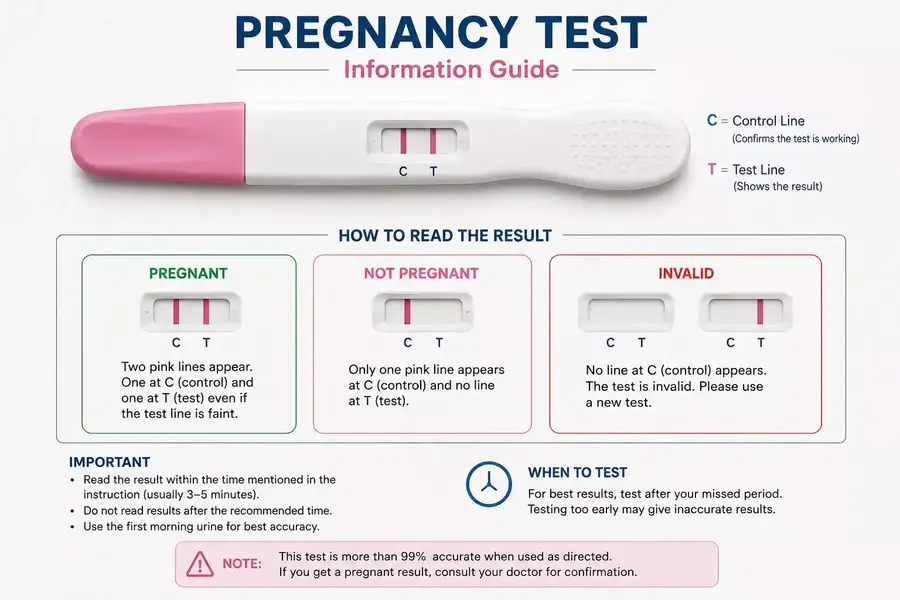
How to Use a Pregnancy Test Kit Correctly at Home
Using a pregnancy test kit correctly is important for getting accurate results. Although most home pregnancy tests are easy to use, following the instructions carefully can improve reliability.
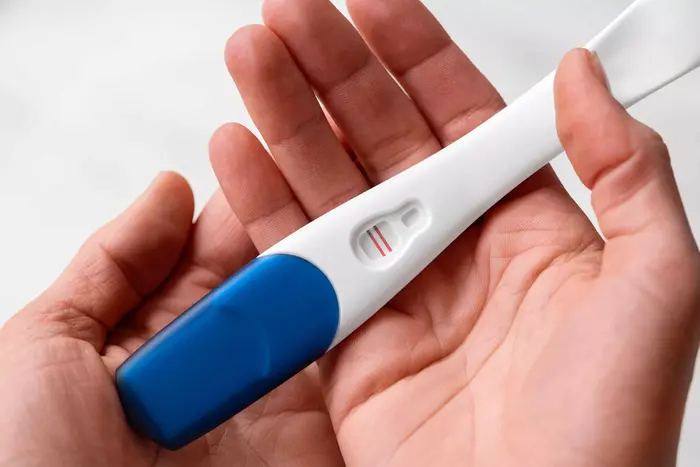
1. Take the Test at the Right Time
Testing too early may result in a false-negative result because hCG levels may not yet be high enough to detect. Many experts recommend using first-morning urine because it contains a higher concentration of hCG.
2. Read the Instructions Carefully
Different pregnancy test brands may have different instructions. Before starting the test, read the information provided in the package. Understanding the correct procedure can help avoid mistakes.
3. Collect the Urine Sample
Use a clean and dry container if required by the test instructions. Some pregnancy test kits allow direct testing in the urine stream. Make sure the test device remains clean and is used according to the manufacturer’s directions.
4. Wait for the Result
After using the test, place it on a flat surface and wait for the recommended amount of time. Most pregnancy tests provide results within three to five minutes. Avoid checking the result too soon or long after the waiting period has ended.
5. Check the Result
Most home pregnancy tests display results with lines or symbols.
Two lines (+) usually mean the test is positive and pregnancy is likely.
One line (–) usually means the test is negative.
If the result is unclear, repeat the test after a few days or use a new test kit.
6. Confirm with a Doctor
If your pregnancy test result is positive, schedule an appointment with a healthcare provider for confirmation. If the test is negative but your period remains delayed, you may need to take another test or seek medical advice.
Using a pregnancy test correctly can help provide accurate results and reduce confusion. Following the instructions, testing at the right time, and consulting a healthcare professional when necessary are important steps in confirming pregnancy.
What Is a Pregnancy Test Used For?
Pregnancy tests are used to check whether a woman is pregnant. These tests work by detecting a hormone called hCG, which is produced in the body during pregnancy.
Both urine tests and blood tests can detect hCG levels. A home pregnancy kit usually checks urine, while a blood test is done in a clinic or hospital.
There are two common hCG tests used during pregnancy:
- Qualitative test: Confirms if you are pregnant or not
- Quantitative test: Measures the exact amount of hCG in the blood.
Doctors may use hCG tests for several reasons, including the following.
- To confirm pregnancy: An hCG level above 25 mIU/mL usually indicates pregnancy.
- To estimate early pregnancy: hCG levels help doctors understand how early the pregnancy is progressing.
- To monitor high-risk pregnancies: Doctors may track hCG levels in pregnancies with a higher risk of miscarriage.
- To detect ectopic pregnancy: This happens when the fertilized egg grows outside the uterus.
- To identify molar pregnancy: A condition where abnormal tissue grows inside the uterus instead of a healthy pregnancy.
- To support prenatal screening: hCG tests may help detect certain conditions or birth defects in the baby.
When Pregnancy Tests Give Incorrect Results
False pregnancy test results are not very common, but they can happen. In most cases, incorrect use of the test is the reason. A false-negative result often occurs when the test is taken too early, before the pregnancy hormone can be detected. Using the test incorrectly, such as not following the instructions or using an incorrect amount of urine, may also affect the result. To get the most accurate answer, carefully follow the directions provided with your pregnancy test kit
Blood Test vs. Urine Test: Which Detects Pregnancy First?
A blood pregnancy test can confirm pregnancy earlier than a home urine test. It can detect small amounts of the pregnancy hormone (hCG) in the blood before the hormone levels are high enough to show up in urine. This allows a blood test to give an earlier pregnancy result.
Can Medications Affect Pregnancy Test Results?
Most medicines do not affect pregnancy test results. Common medications such as antibiotics and pain relievers usually do not change the accuracy of the test. However, some fertility treatments that contain hCG may lead to a false-positive result. If you are using fertility medications and get a positive pregnancy test, it is a good idea to speak with your healthcare provider to confirm the result.
Will a Pregnancy Test Work If You're on the Pill?
Yes, a pregnancy test will still work if you are taking birth control pills. The hormones in contraceptive pills do not affect the accuracy of a pregnancy test or prevent it from detecting pregnancy.
Although birth control pills are highly effective, no contraceptive method is 100% guaranteed. If you have missed a period, notice pregnancy symptoms, or think you may be pregnant, taking a pregnancy test is the best way to check.
Positive Pregnancy Test? Here's What to Do Next
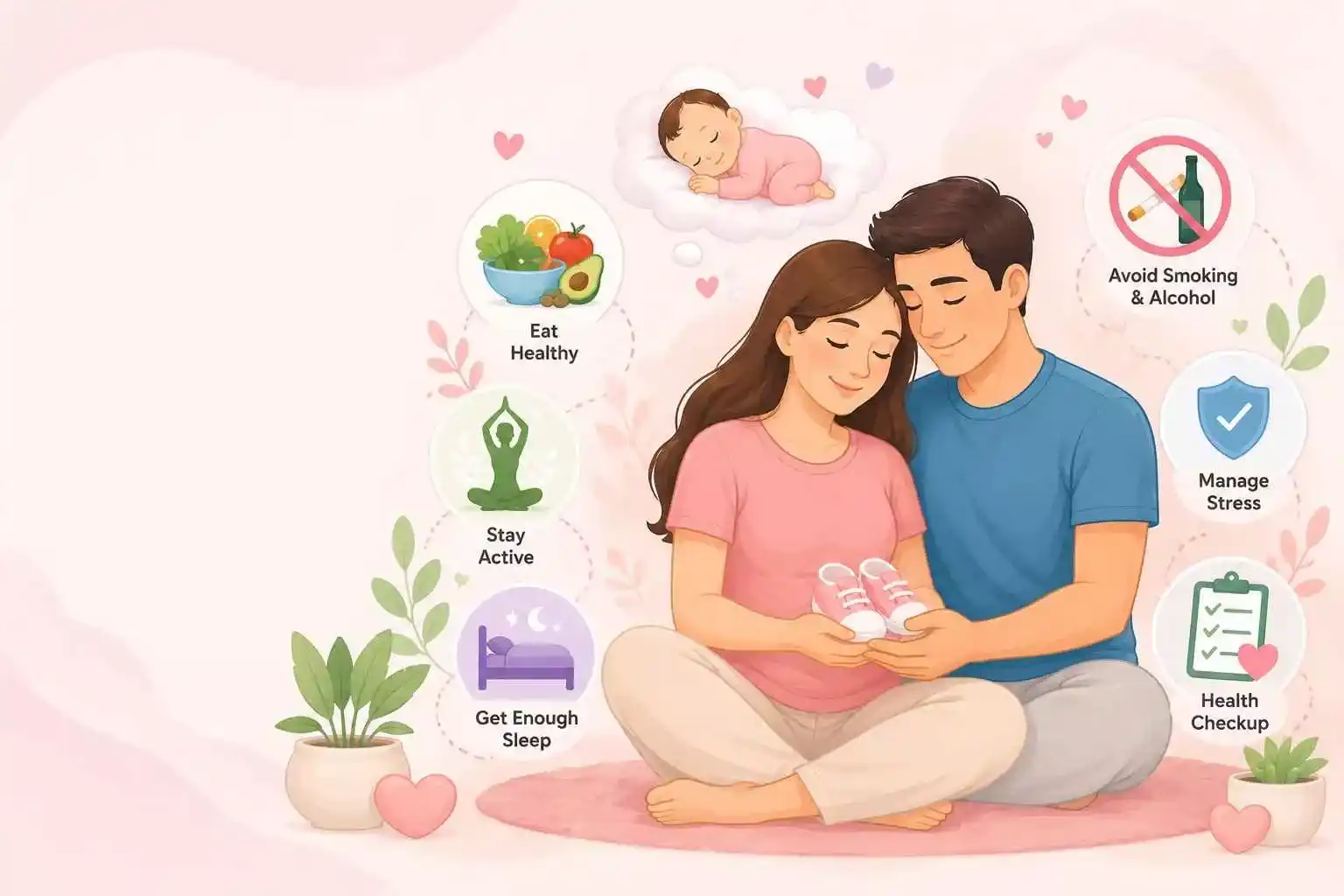
After getting a positive pregnancy test, start taking prenatal vitamins with folic acid if you are not already taking them. Contact your healthcare provider to schedule your first prenatal checkup. It is also important to follow healthy habits, such as avoiding alcohol and smoking, eating a balanced diet, and limiting caffeine intake during pregnancy.
You can also use a pregnancy due date calculator to estimate when your baby may be born and help you plan for the months ahead.
If you are unsure about continuing the pregnancy, remember that support and professional advice are available. Speaking with a healthcare professional can help you understand your options and make an informed decision. Common options may include continuing the pregnancy and raising the child, considering adoption, or discussing other available choices with a qualified healthcare provider.
It is important to seek information from trusted medical sources and healthcare professionals who can offer confidential guidance and answer your questions. Having accurate information can help reduce stress and support your physical and emotional well-being.
No matter your situation, taking the next step after a positive pregnancy test is important. Early medical advice and pregnancy care can help ensure the best possible outcome for your health and future plans.
Conclusion
A pregnancy test is a simple and reliable way to find out if you are pregnant. Using the test correctly and taking it at the right time can help you get more accurate results. Home pregnancy test kits are easy to use, while blood tests can detect pregnancy even earlier. If your pregnancy test result is positive or you are unsure about the result, speak with a healthcare provider for confirmation. Early pregnancy detection can help you make informed decisions and start the right care for a healthy pregnancy.
FAQ
How soon can a pregnancy test detect pregnancy?
Most pregnancy tests can detect pregnancy after a missed period. Testing too early may lead to an inaccurate result because hCG levels may still be low
What is the best time to take a pregnancy test?
The best time to take a pregnancy test is in the morning, especially after a missed period. Morning urine usually contains a higher concentration of hCG
How accurate is a home pregnancy test?
Home pregnancy tests are generally very accurate when used correctly. Reading and following the instructions carefully can help improve the accuracy of the result.
Can a pregnancy test give a wrong result?
Although uncommon, pregnancy tests can sometimes give false results. Testing too early or not following the instructions properly are common reasons for inaccurate results
Can medications affect a pregnancy test?
Most medications do not affect pregnancy test results. However, some fertility treatments that contain hCG may influence the outcome.

Pingback: First Trimester Pregnancy: Week-by-Week Survival Guide for Moms