


Screen-Free Toys for 0–4: Does Your Child Play or Just Watch?

Image : Pexels
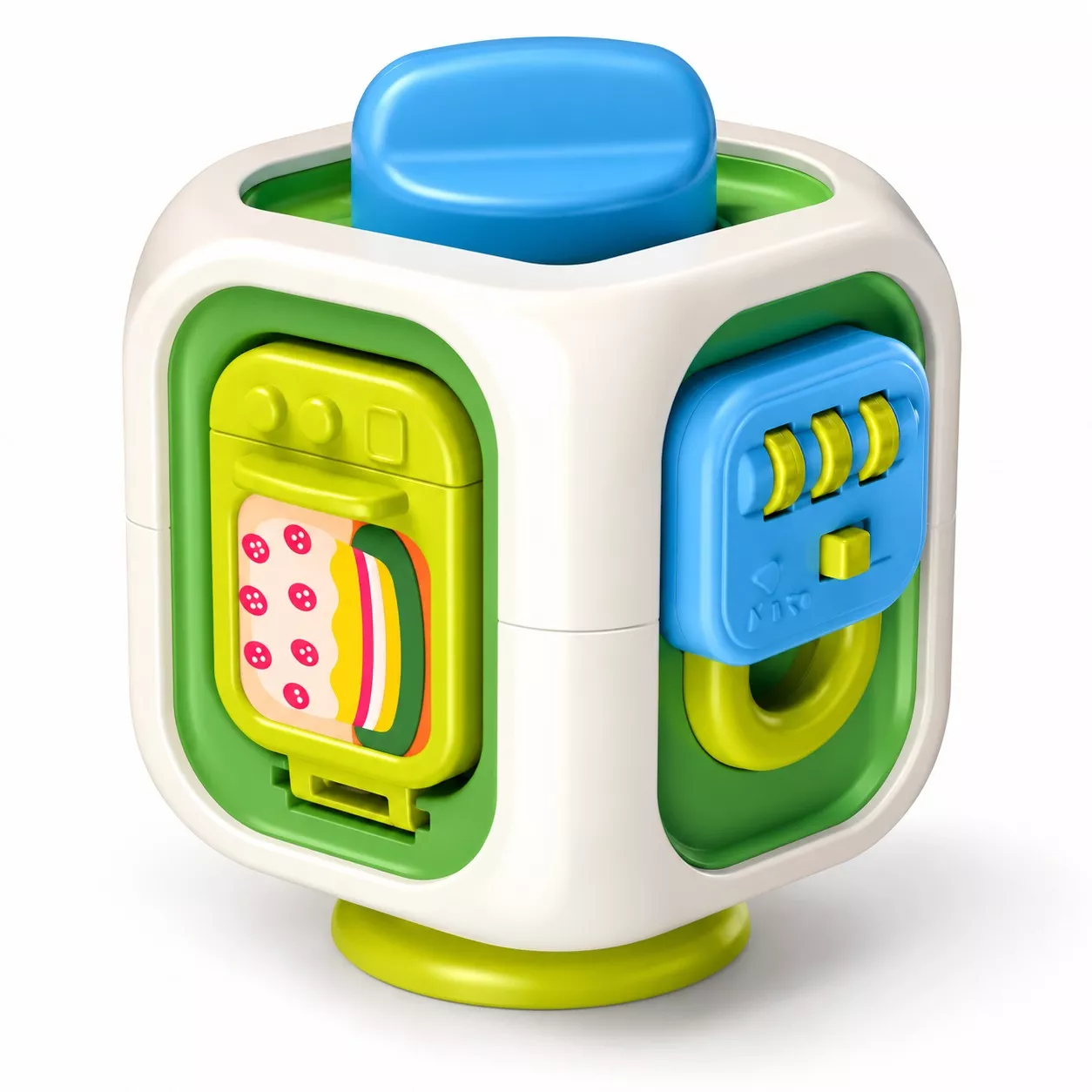
A toy does not need a screen, music or flashing lights to hold a child’s interest. Sometimes, a few simple pieces are enough. A child might spend time fitting one object inside another, turning a toy over or trying the same action several times.
That is one reason parents look for screen-free toys. They offer something children can handle and explore without needing a phone, tablet or television. But not every toy without a display is automatically a good choice.
A Toy Without a Screen Can Still Do All the Work
Imagine two toys.
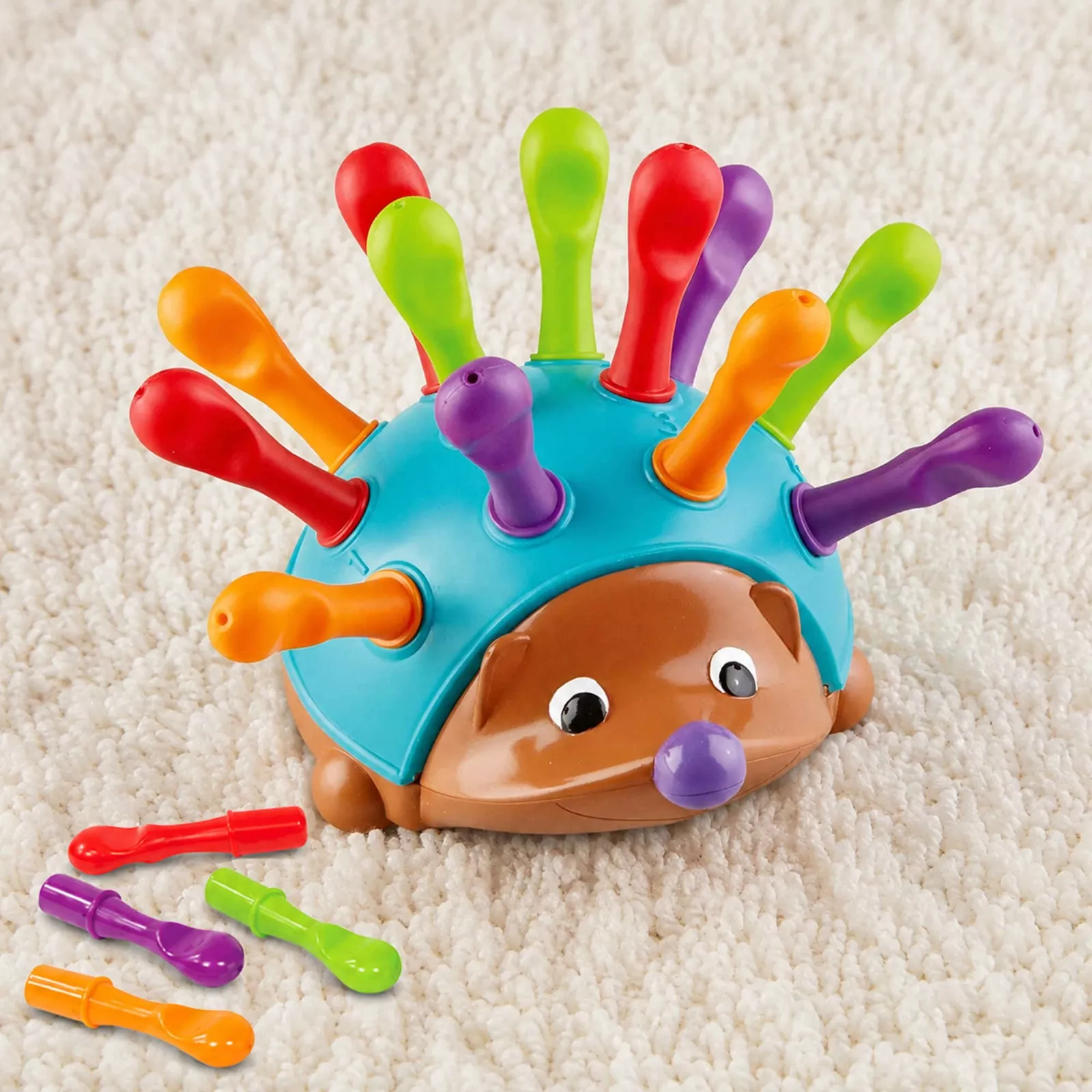
The first plays a song, flashes lights and repeats the same sounds whenever a button is pressed. The second has a few movable pieces that a child can turn, fit together and take apart.
Both are screen-free. Yet the play experience is quite different.
With the first toy, much of the action comes from the toy itself. With the second, the child decides what to do next. Neither type has to be ruled out, but it helps to understand what you are buying.
For everyday play, parents may prefer toys that leave some room for the child to explore. A toy does not need dozens of buttons or features to be interesting.
Some toys do almost everything for the child. Others leave room for children to decide what happens next. That difference is worth considering before buying.
What Counts as a Screen-Free Toy?
If a child can use it without looking at a display, it’s screen-free. It doesn’t need a phone, tablet, TV or computer to work.
Wooden, fabric, silicone and plastic toys all count. So do books, stacking cups, chunky puzzles and basic building sets.
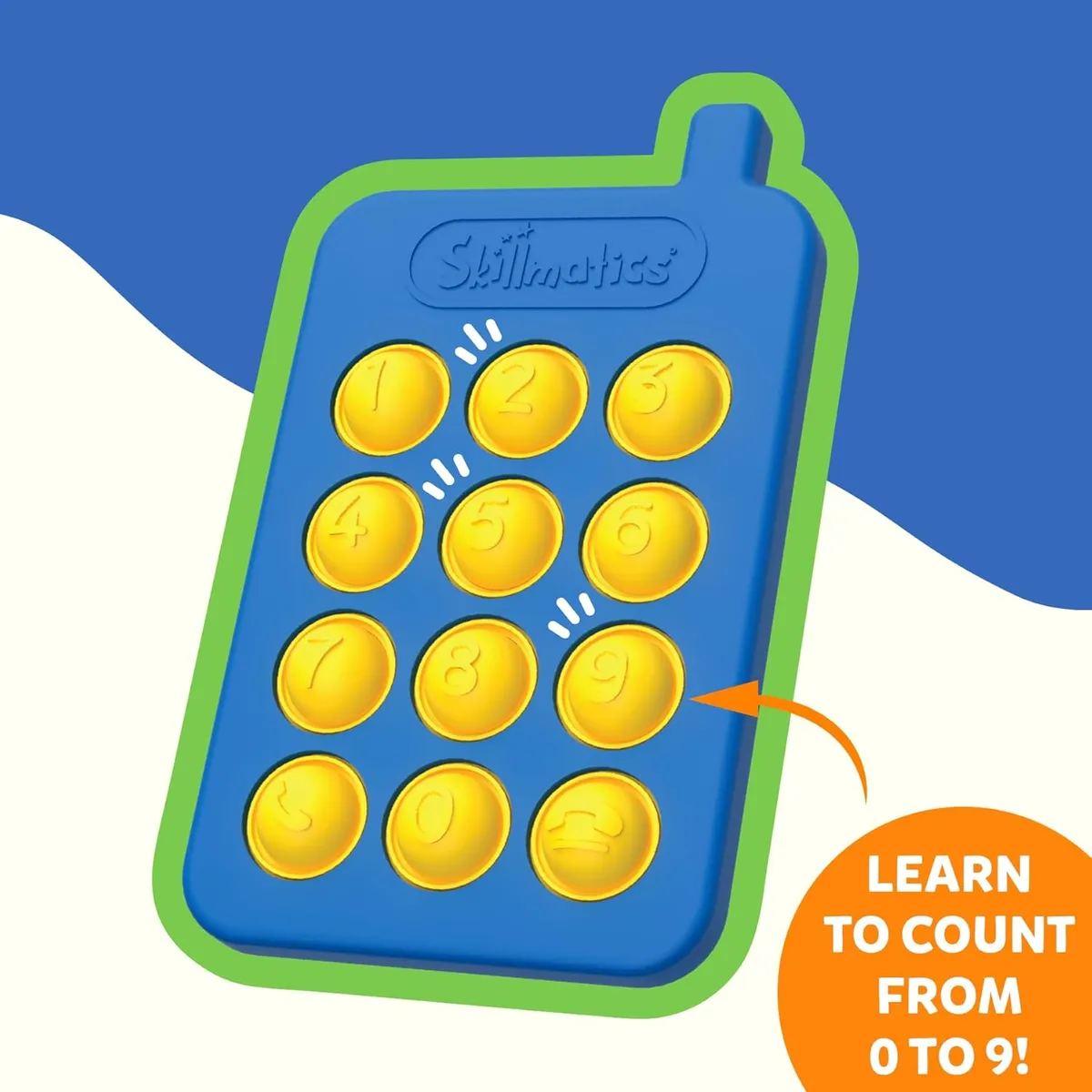
One thing parents often miss: screen-free doesn’t mean the toy has no electronics. It can have lights, music or battery-powered buttons and still have no screen.
That doesn’t rule it out. It does help to check how much your child gets to do with it. Are they making choices and trying things, or mostly pressing a button and watching and listening?
5 Checks Before You Buy
A box that says “educational” or “interactive” doesn’t tell you much. Watch how the toy gets used on an ordinary afternoon.
1. Does Your Child Play, or Just Watch?
This is the check that matters most. When your child has the toy, are they doing something with it? Or are they sitting there while the toy does everything?
Look for toys where the child has to act. They place pieces, turn them, stack them, match them or open them up.
A shape sorter works like this. The child picks up a shape and tries it in different holes until it goes in. Compare that with a toy that plays a tune each time you press a button. The child only has to press and wait.
Don’t go by the product description. Ask yourself what your child will actually do with the toy once it’s in their hands.
2. Can It Be Used in More Than One Way?
Some toys have one fixed purpose. Some can be played with in several different ways.
A set of large stacking cups, for instance, can be stacked, nested or arranged by size. The child can change the play without needing extra accessories.
This does not mean every toy must be completely open-ended. A simple toy with one clear purpose can still be enjoyable. It is just useful to consider whether the child can return to it in different ways.
3. Does It Need a Phone or an App?
Look closely at the packaging and the product page. Some toys look entirely physical and then turn out to need an app, a QR code or a phone connection for their main features.
If you’re trying to keep play away from screens, that’s a problem. When a device is needed to unlock the instructions, sounds or activities, find out whether the toy still works without it.
4. Is It Suitable for Your Child’s Age?
A toy can look easy to handle in the photos and still arrive with small accessories that are too fiddly for a younger child.
Find the maker’s recommended age before you buy. Then check how big the loose pieces are, what the toy is made from, how well it’s put together and what warnings are on the box.
For babies and children under three, small parts are a choking risk , so check them with extra care. Put damaged toys and loose pieces out of reach, and stay nearby while your child plays. [ BIS toy safety certification ]
5. Will You Need to Buy More Things?
Some toys are ready to use straight out of the box. Others need batteries, extra cards, replacement pieces or a separate accessory set.
Before purchasing, check what is included. Also consider whether the toy can still be used if one accessory goes missing.
A toy that works well on its own may be a more practical purchase for a family that does not want to keep buying additions.
It is also worth checking that the toy is easy to clean and store.
Screen-Free Toys for Different Ages
Play looks different at every stage from birth to four, so a toy that works for a preschooler can be a poor fit for a baby.
0 to 6 months: Pick things a baby can hold or watch. Soft toys, a rattle made for this age and high-contrast cloth or board books all work. Check the materials, make sure every part is attached, and look for anything loose.
6 to 12 months: Big stacking cups, sturdy soft books and activity toys made for this age give babies different ways to handle things. Keep away from toys with small pieces that can come off.
1 to 2 years: Shape sorters, large-piece puzzles, nesting toys and chunky building pieces are worth considering. Go for items that are easy to grab, with no small loose extras.
2 to 4 years: Larger building sets, matching games, pretend-play props and puzzles for the age bring more variety. Look at how many pieces there are and how big they are, particularly when a younger child plays in the same space.
These ages are rough bands, not rules. Children vary in what they like and what they have tried before. Follow the maker’s age and safety information every time.
Do Screen-Free Toys Have to Be Educational?
Not at all.
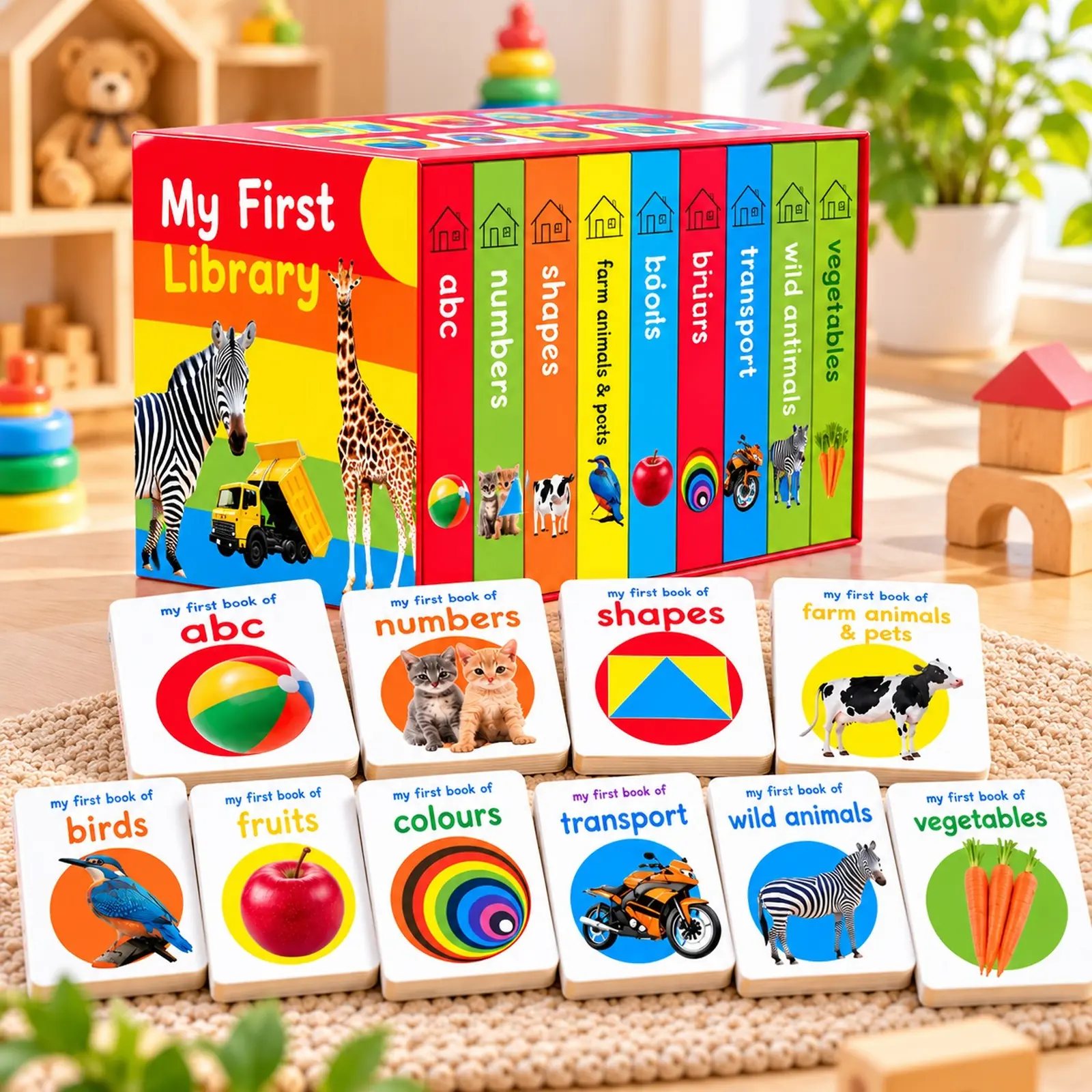
A toy doesn’t have to teach letters, numbers, colors or shapes to earn its place. Plenty of days, a child just wants to push a toy car across the floor, flip through a picture book or drop things into a tub.
You don’t need to turn every play session into a lesson. A toy can be fun without a learning goal attached. “Educational” shows up on a lot of product pages. Rather than trusting the word, look at what the toy actually does and whether your child would enjoy it.
What If Your Child Loses Interest Quickly?
Toys often get a few minutes of excitement and then sit untouched on the rug. Don’t take that as a sign the purchase was wasted.
It might have been a little too tricky or too easy. Or your child may just have wanted something else right then. Little ones switch between toys all the time.
Put out two or three toys at a time instead of the whole basket, and store the rest for a while before bringing them back. When something is new, sit beside your child, show one easy way to use it, and step back. [simple play activities at home ]
You also don’t have to keep encouraging a toy just because it was pricey.
Before You Add It to the Cart
Run through these five questions first:
Will your child play with it, or only watch and listen?
Can it be used in more than one way?
Does it work without a screen, phone or app?
Is it right for your child’s age, with pieces that are secure and big enough?
Does it need batteries, extra accessories or add-on sets?
A product photo can look lovely, but the packaging and the product page tell you more.
Frequently Asked Questions
-
Are all toys without screens suitable for babies?
Not necessarily. “Screen-free” only tells you the toy has no display, not that it suits every age. Before handing one to a baby, look at the age label, the small parts, the materials and how well it’s made.
-
Are battery-operated toys considered screen-free?
Yes, they can be. A toy that runs on batteries but has no display still counts. What’s worth checking is whether your child gets hands-on play from it or whether it mostly lights up and makes noise.
-
Do screen-free toys need to be expensive?
No. A higher price doesn’t tell you how much a toy will be used. Plain toys made for your child’s age can offer plenty of ways to play. Check the materials, the build and what’s in the box before paying extra for added features.
-
Should parents remove all screens to encourage toy play?
This article is about choosing toys, not about setting screen-time rules for your family. How you run things at home is your call. Having toys within easy reach simply gives your child another option, and your routine doesn’t have to change completely.
Choosing Toys That Leave Room for Play
A screen-free toy can be plain, cheap and short on features. What counts is whether it fits your child’s age, their interests and how they will really use it.
Look past the packaging before you buy. Ask what your child will do with it, whether it still works without a device, and whether the pieces are right for their age.
Often the toy that lets a child come up with their own ideas is a better buy than the one with the longest list of features.
SHARE THIS STORY
Latest
Pretend Play Toys: A Dad’s View of 6 Types for Young Kids
November 3, 2026
I Tried Rice, Water and Balls for Toddler Spoon Play at Home
October 29, 2026
My 2-Year-Old Loved the Sounds, But These Books Were Too Much!
October 28, 2026
Tummy Time Toys: Mat, Cards or Piano Gym? Which Is Best?
October 24, 2026
Paper Tearing, Pouring and More: 6 Activities We Tried at Home
October 21, 2026
Categories