


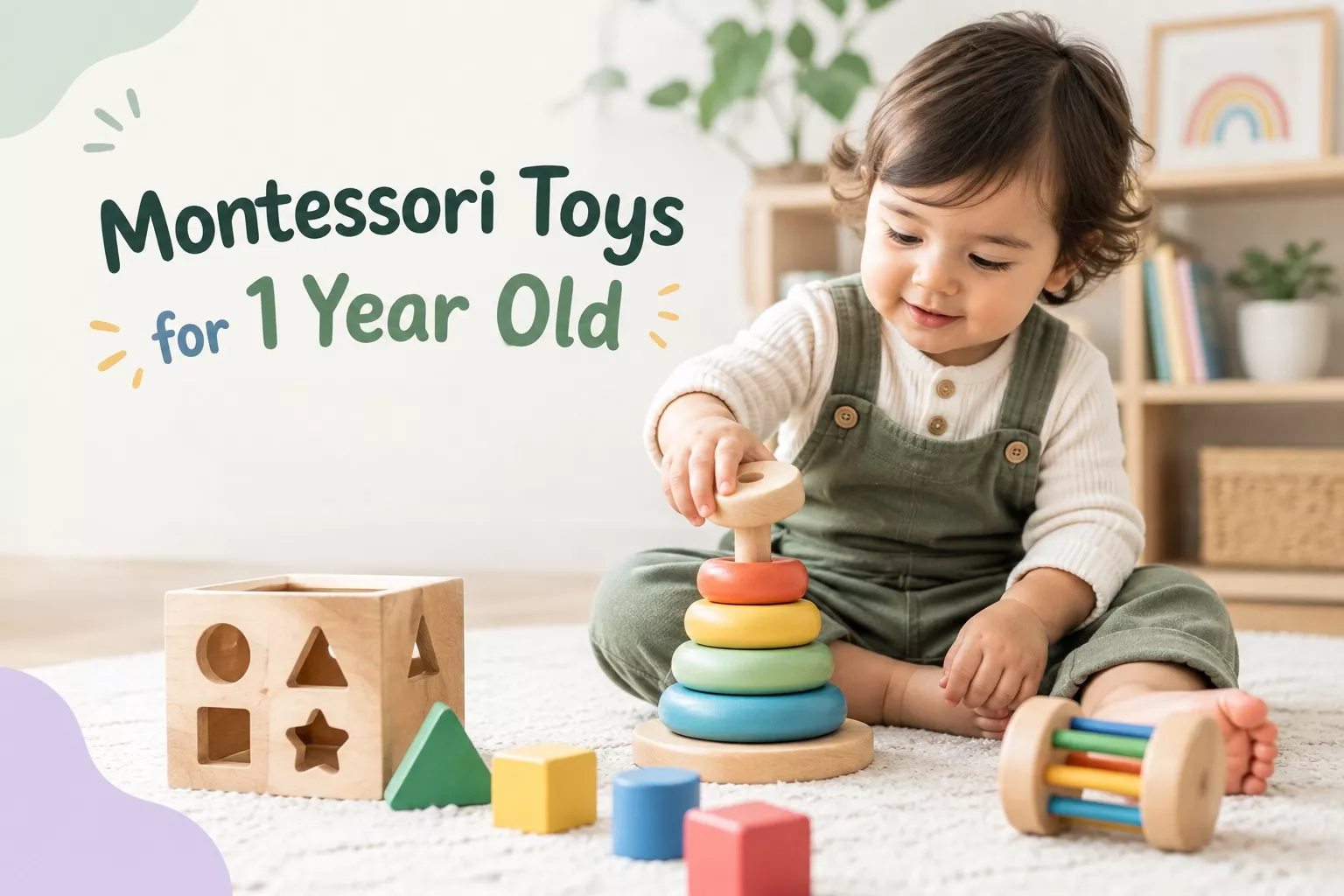
Montessori Toys for 1 Year Old: Fewer Toys, More Real Play
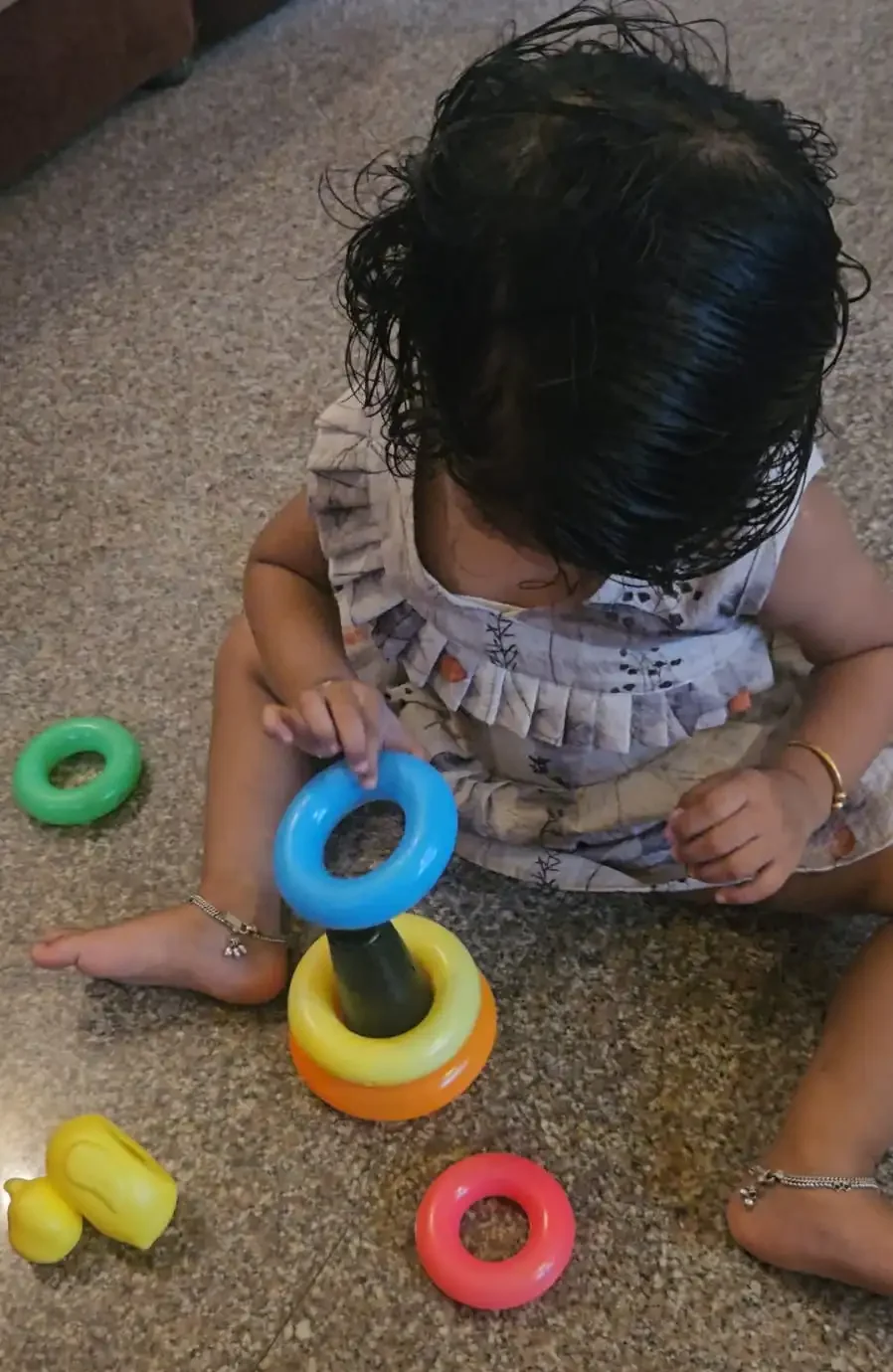
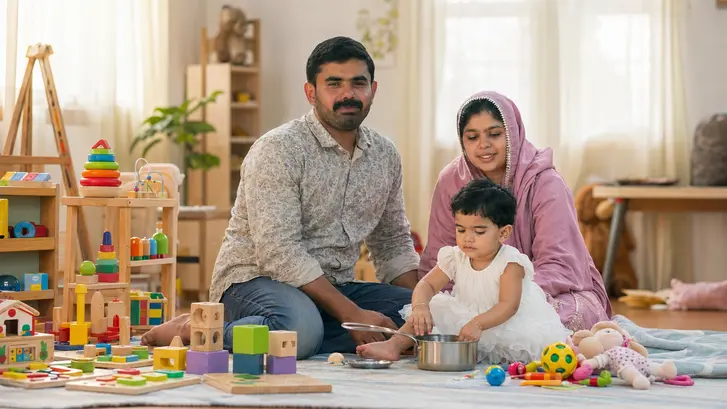
A one-year-old doesn’t need a toy box full of blinking, beeping gadgets. Honestly, most toddlers this age are happy with much less—something to grab, stack, drop, open, and try again. That’s the whole point behind Montessori toys for 1 year old. The child does the work. Not the toy.
At ZaminoToys, we look at these toys from a simple parent-focused point of view: does the toy actually give a one-year-old something to do, explore, and figure out?
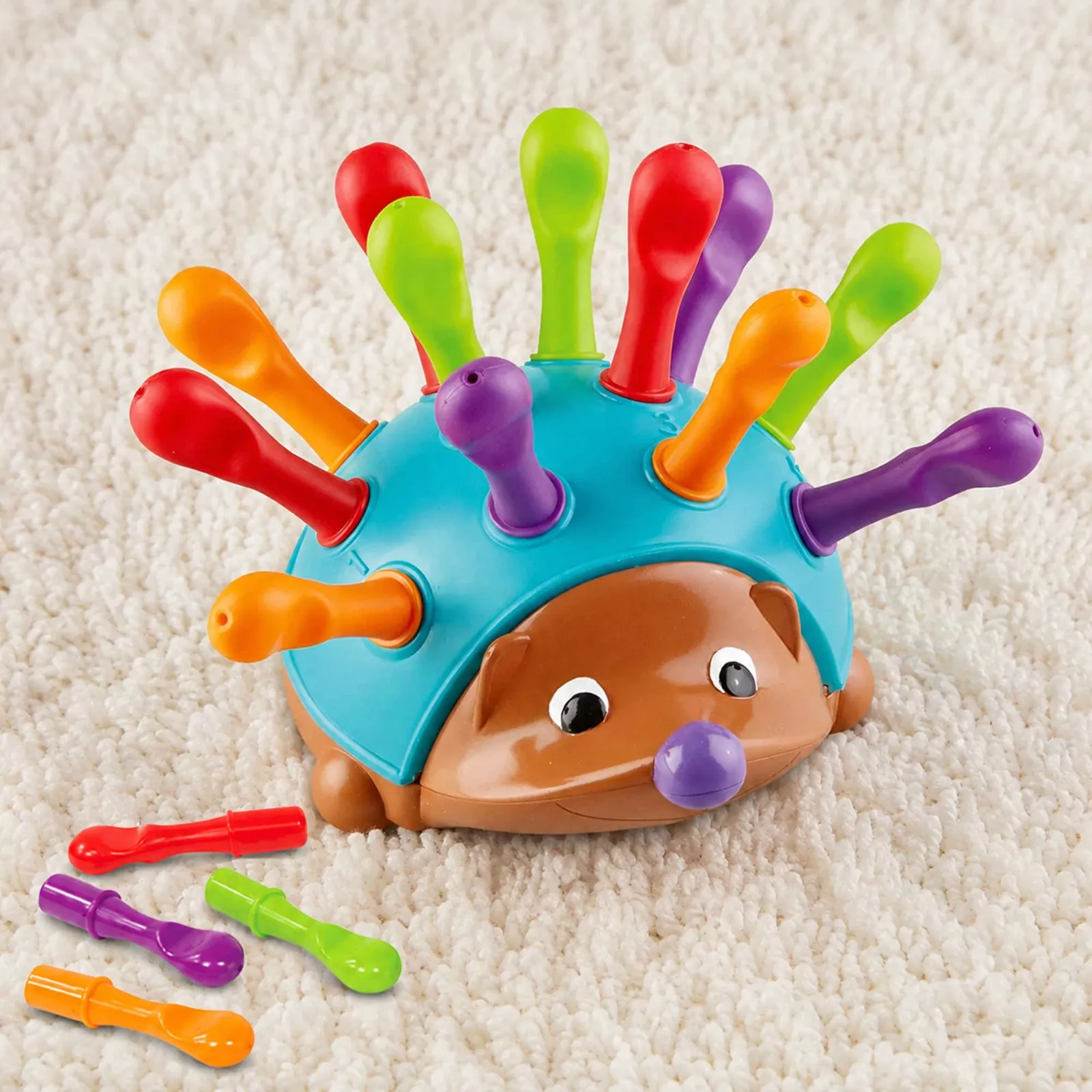
Open any toy shopping app and you’ll see what I mean. Everything flashes or sings or lights up the second a hand gets near it. Montessori toys go the other way—plain, quiet, almost a little boring if you’re the adult watching. But hand your toddler a wooden ring and watch what happens. They’re not waiting for it to do something. They’re doing something with it
What Actually Makes a Toy "Montessori" ?
There’s no official stamp for this—nobody’s checking a toy against a rulebook and handing out a Montessori seal. It’s more of a design philosophy than a brand name. But when you look closely at Montessori toys for a 1 year old, a few things tend to show up again and again:
- Real materials. Wood, cotton, metal — not moulded plastic with a battery compartment.
- One job, done simply. A sorter sorts. A stacker stacks. It's not trying to also light up and play a tune while it's at it.
- The child's in control, not a sensor or a switch.
- A built-in way to know when something's right — a peg that only fits one hole, say — so the child works it out on their own instead of being told.
- It matches what your toddler is actually working on right now, not a skill they'll need a year from now.
None of this means plastic toys are the enemy or that you need to clear out the toy box tonight. It just means Montessori toys are picked with a specific goal in mind: fewer distractions, more figuring things out.
Why 1 Year Olds Specifically Respond to These Toys
Around 12 months, most toddlers are working on a fairly specific set of physical skills—a pincer grip for picking up small things, standing and cruising, banging objects together on purpose instead of by accident, and figuring out that objects still exist even when they’re hidden. Toys built around Montessori principles tend to line up naturally with this stage because they’re designed for exactly this kind of hands-on exploration, not for passive watching.
That’s also why age labels matter more here than with most toy categories. A stacking toy built for a 2 year old might have pieces too small or too fiddly for a 1 year old’s grip, while one built for 6 months might feel too easy and get abandoned in a week.
Practical Categories to Look At
Instead of chasing a single “best” product, it helps to think in categories. These categories are based on common Montessori-inspired play principles, age-appropriate toy guidance, and how parents commonly use these toys with toddlers.
Simple stacking toys
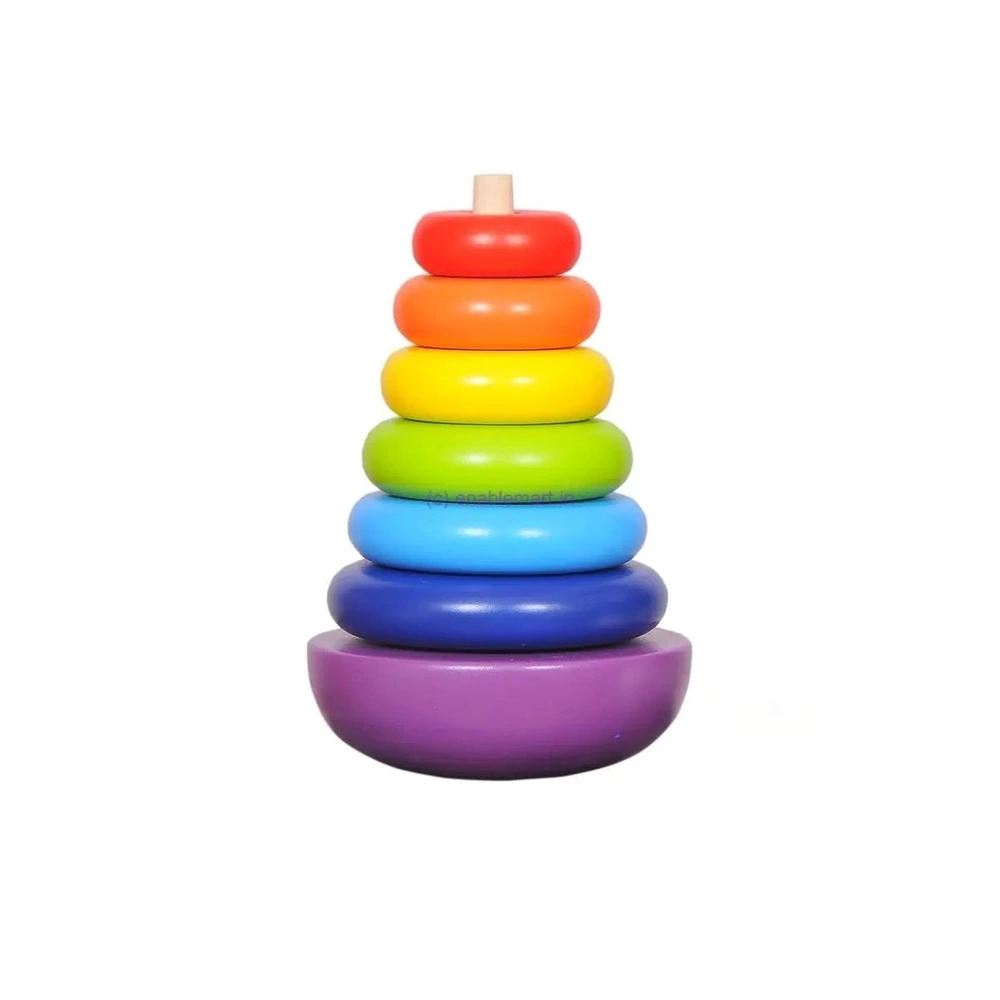
Classic wooden rings on a post, or a small set of nesting cups, give a toddler something to figure out through trial and error. There's no instruction manual needed—they'll drop it, watch it fall, and try again. This kind of open-ended repetition is exactly what this age group tends to gravitate toward.
Shape sorters with two or three shapes
A sorter with ten shapes can overwhelm a 1 year old and end up as a toy they just dump out. A simpler version with two or three distinct shapes — a circle and a square, for instance — gives them a real chance to succeed, which keeps them coming back to it.
Object permanence boxes
This is a small box with a hole on top; a ball drops in, disappears, and rolls out a hidden opening. It sounds almost too basic, but it's one of the more popular Montessori toys for this exact age because it plays directly into a toddler's growing understanding that things still exist even when out of sight.
Push and pull toys
Around 12 months, a lot of toddlers are pulling up to stand or taking early steps. A simple wooden push cart or a pull-along toy on a string gives them a reason to practice walking without it feeling like a drill.
Practical life toys
Things like a small basket for sorting objects, a set of fabric pieces to fold, or a simple latch board (with different clasps and locks to open) let toddlers copy the kind of hand movements they see adults doing every day. These are often overlooked, but they tend to hold attention longer than flashier options because the movements feel "real" to the child.
Simple sensory toys
A toy with a few different textures, or a rattle made from natural wood and rope, gives a toddler something to explore with their hands and mouth—which, at this age, is still a normal way to investigate objects.
What to Actually Check Before Buying
A few practical things matter more than the Montessori label itself:
- Size of the parts. Anything that fits inside a toilet paper roll is a genuine choking risk for a child this age. Check size guidance on the packaging, not just the age range.
- Finish and material. Look for non-toxic paint or finish, especially for anything your toddler is likely to chew—and at 1 year old, almost everything ends up in their mouth at some point.
- Weight and stability. Push toys should be heavy enough at the base that they don't tip when a toddler leans on them for support.
- How many skills it actually uses. A toy that only lights up and plays music when touched doesn't ask much of the child. One that requires grasping, turning, or fitting pieces together gives them more to do.
It’s also fair to say these toys won’t suit every child the same way. Some toddlers are drawn to quiet, repetitive toys for long stretches; others lose interest after a minute and want to move on to something new. Neither is a problem—attention span at this age varies a lot from child to child, and one product review can’t account for that.
It’s also worth being honest about something: not every Montessori-labelled toy is worth the price tag. Some are simple wooden versions of toys you could recreate at home with basic materials—a muffin tin and a few balls can work almost as well as a store-bought sorting toy for a fraction of the cost. If the budget is tight, that’s a completely reasonable route, and it doesn’t make the play any less valuable.
No-Budget Montessori Toys You Already Have at Home
You don’t need a toy budget to give your toddler real Montessori-style play—most of it is sitting in your kitchen drawer right now. Set a few things out on a tray or in a small basket and let your child explore.
- Kitchen basics. A wooden spoon, a small whisk, and a metal measuring cup give your toddler sound, weight, and the fun of pouring one thing into another.
- Spice jar posting. An empty spice jar with coffee stirrers turns into a simple posting game. Pick jars with small openings, and stay close while your child plays.
- Oatmeal tin slot box. Cut a narrow mail-slot into the lid of an empty oatmeal tin, and let your toddler post old loyalty or gift cards through it. Simple and surprisingly satisfying for small hands.
- A treasure basket. Fill a basket with a natural bristle brush, a fabric napkin ring, a soft cloth square, a silicone trivet, and a kitchen scrubber. Different textures, different weights—nothing needs batteries.
- Scarf pull box. An empty tissue box stuffed with fabric squares gives your child something to grasp and pull out, again and again.
- Egg carton sorter. Large pom-poms or corks dropped one by one into an egg carton is an easy way to practice placing one object in one spot.
- Laundry helper. Matching socks, carrying a small cloth, or wiping up a spill might not look like play, but toddlers this age genuinely enjoy copying real household tasks.
- Cardboard cube and a soft ball. A ball rolled into a cardboard box or pushed through a cut-out opening is a simple, effective way to explore where things go when they're out of sight.
- A mini kitchen tray. A small pitcher, a cup, and a sponge set out together let your toddler pour, spill, and wipe up—a small, repeatable task that feels like real work to them.
The idea behind all of this isn’t complicated. These are real objects, sized for a toddler’s hands, with a job that makes sense. Many of them come with their own built-in feedback too—a stirrer only fits through the small hole, a tin lid only closes one way—so your child works it out through trying, not through being told what to do.
A quick safety note: These activities need close adult supervision, especially when they involve small objects or items that can break into smaller pieces.
Frequently Asked Questions
-
Are Montessori toys only wooden?
No. Wood is common because it's durable and simple, but the Montessori approach is really about the design—one clear purpose and the child in control—not the material itself.
-
Do I need to buy a full Montessori toy set for 1 year old?
Not really. A handful of well-matched toys, rotated every couple of weeks, tends to work better than a large collection sitting out all at once. Rotating toys can also make old toys feel new again without spending more.
-
Is it too late to start if my toddler already has a lot of plastic, battery-powered toys?
No. You can introduce Montessori-style toys alongside whatever your child already has. There's no strict switch required, and most toy collections end up being a mix either way.
-
What if my child just throws the toy instead of using it "correctly"?
That's normal at this age. Throwing, banging, and mouthing objects is part of how toddlers explore before they move on to more purposeful use. It doesn't mean the toy is a poor fit.
conclusion
Choosing Montessori toys for 1 year old doesn’t have to mean an expensive overhaul of the toy box. It usually comes down to picking a few simple, well-made options that match what your toddler is already trying to do—grip, stack, sort, push, or open—and letting them work through it at their own pace. Some days that’ll hold their attention for twenty minutes; other days they’ll want the toy for ninety seconds and move on, and that’s completely normal too.
SHARE THIS STORY
Latest
montessori toys for 1 year old
September 15, 2026
Musical Toys for Newborns
August 21, 2026
How I Learned to Pick the Best Toys for My Daughter
August 20, 2026
Grow With Me- 0 to 5 Years milestone tracking worksheet
July 28, 2026
Categories