
- The helicopter parenting meaning
- Signs of helicopter parents
- The effects of helicopter parenting
- Practical parenting tips to raise confident and independent kids
What Is Helicopter Parenting?
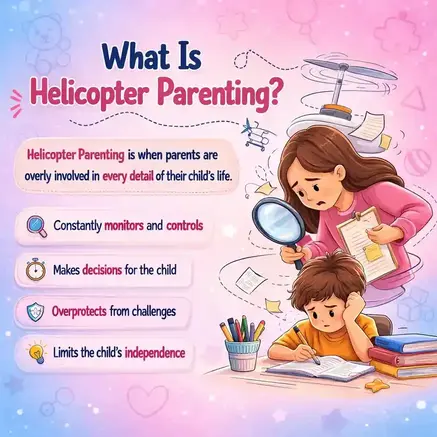
Helicopter parenting is a parenting style where parents are overly involved in their child’s life, constantly monitoring, controlling, and solving problems for them instead of allowing the child to learn through experience. The term helicopter parenting describes parents who “hover” over their children like a helicopter. They watch every action, intervene quickly, and try to prevent even small mistakes. Examples include:- Completing homework for the child
- Interfering in small playground conflicts
- Controlling every activity and schedule
- Making decisions the child should learn to make
Helicopter Parenting Meaning Explained
- Monitor every action
- Solve every problem
- Protect children from failure
- Control decisions
Signs You Might Be a Helicopter Parent
Many parents do not realize they are practicing helicopter parenting. Here are some common signs.1. Solving Every Problem for Your Child
If your child faces a small challenge, you immediately step in. Example: A child forgets their lunchbox at school, and the parent rushes to deliver it every time.2. Controlling Every Decision
Some helicopter parents decide:- what toys the child should play with
- which friends they should have
- what activities they must join
3. Fear of Letting Children Fail
Many overprotective parents believe failure will damage the child’s confidence. But small failures actually build resilience.4. Monitoring Every Activity
Examples include:- checking homework constantly
- supervising every play activity
- not allowing independent play
5. Doing Tasks Children Can Do Themselves
Examples:- dressing the child even when they can do it

- packing school bags daily
- cleaning toys without asking the child to help
Why Some Parents Become Helicopter Parents
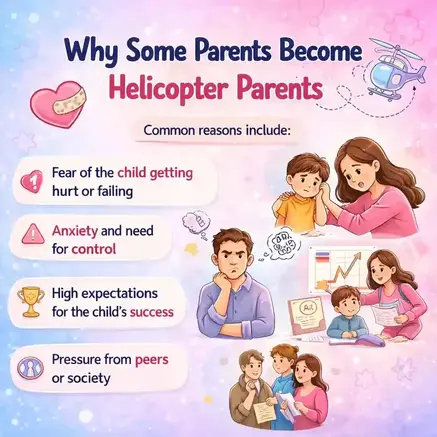
Understanding the reasons behind helicopter parenting helps parents change their approach.1. Fear for Child Safety
Modern parents are exposed to constant news about dangers. This can create anxiety and lead to overprotective parenting.2. Competitive Parenting Culture
Many parents feel pressure to ensure their child succeeds in school, sports, and social life. This pressure can push parents to control every aspect of their child’s life.3. Love and Emotional Attachment
Most helicopter parents act out of love. They simply want their child to avoid pain or struggle.4. Social Media Comparison
Seeing other children succeed online can make parents feel they must do more for their child. This often leads to excessive involvement.5. Personal Childhood Experiences
Parents who faced difficulties growing up may try to remove every obstacle from their child’s life. But experts say balanced support works better than overprotection.Effects of Helicopter Parenting on Child Development
All parents want the best for their kids. From the first steps to the first day of school, parents naturally try to protect, guide, and support their children. This care is an essential part of healthy parenting. However, when guidance slowly turns into excessive control, it may begin to affect a child’s growth and independence. One common parenting style that experts often discuss today is Helicopter Parenting. In this style, parents closely monitor almost every part of a child’s life. They may intervene quickly when problems appear, manage many decisions for the child, and try to prevent every possible mistake. While the intention is usually love and protection, research in child development suggests that too much involvement can sometimes limit a child’s ability to grow independently. According to general guidance from organizations such as UNICEF and the American Academy of Pediatrics, children learn important life skills when they are allowed to explore, try, fail, and try again. Understanding the effects of helicopter parenting helps parents recognize how small everyday habits can influence a child’s emotional strength, confidence, and independence.Reduced Problem-Solving Skills
One of the most noticeable effects of helicopter parenting is the reduction in problem solving skills in kids. Children learn how to solve problems by facing small challenges. For example, imagine a child building a toy tower that keeps falling. If the parent immediately steps in and fixes it every time, the child loses the chance to think about the solution. Over time, children who grow up with overprotective parenting may struggle to handle even simple problems because they are used to adults solving everything for them. Experts in child development often explain that problem solving is like a muscle. The more children practice thinking through situations, the stronger their skills become. When parents allow children to struggle a little—while still providing emotional support—they help them develop confidence and resilience. Allowing a child to figure out how to tie shoelaces, resolve small arguments with friends, or finish a puzzle independently can significantly strengthen their thinking abilities.Lower Confidence and Self-Belief
Another important effect of helicopter parenting is reduced confidence in children. Confidence grows when children experience success through their own effort. When parents constantly control situations or complete tasks for their child, the child may begin to feel that they are not capable on their own. For example, if a parent always corrects homework immediately, chooses activities for the child, or speaks on their behalf in every situation, the child may begin to doubt their own abilities. This does not happen because parents want to harm their child’s growth. In fact, many parents practicing Helicopter Parenting are deeply caring and involved. However, too much involvement can unintentionally send the message that the child cannot manage things independently. Child psychologists often emphasize that raising confident kids requires a balance between support and freedom. Encouraging children to try tasks themselves—even when mistakes happen—helps them build a strong sense of self-belief.Increased Anxiety and Fear of Mistakes
Children raised with intense parental monitoring sometimes develop higher levels of anxiety. When parents constantly watch, correct, and guide every action, children may feel that they must always perform perfectly. They may worry about disappointing their parents or making mistakes. This is another subtle effect of helicopter parenting that many families do not notice immediately. For example, a child might hesitate to answer questions in class or avoid trying new activities because they fear failure. Instead of viewing mistakes as learning opportunities, they begin to see mistakes as something negative. Child development specialists frequently explain that mistakes are an important part of learning. According to general guidance from the American Academy of Pediatrics, children grow emotionally stronger when they experience challenges and learn how to recover from them. A supportive parenting environment allows children to understand that failure is not something to fear—it is simply part of growth.Poor Decision-Making Skills
Healthy child independence develops when children are allowed to make choices. In families where Helicopter Parenting is common, many decisions are made by the parents. These may include choosing hobbies, selecting friends, managing schedules, or deciding how children spend their free time. Although parents believe they are helping, children may miss valuable opportunities to practice decision-making. For example, choosing between two toys, selecting a school project topic, or deciding how to manage pocket money teaches children responsibility and judgment. Without these experiences, children may grow up relying heavily on others to guide their decisions. This can affect their independence later in life. Parents who want to build stronger problem solving skills in kids can start by offering simple choices in everyday situations. Decreased Innovation and Discovery One of the most effective strategies for a child’s growth is play. Children learn how the world functions, experiment with their imaginations, and explore ideas via play. However, youngsters may lose their ability to experiment creatively if parents overly restrict play. In households with a high level of overprotective parenting, parents may manage every play session, plan every activity, and supervise every game. In households with a high level of overprotective parenting, parents may manage every play session, plan every activity, and supervise every game. Children require unstructured play even though structure is beneficial. For instance, children start to make up stories, come up with new concepts, and develop their imagination when they play with pretend toys, dolls, or building blocks without constant supervision. The value of unstructured play for creative and emotional development is frequently emphasized in UNICEF’s child development guidelines. Giving kids the freedom to independently investigate games, toys, and outdoor activities fosters curiosity and learning.Difficulty Handling Failure
Failure is a natural part of learning. However, one hidden effect of helicopter parenting is that children may rarely experience failure during early years because parents try to remove every obstacle.Long-Term Impact on Confidence and Independence
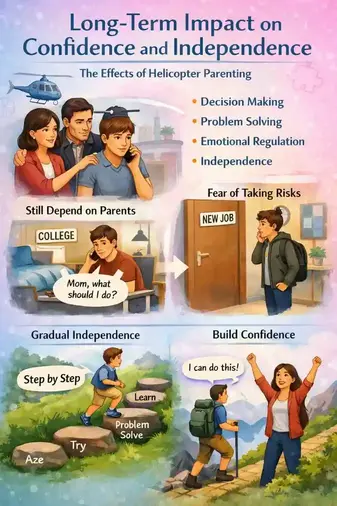 The long-term effects of helicopter parenting often appear during teenage years or adulthood.
Children raised by overprotective parents may struggle with:
The long-term effects of helicopter parenting often appear during teenage years or adulthood.
Children raised by overprotective parents may struggle with:
- decision making
- problem solving
- emotional regulation
- independence
Healthy Parenting vs Helicopter Parenting
Understanding the difference between supportive parenting and helicopter parenting is important.| Healthy Parenting | Helicopter Parenting |
| Guides the child | Controls the child |
| Encourages independence | Prevents independence |
| Allows small mistakes | Avoids all mistakes |
| Supports learning | Solves every problem |
Practical Parenting Tips to Avoid Helicopter Parenting
Here are practical parenting tips that help create balance.1. Allow Small Failures
Failure teaches resilience. Example: If a child struggles with a puzzle, let them try before helping.2. Encourage Problem Solving
Instead of solving the problem, ask:- “What do you think we should do?”
- “How can we fix this?”
3. Give Age-Appropriate Responsibilities
Children feel proud when they help. Examples:- putting toys away
- dressing themselves
- helping set the table
4. Encourage Independent Play
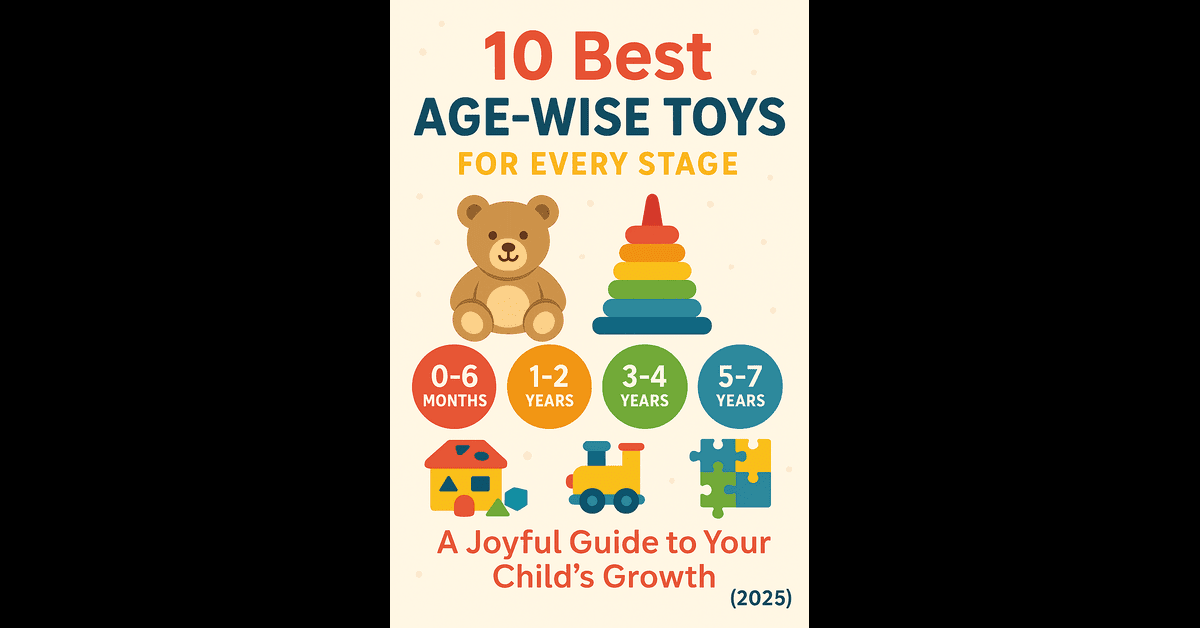
Independent play improves creativity and confidence. Toys that support open-ended play are very helpful. Age-Wise Toy Guide: Selecting the Ideal Toy for Each Developmental Stage5. Focus on Effort, Not Perfection
Praise the child’s effort instead of results. Example: Say “You tried really hard” instead of “You must win.”How to Raise Independent and Confident Kids
Encourage Exploration
Children learn through exploration. Allow them to:- try new activities
- solve small challenges
- interact with peers independently
Support Emotional Growth
Teach children to express feelings and solve conflicts calmly.Provide Safe Boundaries
Freedom does not mean absence of rules. Healthy parenting includes:- clear boundaries
- emotional support
- consistent guidance
Promote Learning Through Play
Play is a powerful learning tool. According to the WHO child development guidelines, play supports cognitive, emotional, and social growth. Parents can support development using:- sensory toys
- creative play sets
- educational toys
- Parenting Tips That Truly Work
- Toys for 0–12 Months: Sensory & Brain Development
Final Thoughts
Helicopter parenting often comes from love and a deep desire to protect children. But constant control and overprotection can unintentionally slow down a child’s emotional and social growth. When children are given the opportunity to:- explore
- make mistakes
- solve problems
- learn independently
Author Experience
This article is published on ZaminoToys, a parenting and child-development focused platform that explores how toys, play, and parenting approaches influence early childhood development.
The content is based on research from trusted child-development resources such as UNICEF, World Health Organization, and the American Academy of Pediatrics, along with widely accepted parenting psychology principles.
At ZaminoToys, our goal is to help parents understand how everyday parenting choices influence children’s emotional growth, independence, and confidence.
Our parenting guides combine research-based insights with practical parenting tips that families can apply in real life.
Research and Expert References
Many child-development experts emphasize that children learn best through exploration and experience.
Guidance from organizations such as UNICEF highlights the importance of play, independence, and supportive parenting in early childhood development.
Similarly, resources from the American Academy of Pediatrics explain that children build resilience and problem-solving skills when they are allowed to face small challenges in a supportive environment.
The World Health Organization also emphasizes that play, emotional support, and age-appropriate independence are essential factors for healthy child development.
These research insights help parents understand why balanced parenting — not excessive control — supports long-term confidence and emotional well-being.
Editorial Note
This article is written for educational and informational purposes to help parents understand different parenting styles and their possible effects on child development.
Parenting experiences can vary between families and cultures. The information shared here is not a substitute for professional medical or psychological advice. Parents who have concerns about their child’s development should consider consulting a qualified child development specialist or pediatrician.
FAQ: Helicopter Parenting
What is helicopter parenting?
Helicopter parenting is a parenting style where parents are excessively involved in their child’s life. They closely monitor activities, solve problems quickly, and try to prevent failure, often limiting the child’s ability to develop independence and decision-making skills.Is helicopter parenting harmful?
Helicopter parenting can become harmful when it prevents children from learning important life skills. Overprotective parenting may reduce confidence, problem-solving ability, and independence, which are important for healthy child development.What are the effects of helicopter parenting?
The effects of helicopter parenting include:- lower self-confidence
- poor problem-solving skills
- increased anxiety
- dependence on parents
Why do parents become helicopter parents?
Parents may become helicopter parents due to fear for child safety, competitive parenting pressure, social comparison, or a strong desire to protect their child from failure and emotional pain.How can parents stop helicopter parenting?
Parents can avoid helicopter parenting by:- allowing children to solve small problems
- encouraging independent play
- giving age-appropriate responsibilities
- supporting effort rather than perfection
Can helicopter parenting affect adulthood?
Yes. Adults raised by helicopter parents may struggle with independence, decision making, and handling failure. Learning independence during childhood is essential for long-term confidence and success.About the Author
ZaminoToys Editorial Team
The ZaminoToys team researches parenting, toys, and early childhood development topics to help parents raise confident, creative, and emotionally healthy children.
Our articles focus on practical parenting guidance, age-appropriate toys, and developmental insights supported by trusted global organizations and child-development research.

Pingback: What Is FAFO Parenting? Benefits & Risks (Explained)
Pingback: Implantation Bleeding & Cramping: Early Pregnancy Signs
Pingback: Human Fertilization: Process and How Life Begins