


Pretend Play Toys for Ages 1–4: 6 Types to Consider
Image : Magnific
An empty cup turns into tea for a teddy. A scarf becomes a cape, and a basket becomes a shop. Toddlers rarely need a big set to start a game.
Pretend play toys give them the props: food, dolls, hats, phones and puppets. They then act out something they have seen at home or make up something new.
Below are six types for ages 1 to 4, plus what to check before you pay. This is researched, not tested. We have not used these toys at home, so you will not find reviews of specific products here. One type is usually enough to start with.
This page contains affiliate links, so if you buy through one, ZaminoToys may earn a small commission. You won’t pay anything extra for it.
6 types worth a look
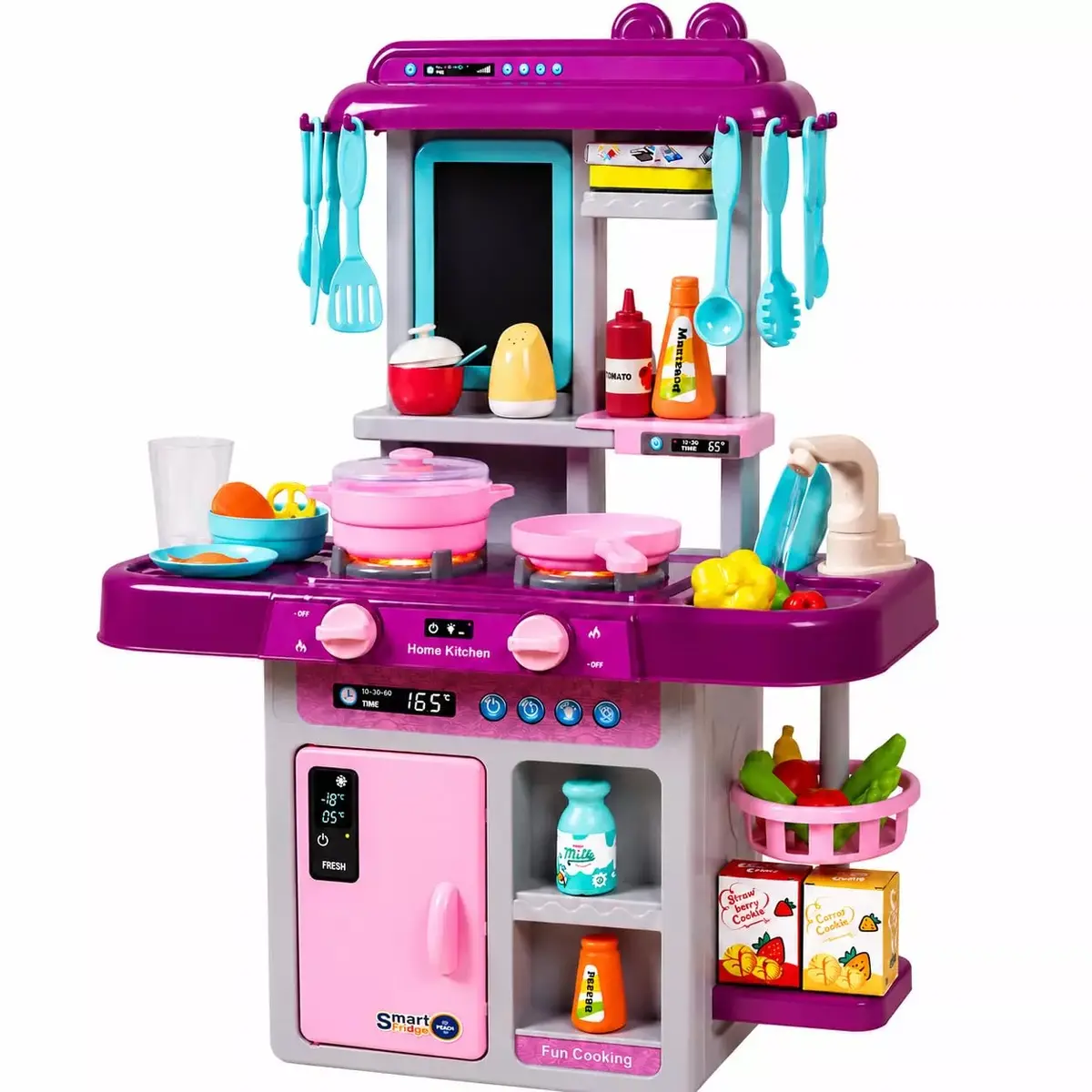
1. Toy Food and Kitchen Accessories
Pretend fruit, a few plates, a small pan, a cup or two: that’s enough for a make-believe lunch. The teddy gets fed, or everything ends up lined along the floor in a row.
Look at how many pieces come in the pack. A handful of bigger items is much easier to keep track of than a bag with forty small ones.
2. Dolls and Doll Accessories
Buy the doll alone to begin with. Clothes, a cot or a pram can wait until you see how it gets used.
Before it goes to your child, tug lightly at the eyes, hair and anything glued on. If a part shifts, don’t give it to her.
⭐
🧸
🌈
✨ LITTLE HANDS, BIG IMAGINATIONS
Little Dolls, Big Imagination!
Discover wonderful toys that inspire little minds to learn and grow.
We may earn a commission from qualifying purchases.3. Dress-up Pieces
One hat, an apron or a soft cape can start a whole role. No full costume needed.
Go for pieces your child can pull off alone. Leave out long ties, dangling fabric and small stuck-on decorations.
4. Toy Shop and Checkout Sets
A till, a basket and a few big pretend groceries are enough for a shop. Your child decides what’s for sale.
Check the extras before you buy. Tiny coins and pieces that come loose don’t suit younger children. If the till runs on batteries or makes sounds, make sure the battery cover is firmly shut and see whether the sound can be turned off.
⭐
🧸
🌈
✨ LITTLE HANDS, BIG IMAGINATIONS
Let's Play Shop!
Explore Fun Toy Shops & Cash Registers
We may earn a commission from qualifying purchases.5. Toy Phones and Household Props
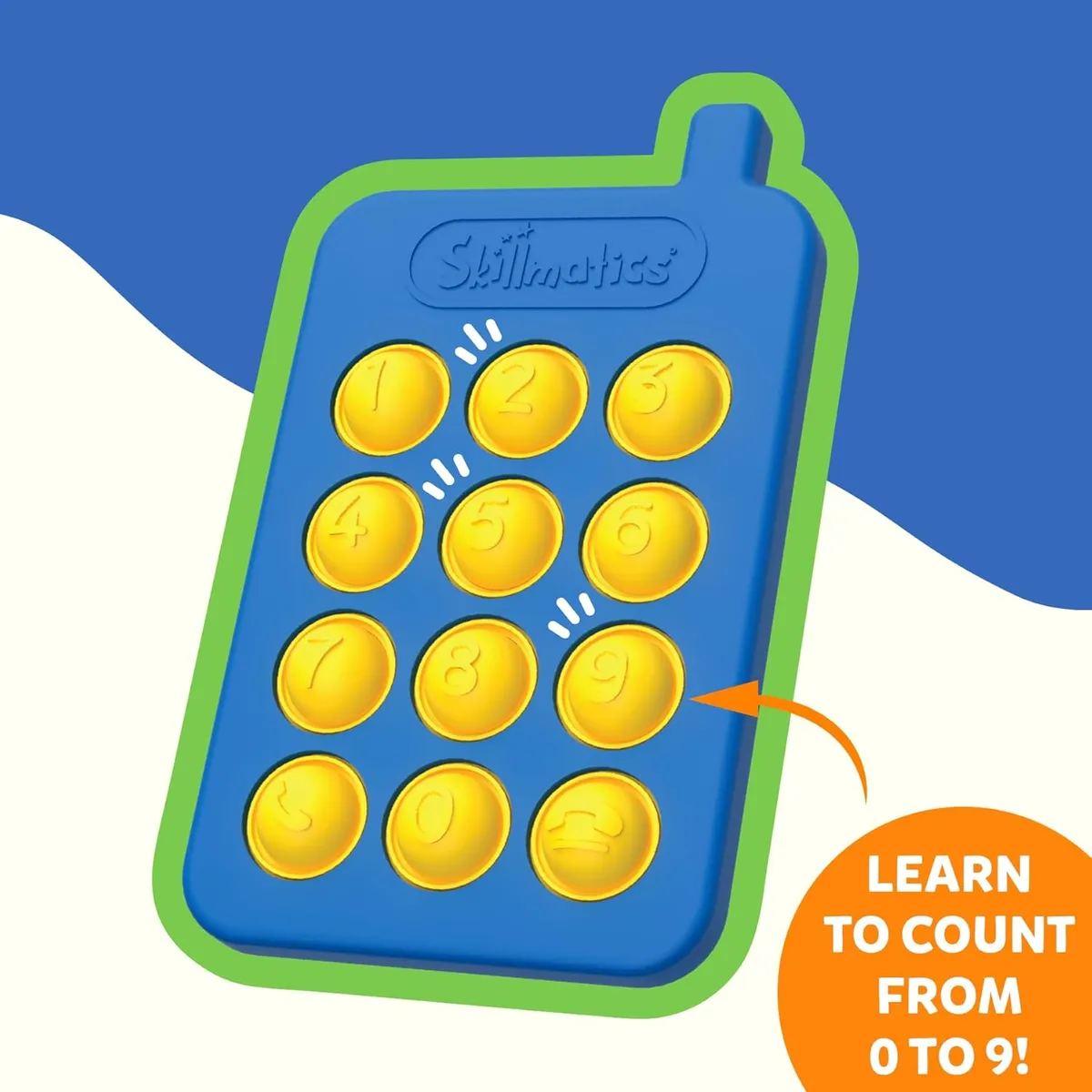
Kids love copying what they see adults do all day. A toy phone, a bunch of pretend keys or a small broom gives them a way to do it.
Look for tiny buttons, covers that pop off and battery compartments. An old phone or remote from the drawer isn’t a safe swap, because real devices have parts that were never meant for little hands.
6. Puppets and Animal Figures
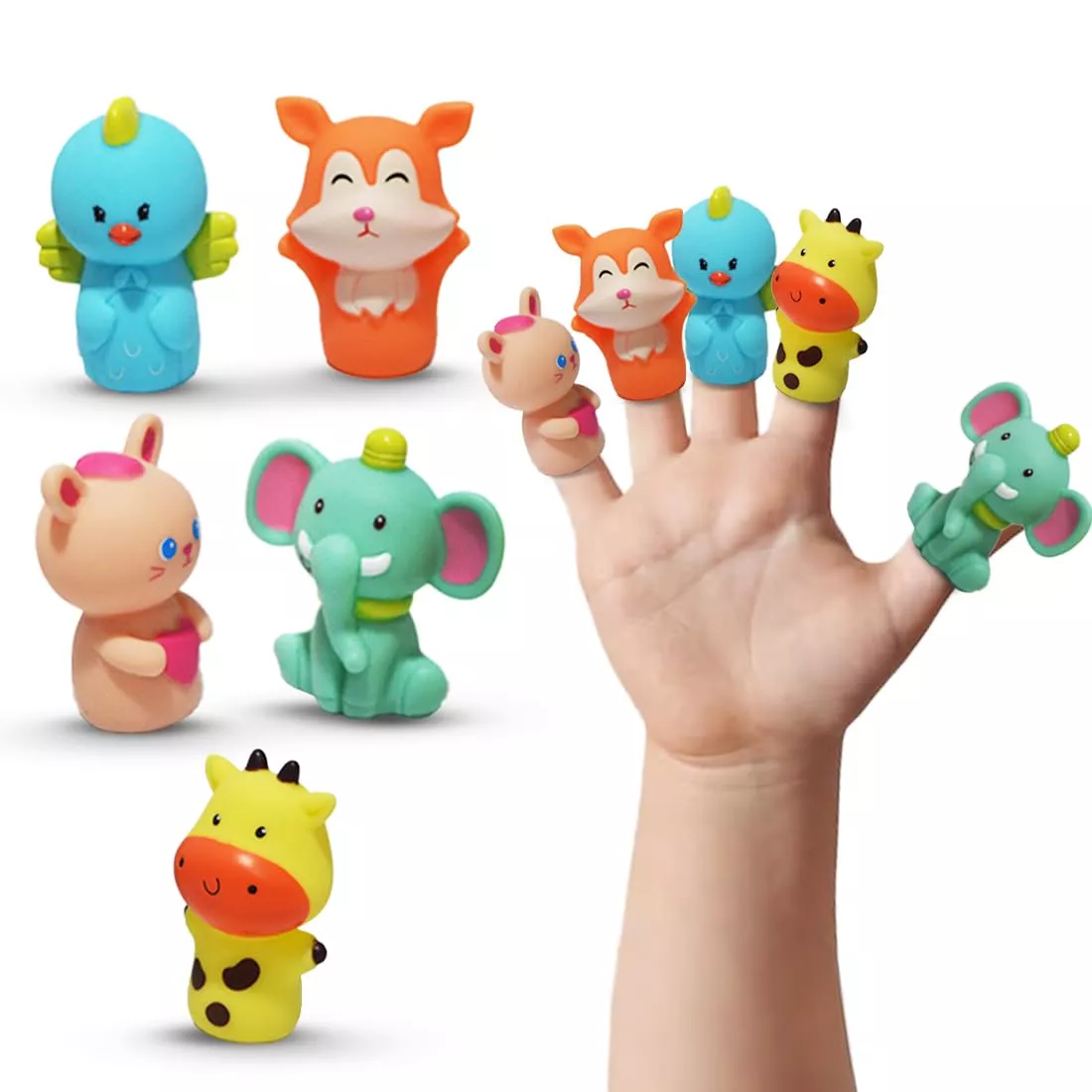
A big hand puppet or a solid animal figure quickly turns into a character. You can do the voice, or leave it to your child to decide what it says.
Run a finger over the seams and check the eyes and any stuck-on bits are held firmly. Skip figures with small parts that come off for younger children, and keep long strings and cords out of the game. View on amazon –
Buying Without Overbuying
Look at what your child already copies and start there. If they like tagging along on shop trips, a basket and a few big pretend groceries could be all they need. If a doll goes everywhere with them, one new accessory will likely see more use than a boxed set.
Before paying, run through these:
Box label: Read the age range and any warnings printed on it.
Loose bits: Count every accessory in the pack, not just the main toy.
Finish and fit: Rough edges, thin seams and lids that pop open easily are all worth catching in the shop or on unboxing.
Home for it: Think about where it will be kept and whether the pieces can stay together.
Stripped back: Imagine the toy with the lights, sounds and extras ignored. Is there still something to play with?
A clean, sturdy cardboard box can stand in as a shop counter at no cost. Keep glass, sharp tools, plastic bags, small lids and real household equipment out of reach.
Safety Checks for Under-3s
Give every toy a quick safety check before play. Look for loose parts, split seams, sharp edges, damaged pieces and long cords. Check the age label and warnings, supervise your child during play, and remove any toy that becomes damaged.
Button batteries can cause serious internal injuries if swallowed. For battery-operated toys, check that the battery compartment is secure and cannot be easily opened by a child. Follow the manufacturer’s safety instructions, and keep spare and used batteries out of children’s reach.
For more information, see the US Consumer Product Safety Commission’s toy safety guidance and the Bureau of Indian Standards’ toy certification information.
How Pretend Play Supports Learning
Pretend play can be more than a fun way to pass the time. When children pretend to run a shop, cook a meal or care for a doll, they get opportunities to use their imagination, practise everyday conversations and make simple choices.
Parents can support this kind of learning with a few safe props and time to play freely. For more ideas, explore these play-based learning activities for preschoolers.
A full toy set isn’t necessary. A few age-appropriate items can give children plenty of ways to create their own little stories.
Does a child need a full set?
No. One doll, a toy cup or a few large figures can start a game. A themed set keeps matching pieces together, but it isn’t required. If you’re unsure, buy one item.
For ideas by age, see our pages on toys for 2-year-olds, toys for 3-year-olds and toddler toys. You can also browse our toy collection.
Questions parents ask
-
Are pretend play toys suitable for 1-year-olds?
Some larger, plain toys can be, but check the age label and every piece in the set. Detailed sets often include accessories meant for older children. Stay close while your child plays.
-
Which should I buy first: a kitchen set or a toy shop?
Go with whichever your child already copies. Begin with a few sturdy pieces. A bigger set is not automatically better.
-
Can household objects stand in for toys?
Yes. A sturdy box or a large, clean container makes a good prop. Avoid glass, sharp tools, bags, small parts and real equipment.
Starting small
A toy doesn’t need dozens of accessories to become part of a game. One or two suitable pieces are often enough, and a safe household object sometimes does the job. When you compare pretend play toys, look at your child’s interests, the age label, what’s in the box and how safe it is. ZaminoToys wants you to make that choice without adding to a shopping list.
SHARE THIS STORY
Latest
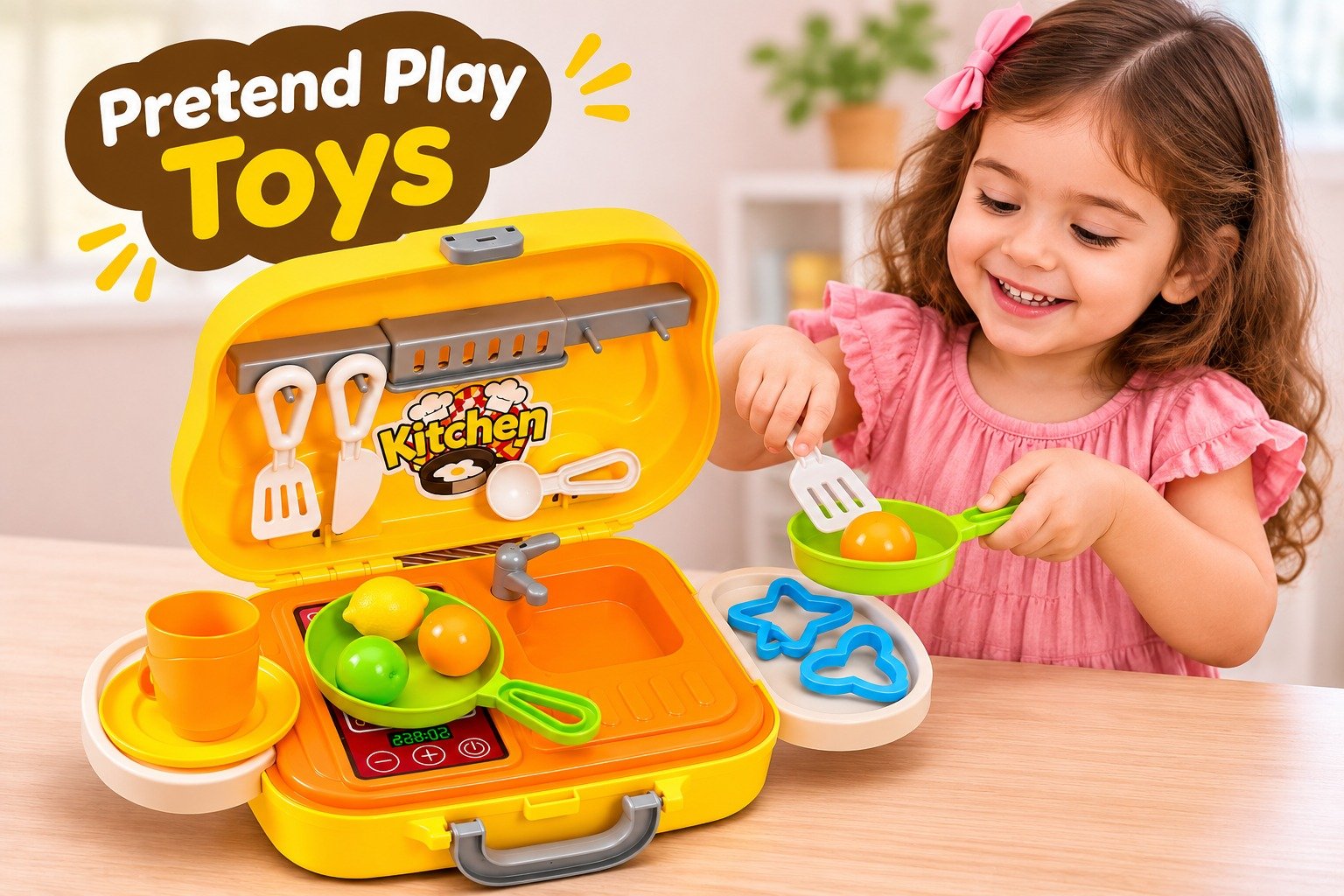
Pretend Play Toys: A Dad’s View of 6 Types for Young Kids
November 3, 2026
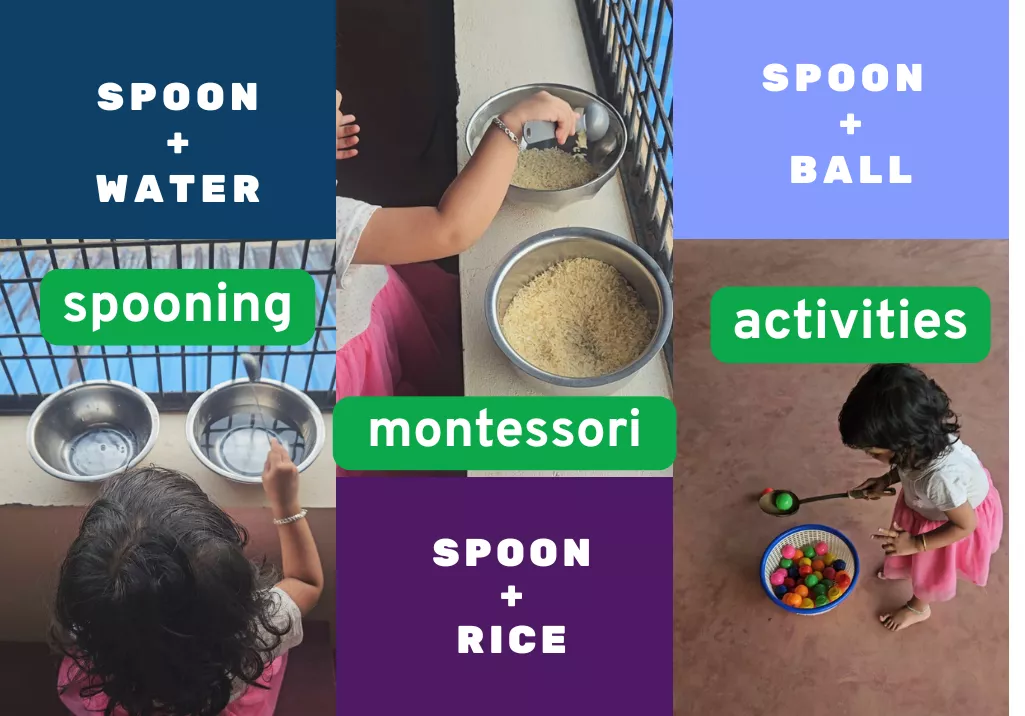
I Tried Rice, Water and Balls for Toddler Spoon Play at Home
October 29, 2026
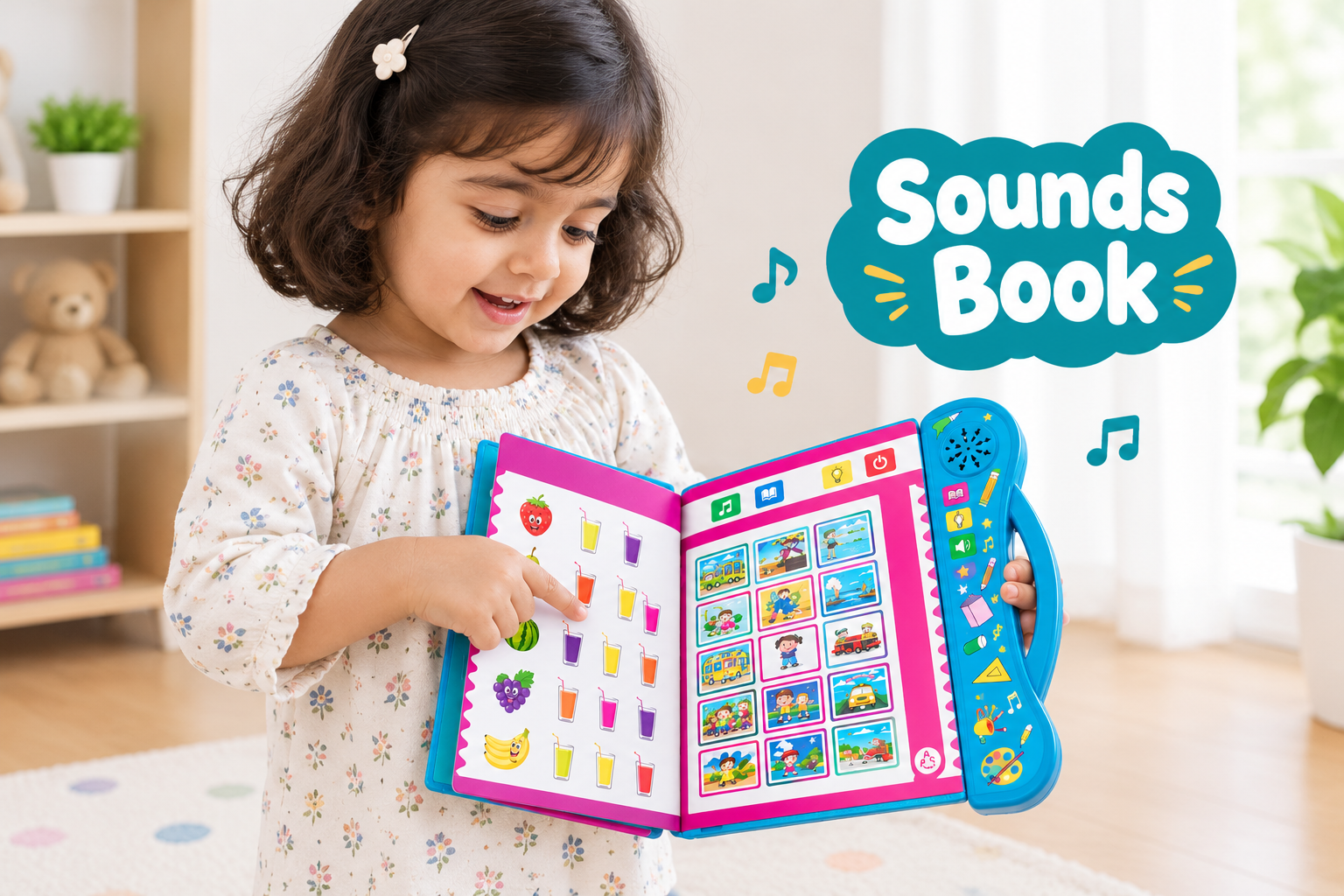
My 2-Year-Old Loved the Sounds, But These Books Were Too Much!
October 28, 2026
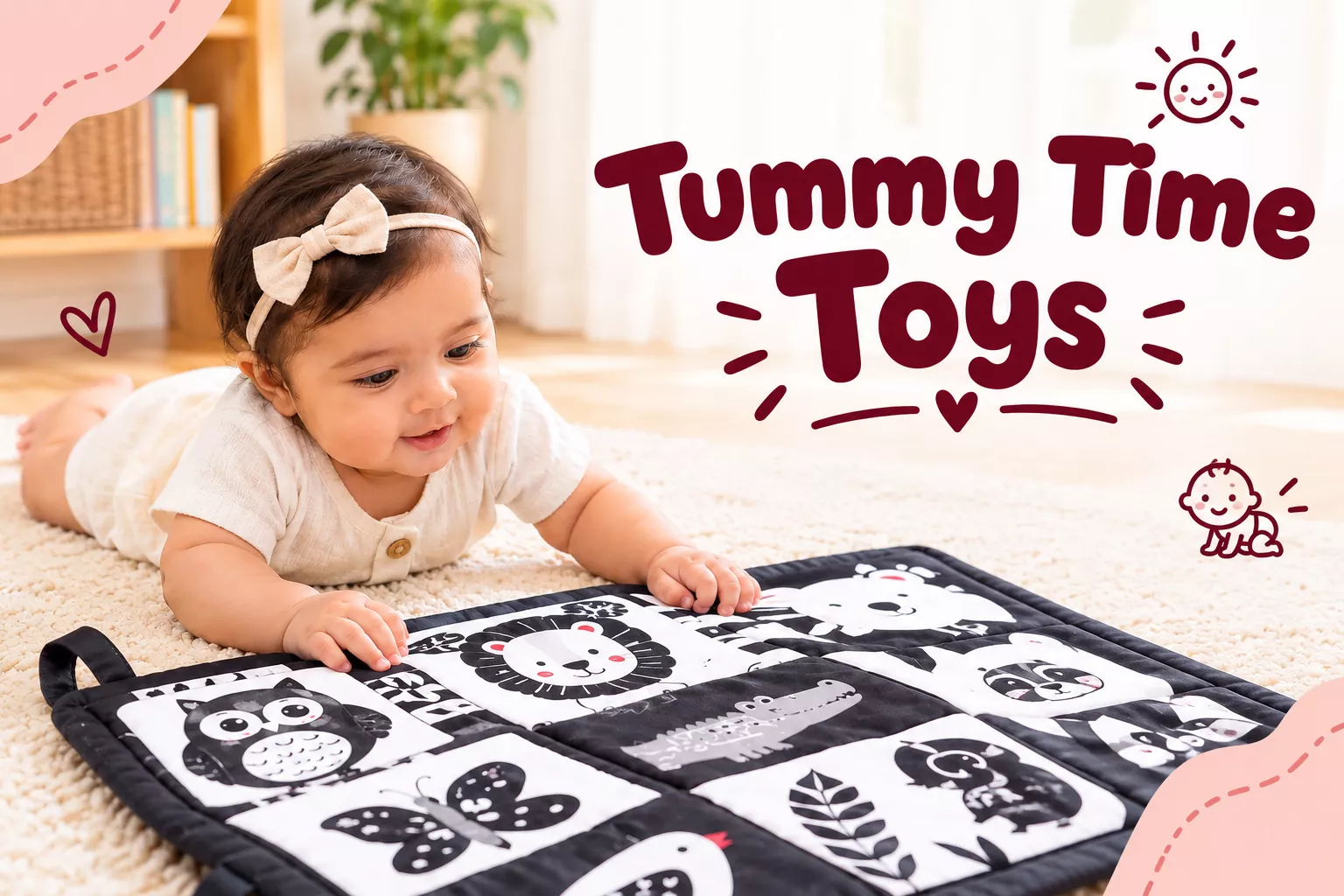
Tummy Time Toys: Mat, Cards or Piano Gym? Which Is Best?
October 24, 2026
Paper Tearing, Pouring and More: 6 Activities We Tried at Home
October 21, 2026
Categories