How to Prevent Stretch Marks in Pregnancy
Causes & Remedies
Understand the causes of pregnancy stretch marks, discover prevention tips, and explore safe ways to care for your skin during every stage of pregnancy.
Stretch marks in pregnancy are a common and natural part of your body’s changes as your baby grows. They usually appear due to rapid skin stretching, hormonal changes, genetics, and weight gain. While they cannot always be prevented, healthy eating, proper hydration, regular moisturising, and safe exercise may help reduce their appearance. With consistent care and time, most stretch marks gradually fade after pregnancy, becoming much less noticeable.
What Are Stretch Marks in Pregnancy, Exactly?
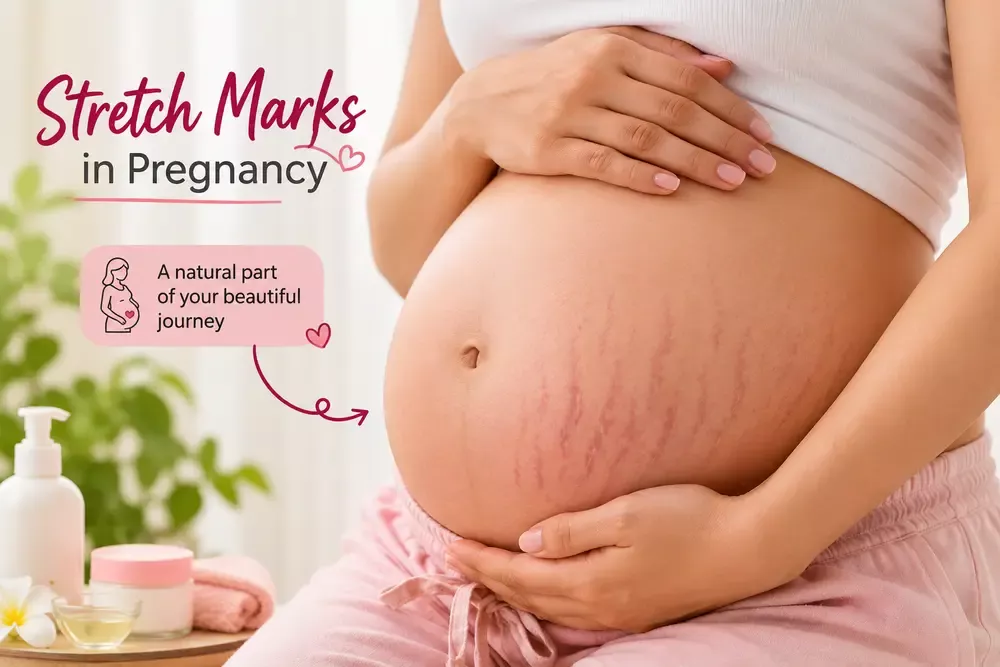
Stretch marks in pregnancy (medically called striae gravidarum) are narrow, streak-like lines that appear on the surface of the skin. They can appear pink, red, purple, or even brownish depending on your natural skin tone. In most cases, they show up on the belly, but they can also appear on the breasts, upper thighs, hips, and lower back.The first sign is often a mild itching or tightness in the skin before the marks become visible.This is because the skin is being stretched faster than it can comfortably accommodate. While stretch marks cannot always be prevented, proper skincare, hydration, and healthy weight management during pregnancy may help reduce their appearance
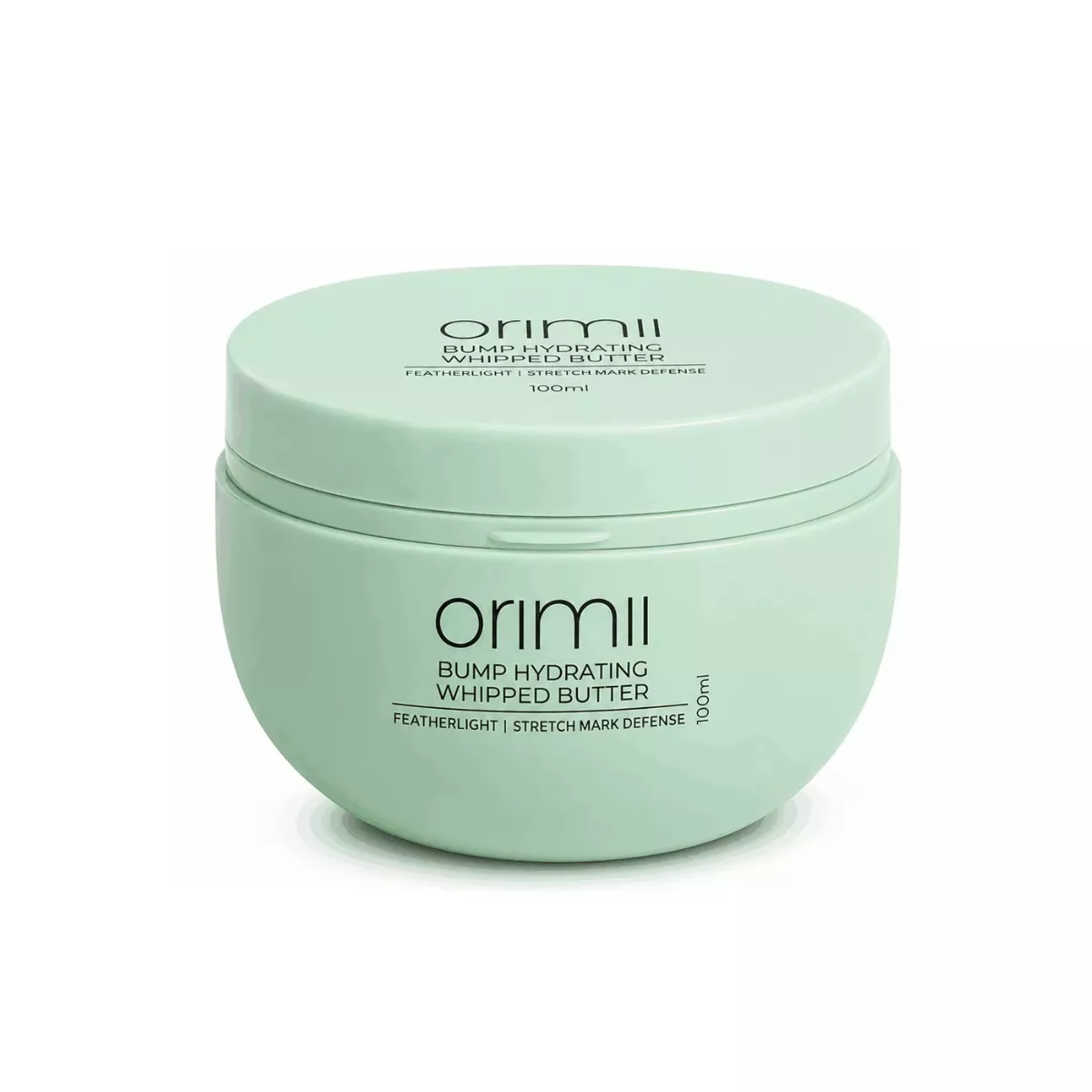
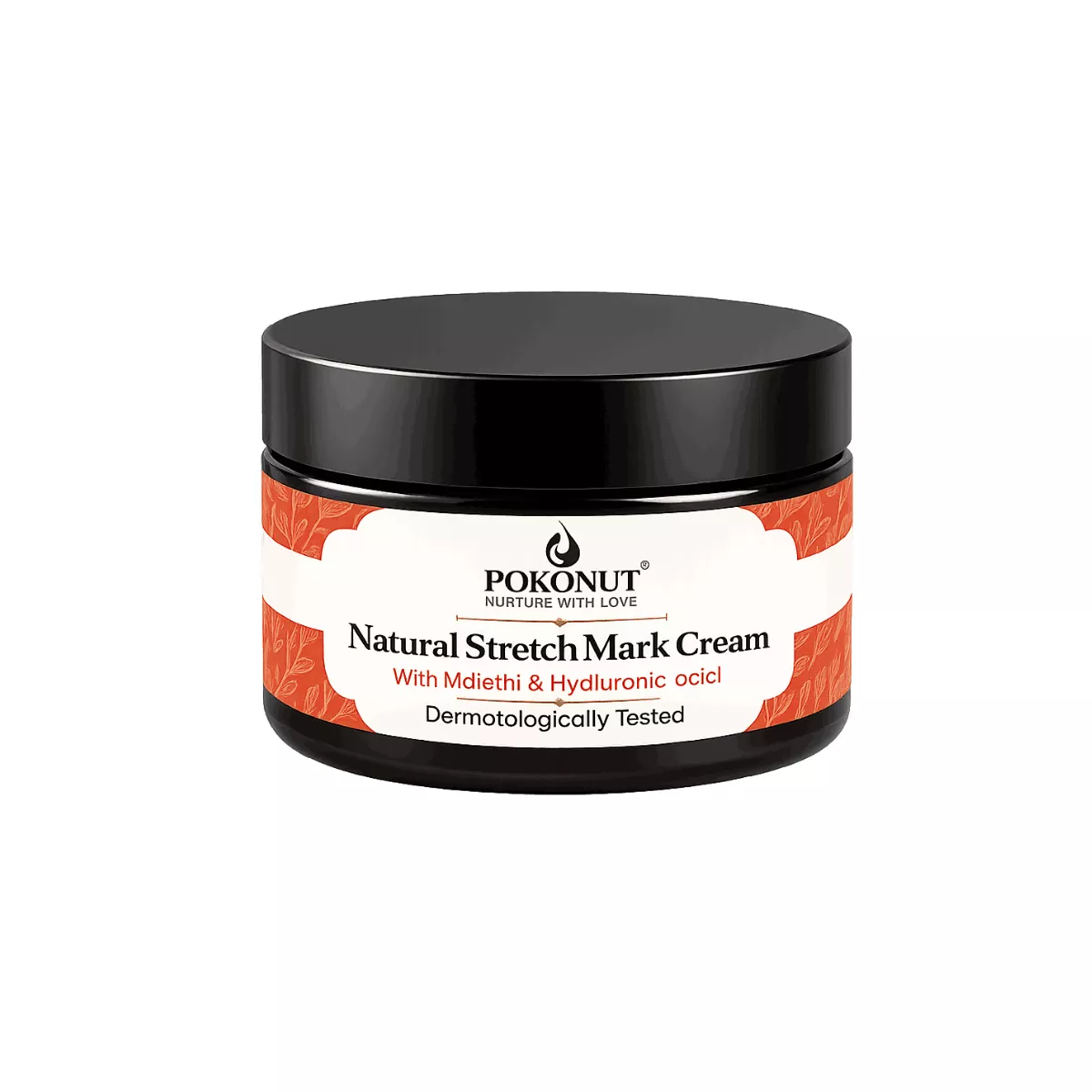
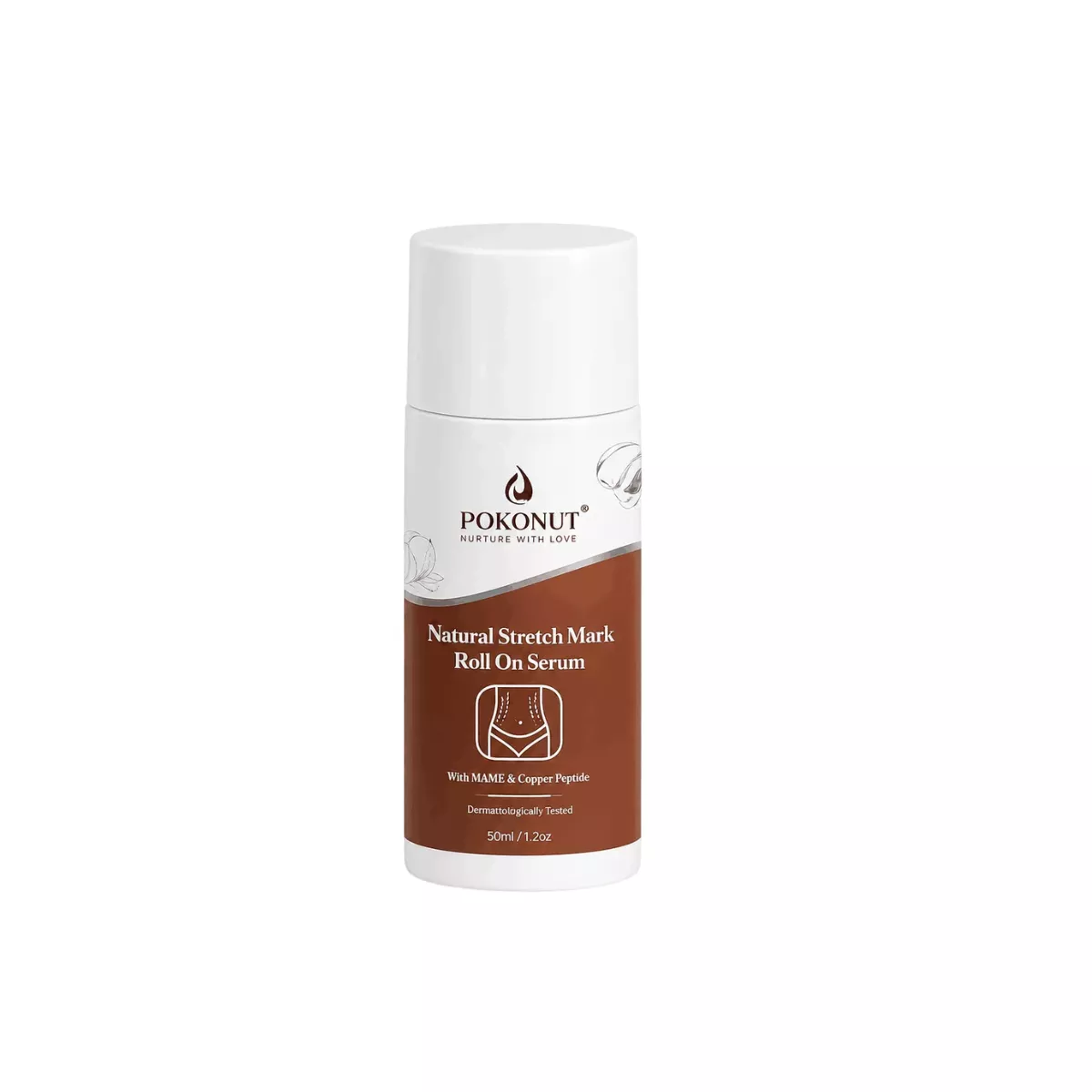
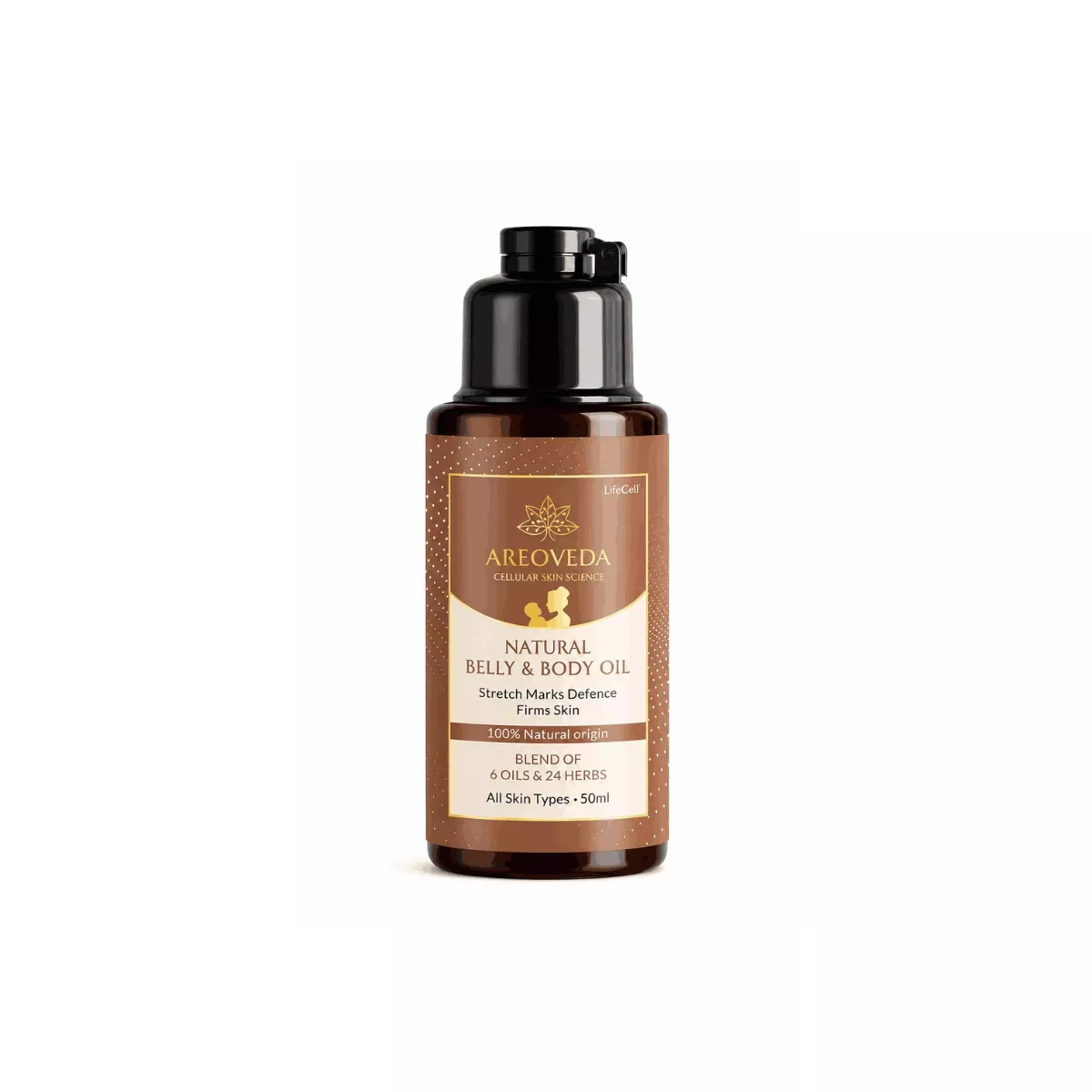
Four Essential Products for Pregnancy Stretch Mark Care
What Causes Pregnancy Stretch Marks?
Rapid Skin Stretching – As your baby grows, your belly expands quickly-sometimes faster than your skin’s collagen and elastin fibers can keep up with. This rapid stretching causes small tears in the middle layer of the skin (the dermis).
which appear as stretch marks on the surface.
Hormonal Changes – During pregnancy, hormone levels change significantly, especially cortisol. This can slow down the skin’s natural collagen production, which is important for keeping the skin firm and stretchy. As a result, the skin may lose some of its elasticity and become more likely to develop **stretch marks in pregnancy** compared to regular weight gain.
Genetics – If your mother or sister developed stretch marks during their pregnancies, there’s a higher chance you may too. Skin type and elasticity are largely inherited.
- Excess Weight Gain – Gaining more weight than the recommended range (typically 10 – 12.5 kg for an average pregnancy) puts additional pressure on the skin and increases the likelihood of stretch marks in pregnancy.
- Multiple Pregnancies or a Large Baby – Carrying twins, triplets, or a larger-than-average baby causes more skin stretching in a shorter time, making marks more likely.
During Which Trimester Do Stretch Marks Typically Start?
This is one of the most common questions Indian moms ask – and the honest answer is: it depends on your body.
First Trimester (Weeks 1–12): Most women do not develop visible stretch marks this early, as the baby is still very small. However, some women with sensitive or dry skin may start noticing faint lines near the breasts due to hormonal changes.
Second Trimester (Weeks 13–26) : Many expectant mothers begin to notice **stretch marks in pregnancy** during the second trimester, as the baby grows and the skin stretches more rapidly. These marks commonly appear on the abdomen, hips, and thighs. Starting a daily moisturising routine during this stage can help keep the skin hydrated and comfortable as it continues to expand.
Third Trimester (Weeks 27–40): The majority of stretch marks appear during the third trimester. Your belly is at its largest, skin is at maximum stretch, and the marks may look red or purple in colour. After delivery, they gradually fade to a lighter, silvery tone.
What Are the Symptoms of Stretch Marks?
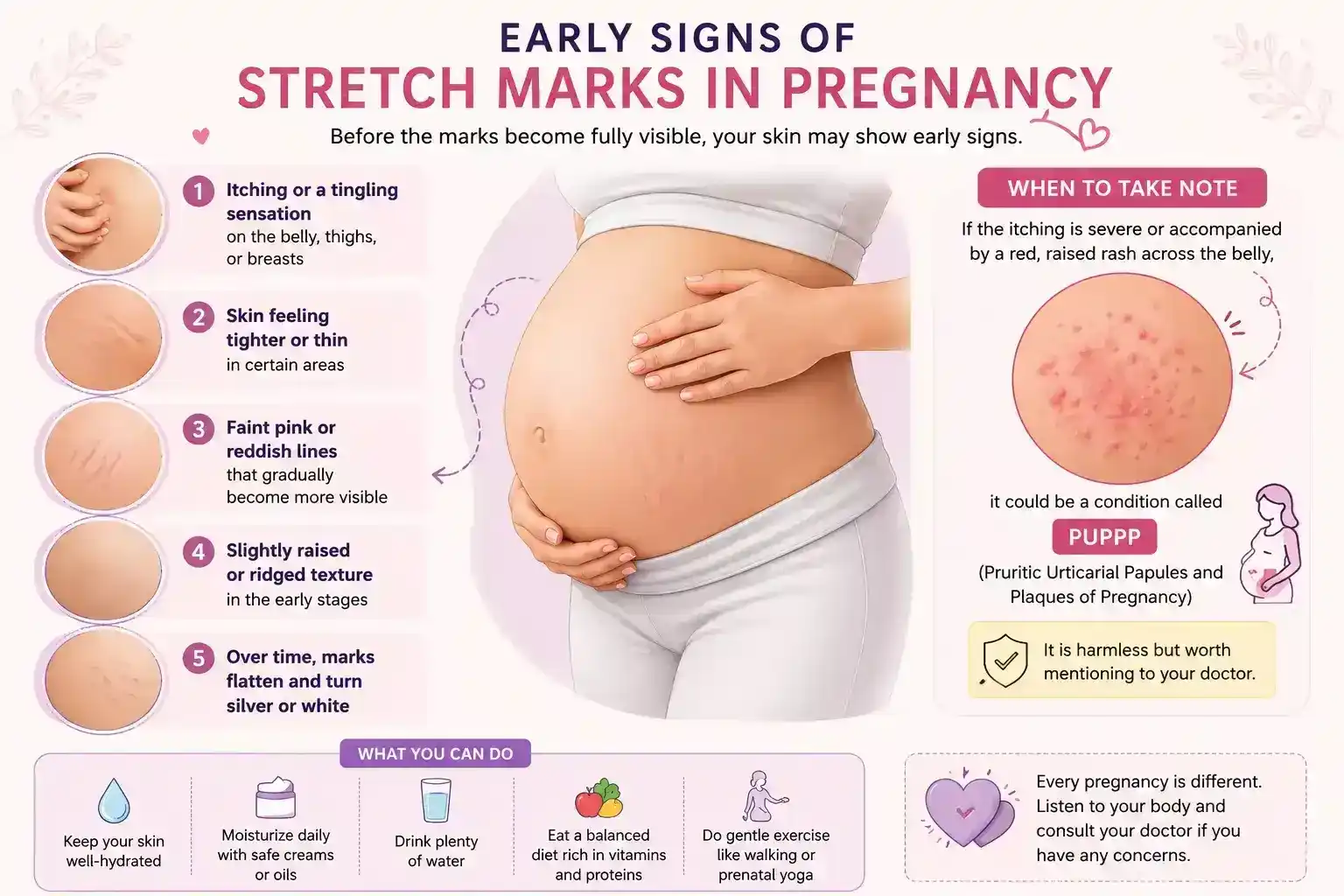
Before the marks become fully visible, your skin may show early signs:
- Itching or a tingling sensation on the belly, thighs, or breasts
- Skin feeling tighter or thin in certain areas
- Faint pink or reddish lines that gradually become more visible
- Slightly raised or ridged texture in the early stages
- Over time, marks flatten and turn silver or white
If the itching is severe or accompanied by a red, raised rash across the belly, it could be a condition called PUPPP (Pruritic Urticarial Papules and Plaques of Pregnancy) – which is harmless but worth mentioning to your doctor
Stretch Marks in Pregnancy, Itching, and Other Common Skin Changes
Pregnancy causes several skin changes beyond just stretch marks. Many moms experience:
Skin colour changes : A dark line called the linea nigra may appear running from the navel to the pubic bone. Dark patches on the face (melasma) are also common due to hormonal pigmentation.
General dryness and tightness: As skin stretches, it loses moisture faster, which worsens itching.
Red, raised rash : As mentioned above, PUPPP can cause a rash that starts around stretch marks and spreads. Always consult your doctor if a rash appears.
Can Coconut Oil Help Prevent Stretch Marks in Pregnancy?
This is a very popular question, especially among Indian moms who trust traditional remedies. The honest answer: Coconut oil alone cannot fully prevent stretch marks in pregnancy, but it genuinely helps keep the skin moisturized, supple, and less prone to tearing. Well-hydrated skin stretches more comfortably and tends to show fewer or lighter marks. Warm virgin coconut oil massaged gently into the belly, thighs, and hips daily – ideally from the second trimester – can: Reduce itching and drynes Improve skin elasticity temporarily Make existing marks lighter over time Combine it with other oils like almond oil or vitamin E oil for better results. Always do a patch test first if you have sensitive skin.
How to Prevent Stretch Marks in Pregnancy Naturally?
Effective Tips to Prevent Stretch Marks During Pregnancy While you cannot completely guarantee that you’ll avoid stretch marks in pregnancy (genetics plays a big role), these evidence-backed tips can significantly reduce their severity:
1. Maintain a Healthy Diet
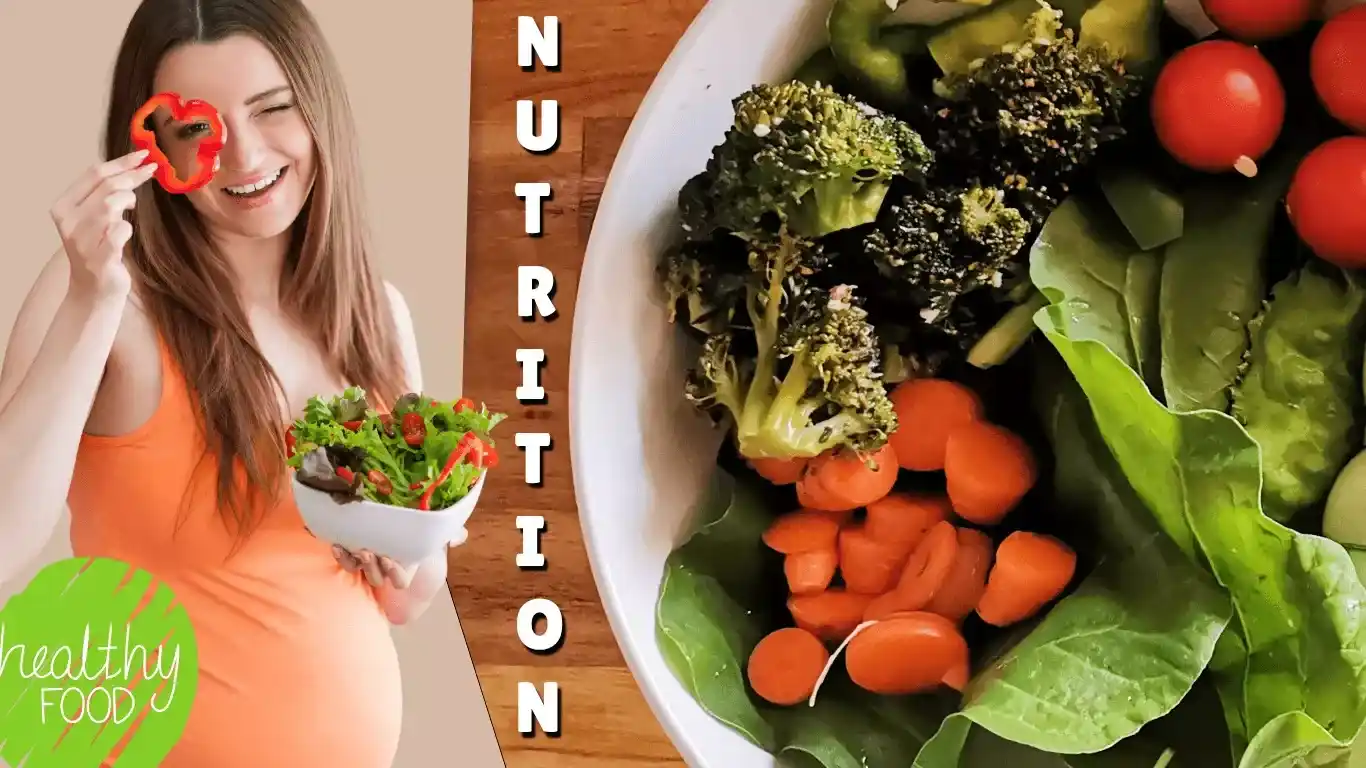
Eat foods rich in Vitamin C, Vitamin E, zinc, and protein – all of which support collagen production. Include fruits, nuts, eggs, dal, and leafy greens in your daily meals. A well-nourished skin resists tearing better.
2.Moisturising the Skin
Moisturising your skin every day can help keep it soft and supple as your body changes during pregnancy. Apply a nourishing cream or natural oil to areas such as the belly, hips, and thighs twice daily. Products containing hyaluronic acid, shea butter, centella asiatica, or cocoa butter may help improve skin hydration. For the best results, begin this skincare routine during the first or second trimester.
3.Drink Plenty of Water
Staying hydrated supports overall skin health and helps maintain its natural elasticity. Aim to drink 8–10 glasses of water each day, unless your healthcare provider recommends otherwise. Good hydration is a simple yet effective habit that may help support your skin as it stretches during pregnancy
4.Regular Exercise
Regular, pregnancy-safe physical activity can promote healthy blood circulation and support gradual, healthy weight gain. Gentle exercises such as walking, prenatal yoga, and swimming are popular choices for many expectant mothers. Always consult your doctor before starting or continuing an exercise routine during pregnancy to ensure it is safe for you and your baby.
5.Manage Weight Gain Gradually
Work with your doctor or nutritionist to gain weight at a steady, healthy pace. Sudden weight spikes increase the risk of stretch marks in pregnancy
What Are the Different Treatments for Stretch Marks in Pregnancy?
If marks have already appeared, there are several treatment options available – though results vary
Topical Creams and Oils: Products containing retinoids (Vitamin A), hyaluronic acid, or centella asiatica can improve the appearance of early-stage stretch marks. Note: retinoids should only be used after pregnancy and breastfeeding.
Laser Therapy :Fractional laser treatments stimulate collagen production and reduce the visibility of marks. Multiple sessions are typically needed.
Microneedling: Fine needles create micro-injuries that trigger the skin’s natural healing process, improving texture and colour of marks.
Chemical Peels:Mild peels can improve skin tone and texture around stretch marks over multiple sessions.
Microdermabrasion : A gentle exfoliation technique that improves surface-level appearance of lighter, older marks.
What Surgery Gets Rid of Stretch Marks?
For severe stretch marks on the lower abdomen, a tummy tuck (abdominoplasty) can physically remove the skin containing the marks. However, it is a major surgical procedure with significant recovery time and is generally considered only when other methods have failed and body contouring is also a goal. Always consult a certified dermatologist or plastic surgeon before considering any surgical route.
Can Women Get Rid of Stretch Marks After Pregnancy?
Complete removal is difficult, but significant fading is very achievable. Most stretch marks in pregnancy naturally fade from red/purple to silver or white within 6–12 months postpartum. With consistent care-moisturizing, healthy eating, and treatments if needed – they become much less noticeable over time.
Post-Pregnancy Care for Stretch Marks
Once your baby is born, your skin begins the healing process. Here’s what helps:
- Continue moisturising – Skin needs just as much care after delivery
- Introduce retinol-based creams – Safe to use after breastfeeding
- Stay active – Exercise helps firm the skin around the marks
- Consider professional treatments – Laser or microneedling for persistent marks
- Be patient – Skin recovery takes time; most marks fade beautifully within a year.
How Long Does Recovery Take?
Most stretch marks from pregnancy take 6 to 12 months to fade significantly on their own. With treatments, this timeline can be shortened. The colour changes first (from red/purple to white/silver), then the texture gradually smooths out.
CONCLUSION
Stretch marks in pregnancy are a common and natural part of the changes your body goes through as your baby grows. They are not a sign of poor health or inadequate skincare. Instead, they reflect how your skin adapts to support your growing baby and the remarkable changes that happen during pregnancy.
Take care of your skin, nourish your body, and embrace the journey. At ZaminoToys, we celebrate every stage of motherhood from pregnancy to your child’s first milestones. Explore our parenting resources, expert-backed tips, and thoughtfully chosen educational toys that support your child’s development every step of the way