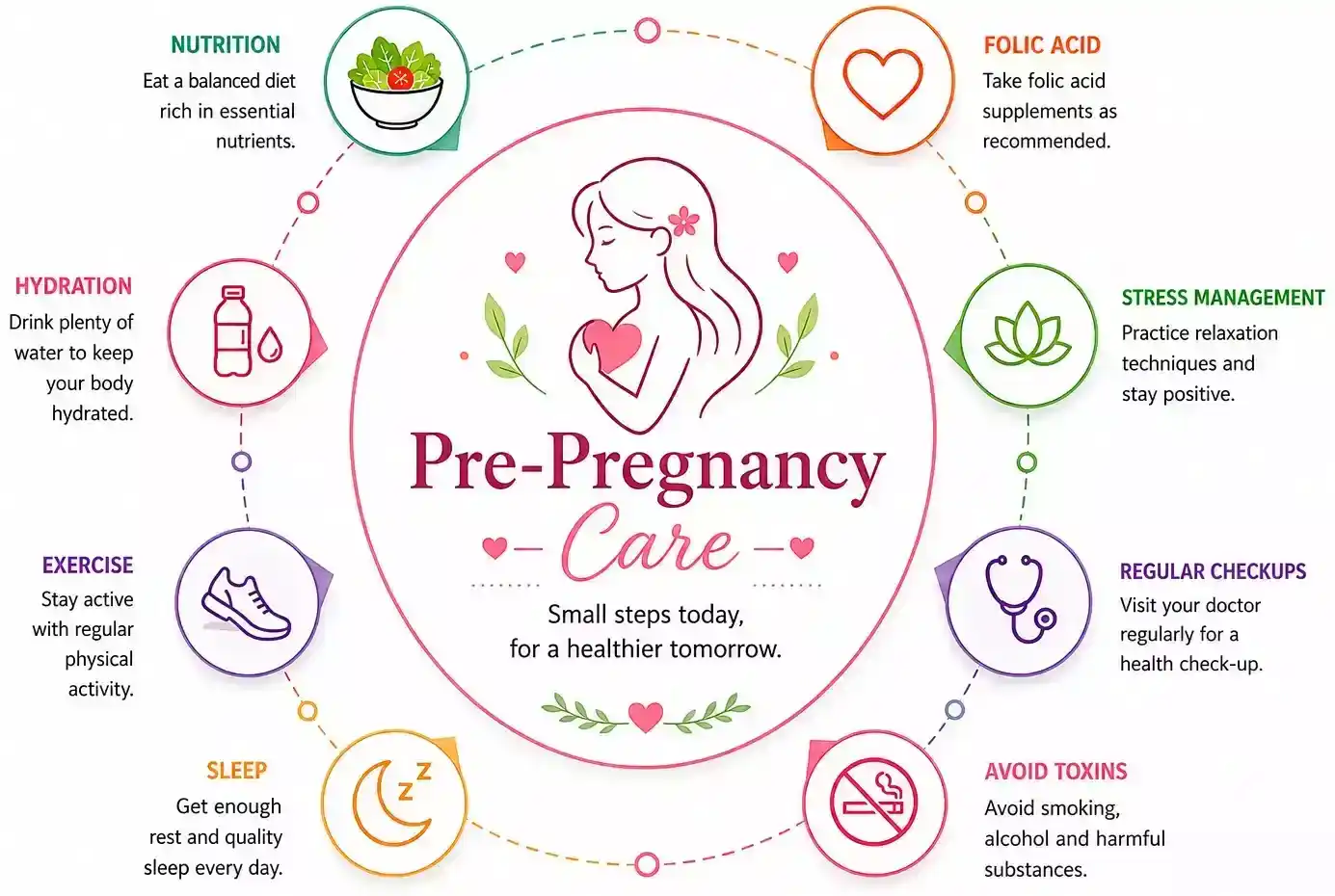
Every motherhood journey begins with a dream, a plan, and the excitement of welcoming a new life into the world. The Pre Pregnancy stage focuses on preparing the body and mind for a healthy pregnancy through proper nutrition, regular exercise, and healthy lifestyle choices. Once pregnancy begins, the Pregnancy stage becomes a beautiful experience filled with growth, development, and unforgettable milestones as parents eagerly await their baby’s arrival.
At ZaminoToys, we understand that the motherhood journey continues even after childbirth. The Post Pregnancy stage is all about recovery, adjusting to a new routine, and building a strong bond with your newborn. Each stage Pre Pregnancy, Pregnancy, and Post Pregnancy plays an important role in creating a healthy and joyful parenting experience, making every step of the journey meaningful and memorable.
The motherhood journey begins even before pregnancy starts. Pre-pregnancy is an important stage where future parents prepare physically, emotionally, and mentally for the arrival of a baby. During this period, maintaining a healthy lifestyle becomes a priority. A balanced diet, regular exercise, proper hydration, and essential nutrients such as folic acid can support reproductive health and prepare the body for pregnancy. Regular medical checkups also help identify and manage any health conditions that may affect conception or pregnancy. Understanding fertility and reproductive health is another important part of the motherhood journey. Learning about ovulation, tracking menstrual cycles, and recognizing the best time for conception can help couples plan more effectively. This stage is also a good opportunity to reduce unhealthy habits such as smoking, excessive caffeine intake, and alcohol consumption. By making positive lifestyle changes early, parents can improve their chances of a healthy pregnancy and support the baby’s future
development.Pre-pregnancy preparation is not only about physical health but also about creating a supportive environment for the growing family. Couples often use this time to discuss parenting goals, financial planning, and lifestyle adjustments that may be needed after the baby’s arrival. Gaining knowledge about pregnancy, childbirth, and newborn care can help reduce anxiety and increase confidence. A well-planned start to the motherhood journey allows parents to move into pregnancy feeling informed, prepared, and excited for the beautiful experiences ahead.
Track Your Pregnancy Journey
A Pregnancy Calculator helps expecting parents estimate important pregnancy milestones using the first day of the last menstrual period (LMP). It provides an estimated due date, tracks the current week of pregnancy, and helps parents understand their baby’s growth timeline. While the results are approximate and may vary slightly from actual delivery dates, this tool offers a simple and convenient way to follow your pregnancy journey and stay informed throughout each stage of motherhood.
The Three Stages of Pregnancy
T1
First trimester
Morning sickness, first scan, folic acid, dos and don'ts
Hospital bag, birth plan, labour signs, C-section prep
The motherhood journey is divided into three important stages called trimesters, and each one brings unique experiences for both mother and baby. The First Trimester (T1) marks the beginning of pregnancy, when the baby’s major organs start developing and mothers may experience symptoms such as morning sickness, fatigue, and emotional changes. The Second Trimester (T2) is often considered the most comfortable stage, as energy levels improve and parents may feel the baby’s first movements while enjoying important milestones such as the anomaly scan. As the motherhood journey continues, the Third Trimester (T3) focuses on preparing for birth and welcoming the baby into the world. During this stage, the baby grows rapidly, and parents begin making final preparations, including hospital plans and newborn essentials. Understanding each trimester helps parents feel more confident, informed, and prepared for every step of pregnancy, making the experience more enjoyable and memorable for the entire family
Welcoming Your New Chapter
The post-pregnancy period is a time of recovery, adjustment, and discovering the joys of life with a newborn. After childbirth, mothers go through physical and emotional changes as they adapt to their new role. Proper rest, balanced nutrition, regular health checkups, and support from family members play an important role in helping mothers recover and regain their strength. This stage is not only about healing but also about building confidence and settling into a new daily routine. As parents care for their newborn, every day brings new experiences and memorable moments. Feeding, diaper changes, sleep schedules, and regular baby checkups become part of everyday life. While these responsibilities can feel challenging at times, they also create a strong bond between parents and their baby. Watching a newborn grow, respond to familiar voices, and reach early milestones makes this stage one of the most rewarding parts of the motherhood journey. The postpartum period is also an opportunity for mothers to focus on their emotional well-being. It is normal to experience mood changes while adjusting to a new lifestyle and caring for a baby. Taking time for self-care, seeking support when needed, and maintaining open communication with loved ones can make this transition smoother. With patience, care, and support, families can embrace this new chapter and continue their motherhood journey with confidence and joy.
From Pregnancy to Parenthood 🤍
Get expert parenting advice, baby care tips, and support for every new parent.
Pregnancy has 3 trimesters, each marking different stages of baby growth and body changes.
What are the first signs of pregnancy?
Common early signs include missed periods, nausea, tiredness, and breast tenderness.
When can you feel the baby move?
Most mothers start feeling baby movements between 18–25 weeks.
How long does pregnancy last?
A full-term pregnancy usually lasts around 40 weeks.
What foods should be avoided during pregnancy?
Avoid alcohol, raw seafood, unpasteurized dairy, and undercooked meat during pregnancy.
How often should I visit a doctor during pregnancy?
Regular prenatal checkups are important throughout pregnancy to monitor the health of both mother and baby.
How is the due date calculated?
The estimated due date is usually calculated based on the first day of the last menstrual period (LMP).
What is the best time to start preparing for pregnancy?
It is ideal to start preparing for pregnancy at least three to six months before trying to conceive. This allows time to improve overall health, adopt healthy habits, and consult a healthcare provider.
What are the biggest challenges for first-time mothers?
Common challenges include sleep deprivation, breastfeeding concerns, postpartum recovery, and adjusting to a new routine.
How do I know if my baby is growing normally?
Regular prenatal checkups, ultrasounds, and monitoring baby movements help track healthy growth.