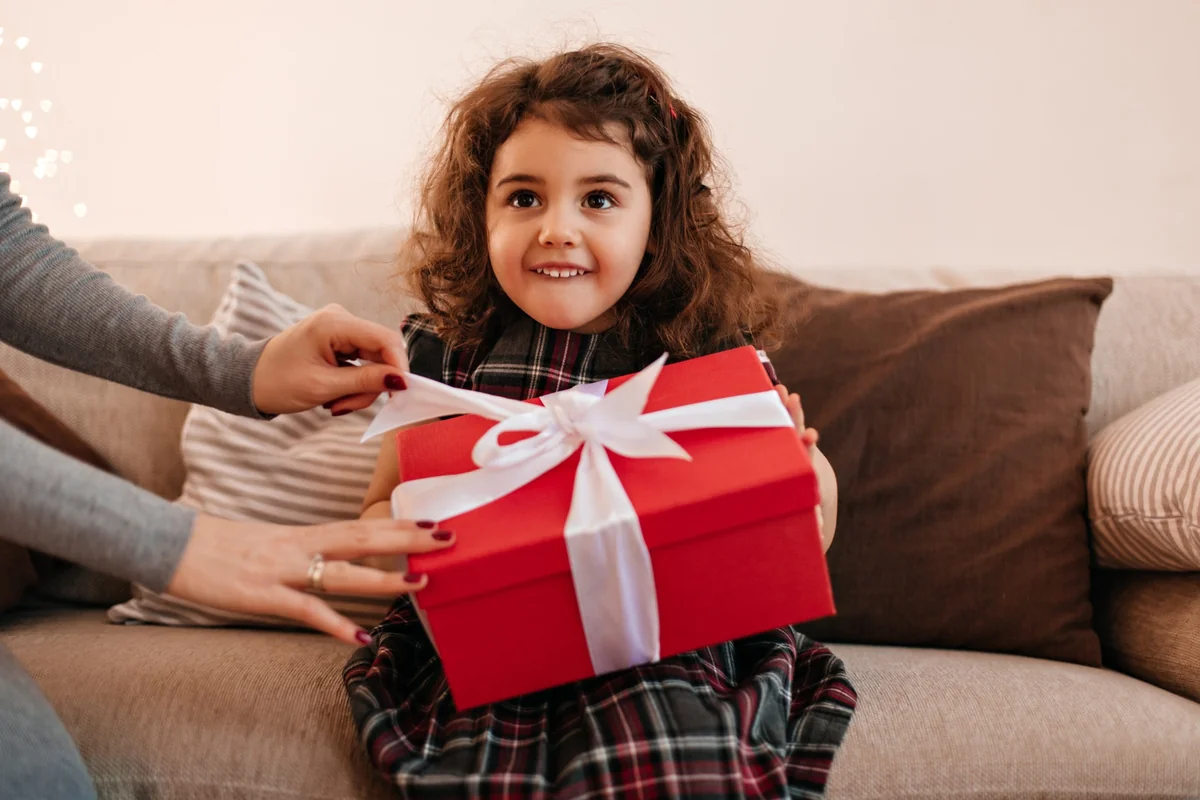
You are standing in a toy aisle or scrolling through a hundred tabs at midnight, trying to pick something for a child who already has more toys than shelf space. It is one of the most common moments in parenting—and also one of the most confusing, because half the packaging promises something big and the other half just looks shiny.
At ZaminoToys, this is the exact question we try to answer for every age group: not “what looks impressive,” but “what will this child actually use.” Useful gifts for childrens don’t need to be expensive or elaborate. They need to fit the child’s age, hold up to real play, and be safe enough that you’re not double-checking every five minutes.
This guide breaks things down by age—newborn to one year, one to two years, two to three years, and three to four years—so you can pick something that actually matches where your child is right now, not where the packaging assumes they are.
How Useful Toys Support Everyday Learning
A gift that looks exciting in a store can lose its appeal within a day. A gift that fits naturally into how a child already plays tends to get picked up again and again. That’s really the only test worth applying: will this still be touched in three weeks, or will it end up under the bed?
Useful doesn’t mean boring, either. A well-made set of blocks, a sturdy board book, or a simple pretend-play item can be just as exciting as something flashy—the difference is that it keeps being exciting after the first afternoon.
Daily Usefulness: Gifts That Actually Get Picked Up Again
Before buying anything, it helps to ask one simple question: will this child actually reach for it tomorrow, not just today?
Gifts that fit naturally into play tend to get used far more than something meant for a single occasion. A soft board book, a set of crayons pulled out most afternoons, or building blocks that can be used in different ways—these are things a young child may return to again and again, not just on the day they unwrap them.
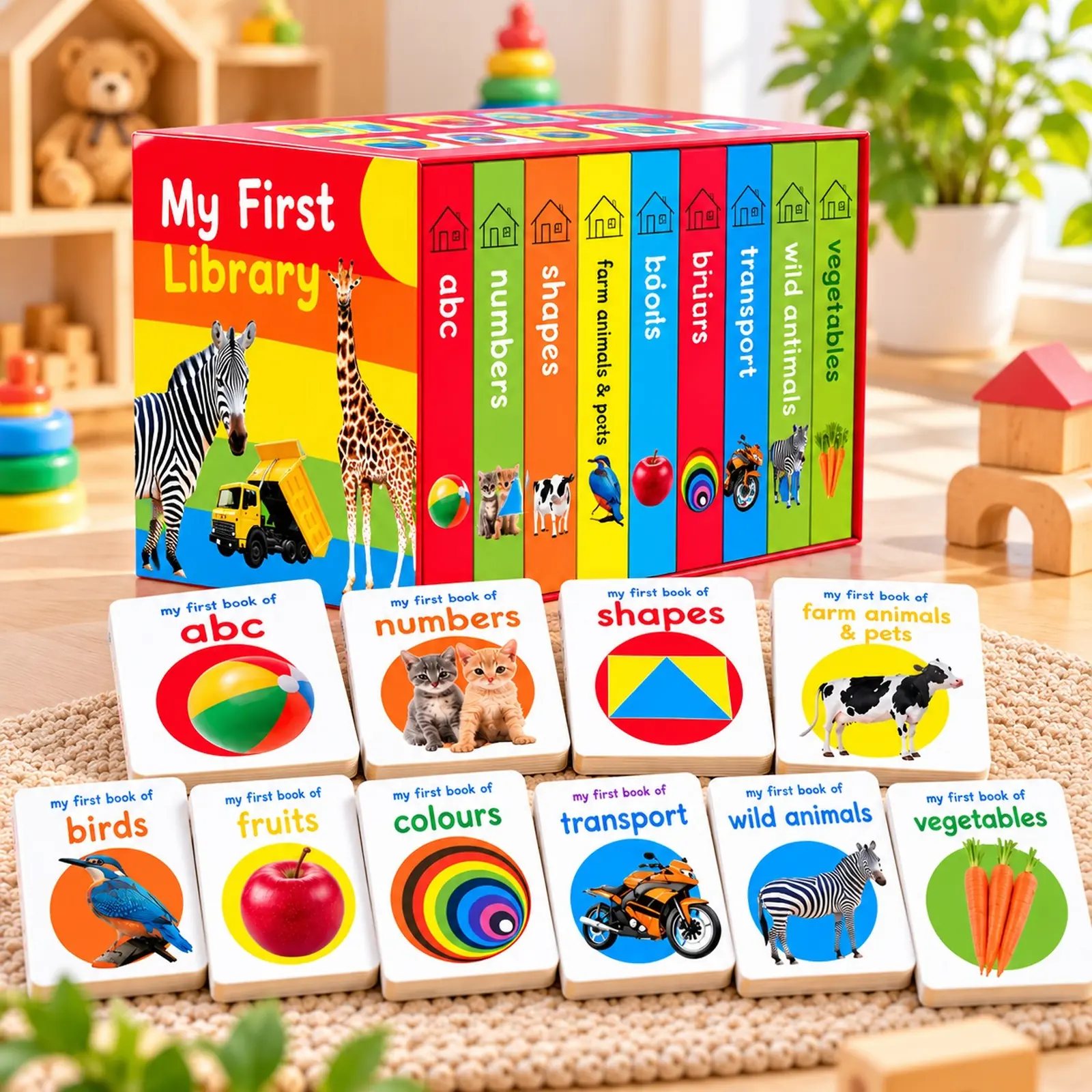
A soft board book with simple pictures or textures
A set of age-appropriate crayons and drawing paper
A simple building or stacking toy
An open-ended toy that can be used in different ways
None of these need to be elaborate. The ones that last are usually the ones that quietly become part of an ordinary day.
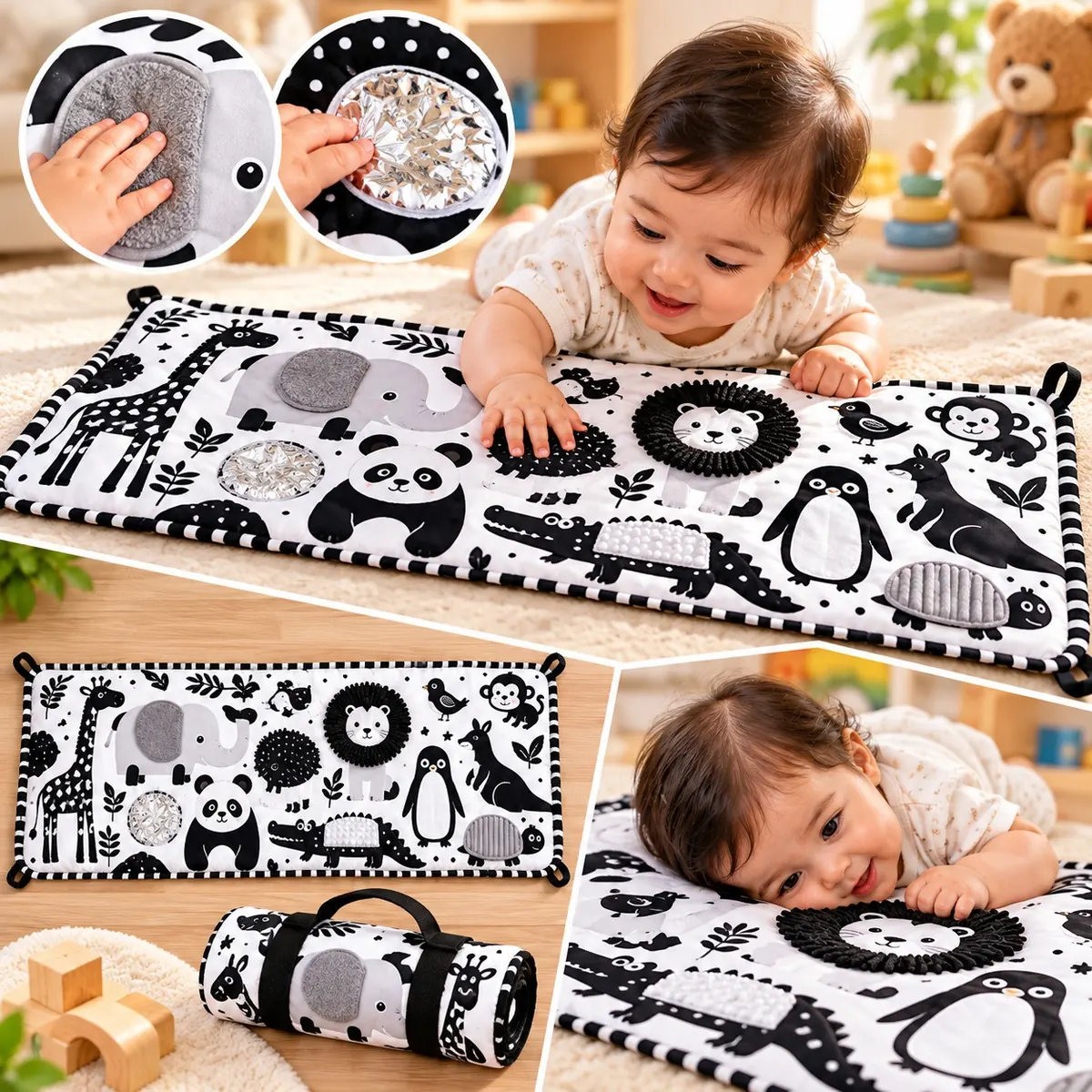
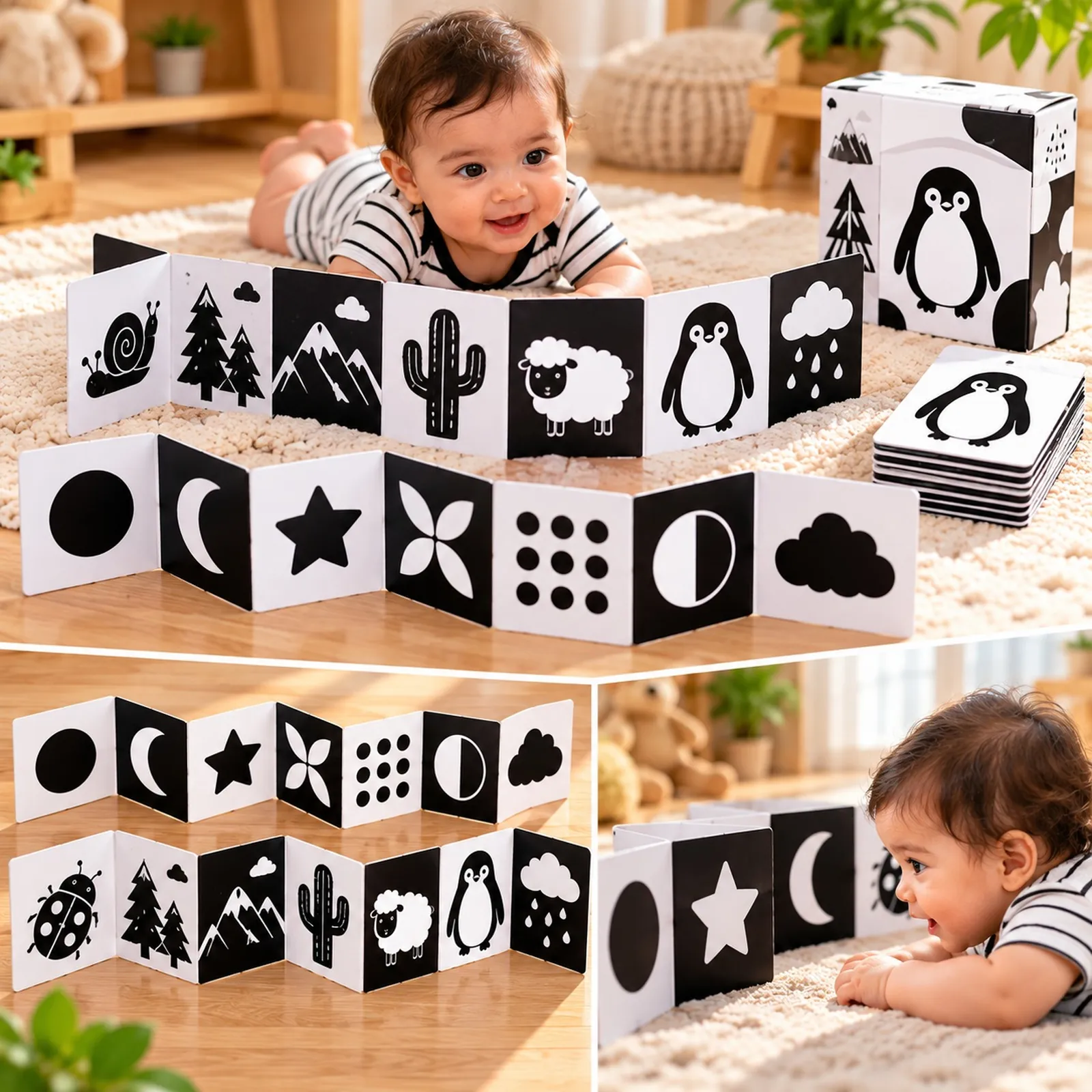
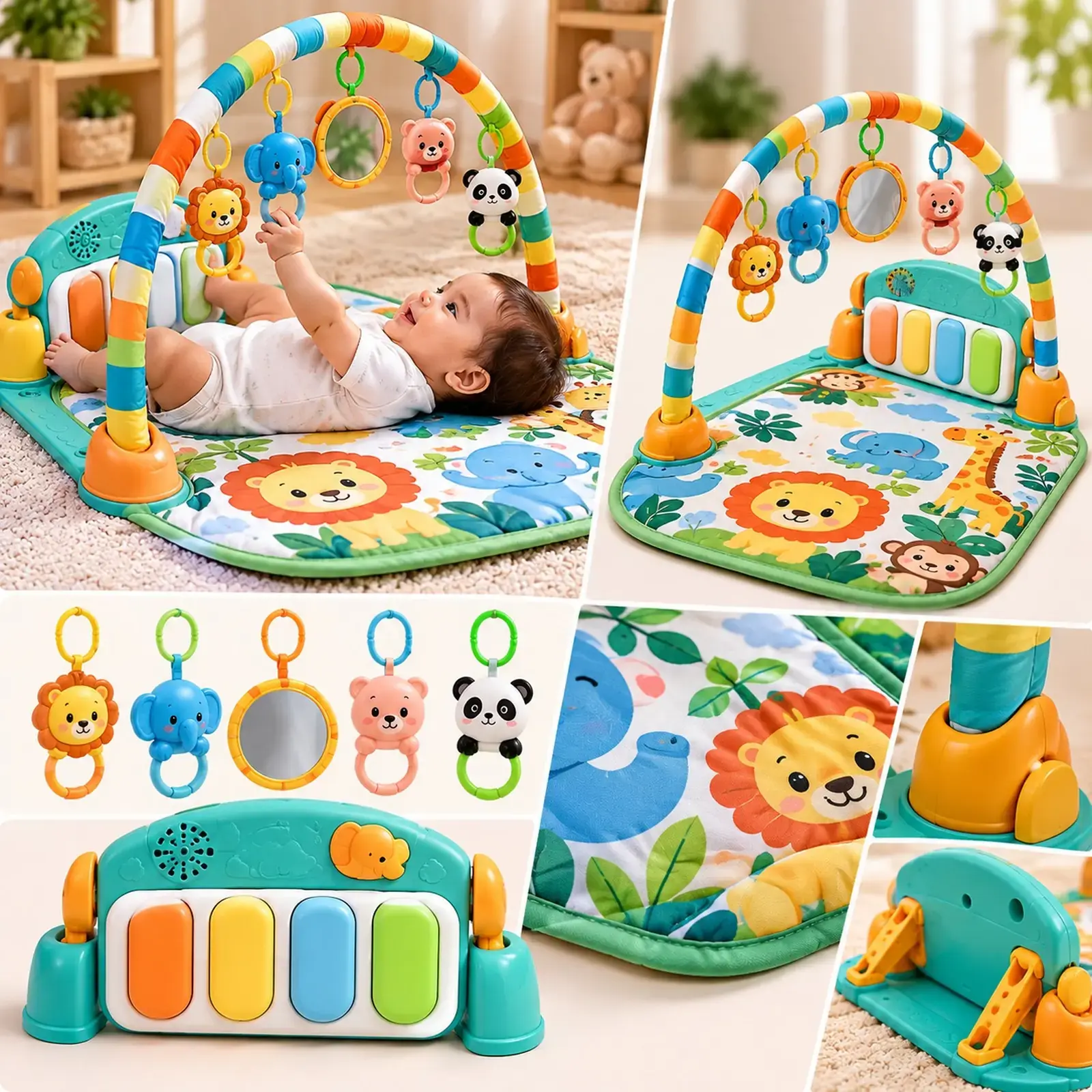
0 to 12 Months: Simple, Sensory, and Safe
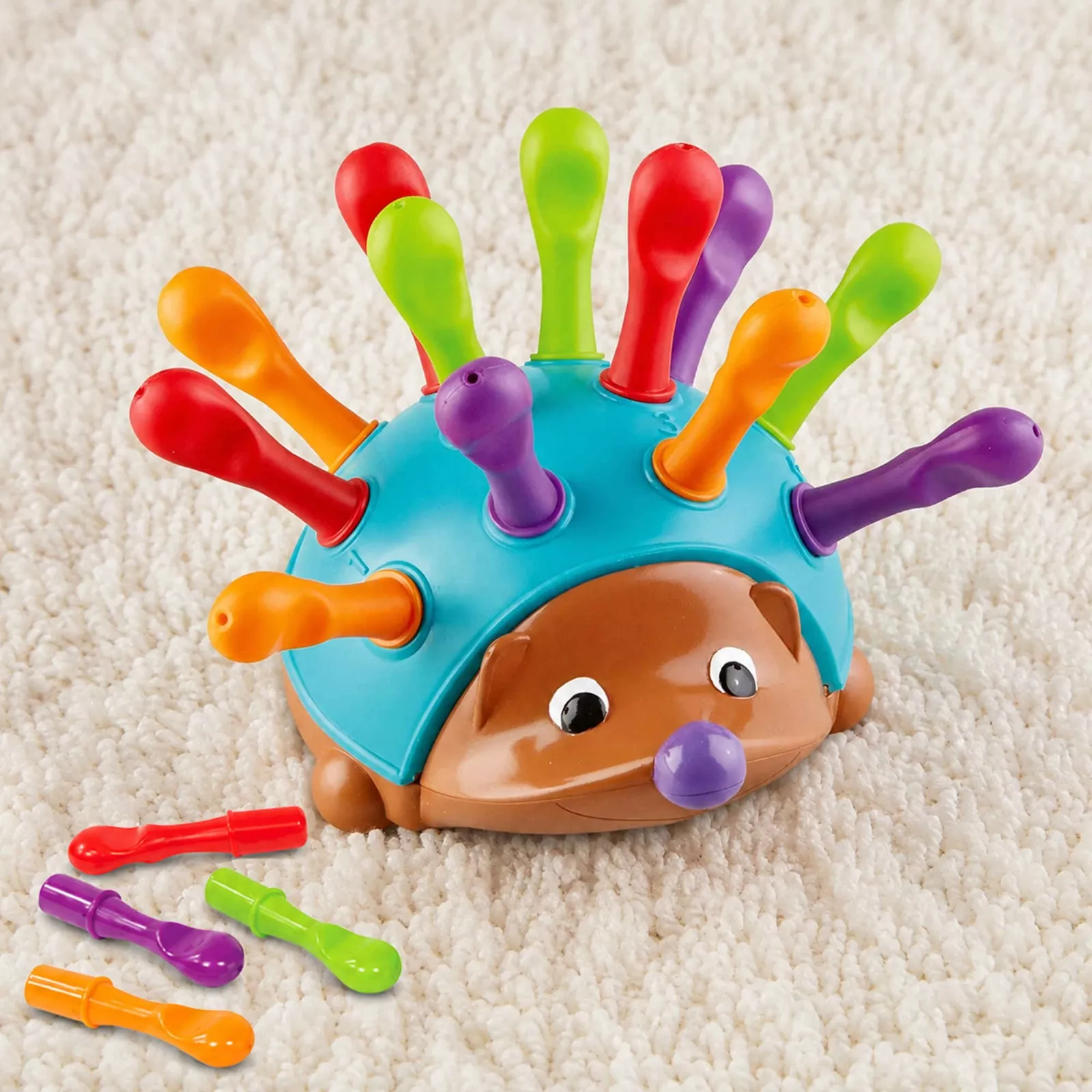
Babies in this stage are mostly exploring with their hands, eyes, and mouths. Gifts that involve different textures, sounds, and safe things to grip tend to get more attention than anything complicated.
Ideas worth considering:
Soft cloth books with bold patterns or textures
Rattles or grippy toys sized for small hands
Textured balls or soft blocks
A simple play mat with hanging elements they can bat at or reach for
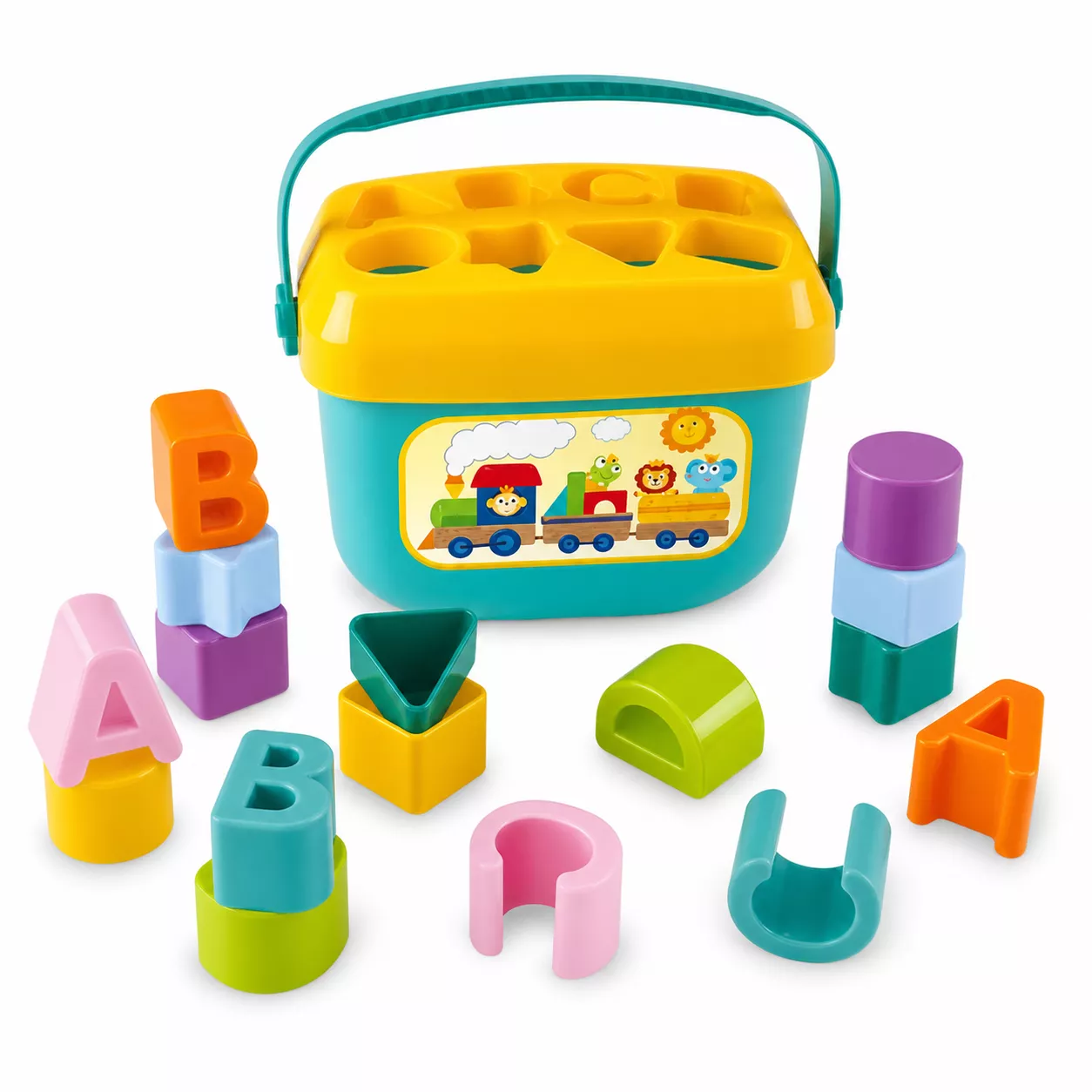
Children at this stage may enjoy repeating the same action over and over—stacking and knocking down, opening and closing, or putting things in and taking them out. That’s not a flaw in the toy; it’s usually just how a child this age plays, and a gift that supports that repetition tends to get more use than one that only works one way.
2 to 3 Years: Pretend Play and Early Choices
Around two, pretend play often starts showing up—feeding a doll, “cooking” in a toy kitchen, lining up cars. Gifts that support imagination, without requiring exact instructions, tend to work well here.
Ideas worth considering:
A simple pretend-play set (kitchen items, doctor kit, tea set)
Chunky puzzles with 4 to 12 pieces
Crayons or chunky washable markers with large paper
A ride-on toy or balance bike, depending on the child's comfort with movement
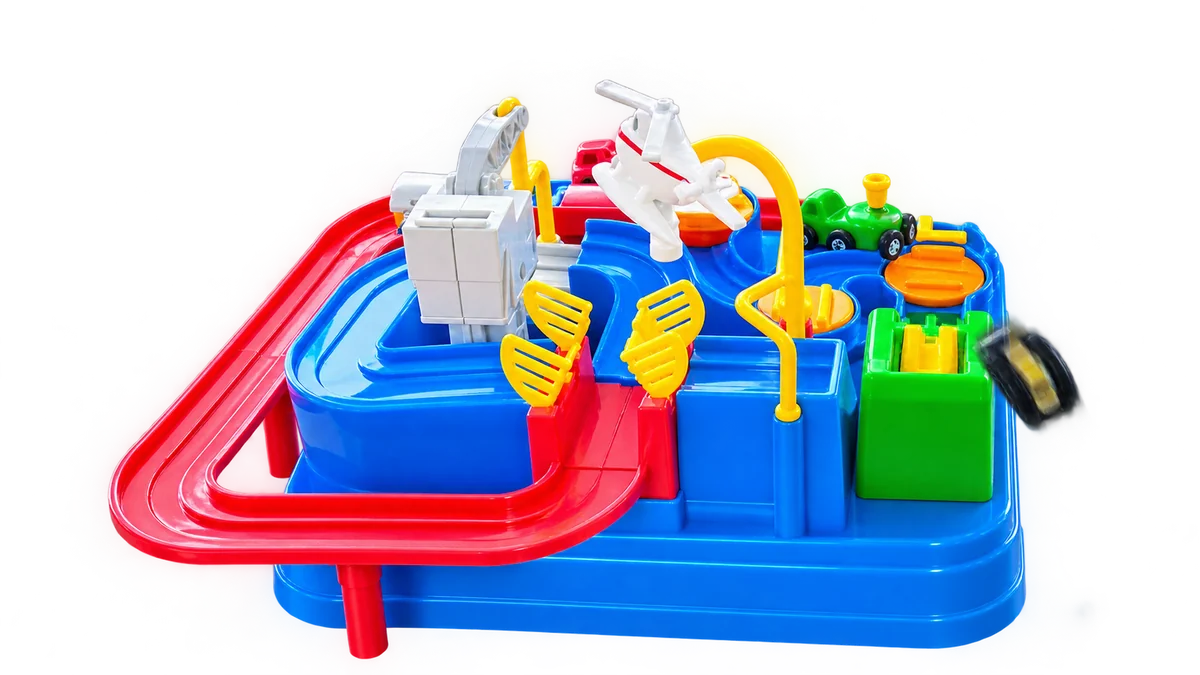
At this stage, open-ended toys—things that can be used in more than one way—often last longer in a child’s rotation than toys with only one function, simply because the child can keep inventing new ways to play with them.
3 to 4 Years: Building, Stories, and Early Independence
This is also a good age to involve the child in choosing between two or three gift options, if that’s practical. A gift a child had some say in tends to get more attention than one chosen entirely without them.
Checking for Safety, Whatever the Age
Age suitability on the box is a starting point, not a guarantee. A few practical things worth checking before you buy, regardless of the child’s age:
Small parts—Avoid toys with small detachable parts that may be unsafe for young children. Check the toy's age label and safety instructions before use.
Material and finish—Check the manufacturer's material and safety information, and look for smooth edges and securely attached parts.
Battery compartments —should be secured with a screw, not a simple flip-open panel, especially for anything with small button batteries.
Wear over time —check periodically for cracks, loose stitching, or parts coming apart, especially with well-loved toys.
Recalls —a quick search for the product name and "recall" takes a minute and can save a real problem later.
None of this requires expert knowledge. It just takes a minute of attention before wrapping the gift.
Sometimes the Simplest Gift Is Enough
Not every gift needs to come from a store. A cardboard box, a set of measuring cups, or an afternoon spent building a blanket fort can hold a young child’s attention just as well as anything wrapped in paper—sometimes better. If you’re looking for something low-cost or low-clutter, it’s worth considering a simple household item or a shared activity alongside, or instead of, a purchased toy. For some families, a simple household activity may be the more useful choice.
Frequently Asked Questions
Are books a good gift for children aged 0 to 4?
Yes. Books can work across the whole 0–4 age range, although the type of book will change as the child grows. Babies may enjoy bold pictures and textures, toddlers often like repetition and familiar characters, while older preschoolers may be ready for longer stories. A book that becomes part of bedtime can end up being used far more than many toys.
Are educational toys really worth buying?
They can be, but the word "educational" on the packaging isn't what makes a toy useful. Blocks can encourage building and problem-solving, puzzles can involve matching and thinking, and pretend play can bring plenty of conversation and imagination into the day. A toy becomes more useful when a child actually wants to pick it up and play with it.
What should I buy for a 3- or 4-year-old?
At three and four, children are often ready for more involved play. Building sets, simple board games, craft supplies, dress-up clothes, puzzles, and picture books with longer stories can all be useful. If you know what the child is currently interested in, start there rather than choosing a gift just because it says "educational" on the box.
CONCLUSION
A useful gift for a young child doesn’t have to be expensive or impressive. It should suit the child’s age, interests, and everyday way of playing. What matters is whether the child enjoys using it, comes back to it, and can play with it comfortably. That’s really what useful gifts for childrens come down to. Start with the age, check the basics, and the rest tends to fall into place on its own.





Comments are closed.