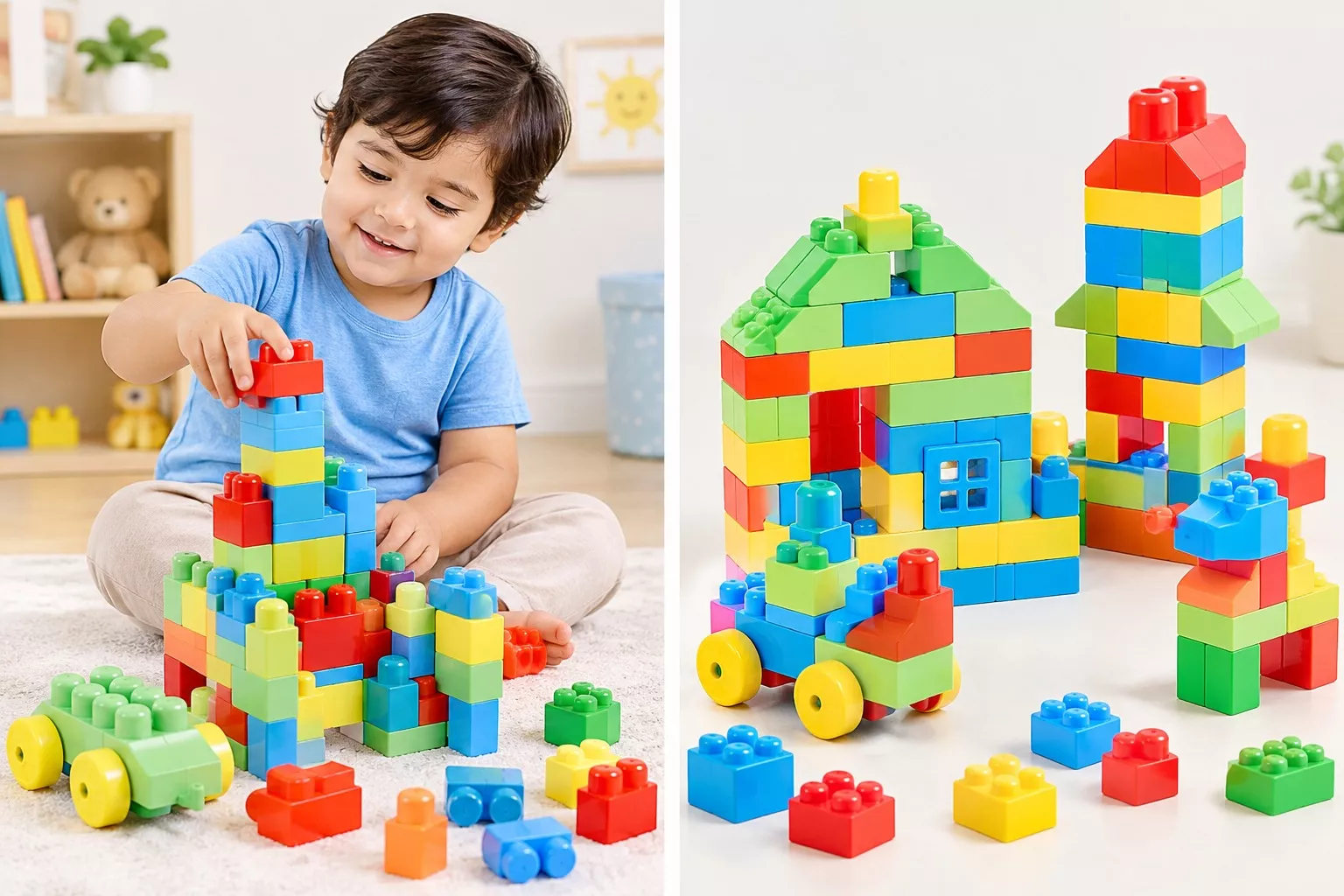
Childrens Building Blocks for Creative Fun Play
I’ve moved house three times since covering toys for this site, and somewhere around the second move, I started sorting toys into two piles—keep and donate. The childrens building blocks never once landed in the donate pile. Everything else got questioned. Not these.
What makes a good set of childrens building blocks
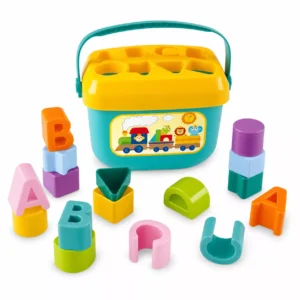
Not all blocks are built the same, even though they look similar in photos. The ones that have lasted through testing are made from thick, rounded plastic or wood, heavy enough to stack without wobbling but light enough for a two-year-old to lift without help. Cheaper sets tend to have sharp edges or thin walls that crack after a few drops. The set I tested has been dropped more times than I can count, including off the second step of a staircase, and it’s still intact.
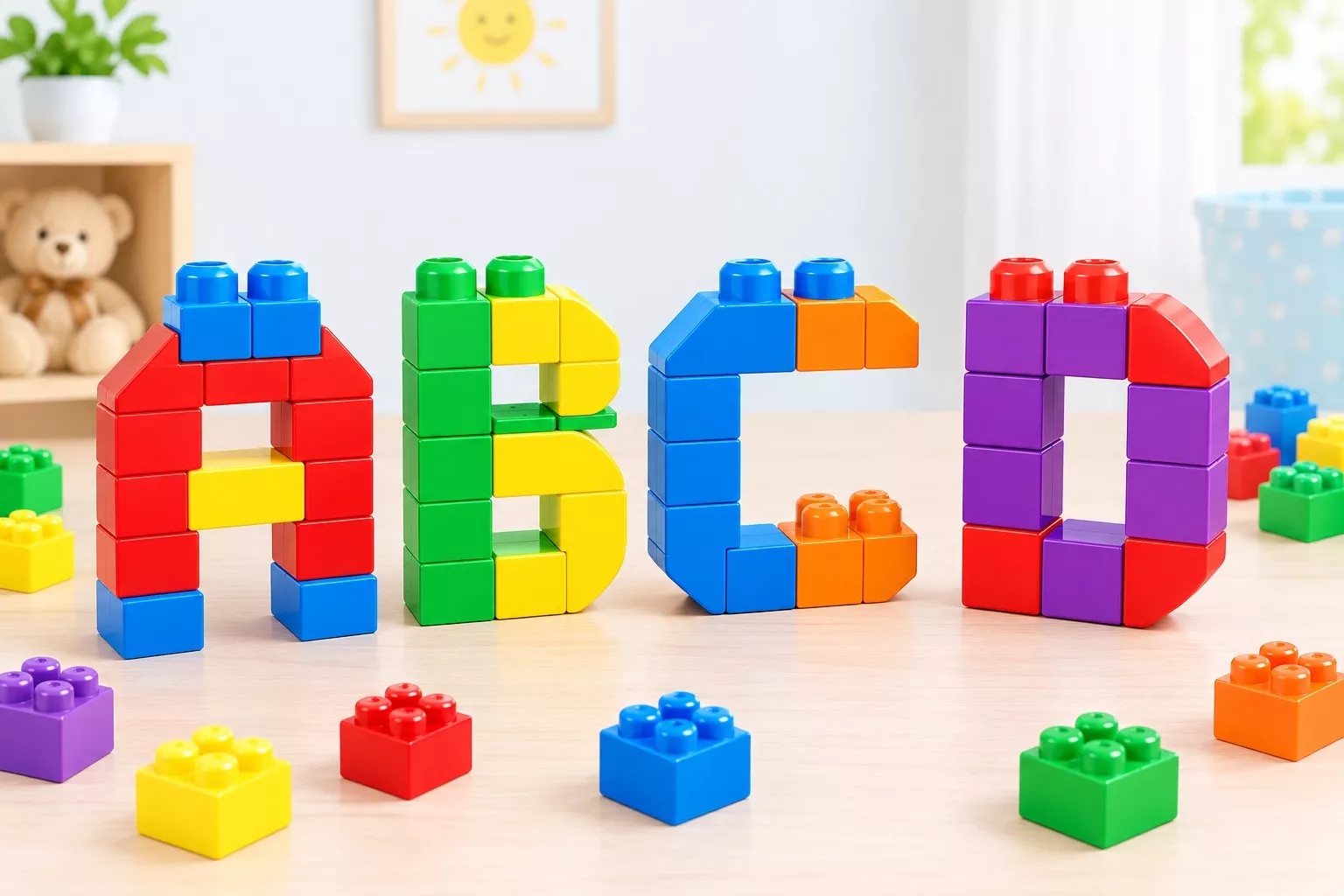
Size matters more than most parents expect before buying. Blocks that are too small end up as a choking risk for younger toddlers and get lost under the sofa within a week. The set I use has pieces large enough to be safe for a one-year-old but interesting enough that an older child still uses them for elaborate builds involving toy cars and a very dramatic bridge collapse.
Why blocks earn their keep long after the “new toy” excitement fades
Most toys have a shelf life of a few weeks before they get replaced by whatever’s trending next. Building blocks are different because the toy changes with the child. At eighteen months, a toddler mostly uses them for stacking and knocking down, which is endlessly funny at that age. By three, sorting by colour becomes the game. By five, actual structures start appearing — a garage for toy cars, a “castle” that’s really just four blocks and a lot of imagination.
That’s the part toy guides don’t always mention. Building blocks aren’t a single-stage toy. They grow with the kid, which makes them one of the few purchases that doesn’t feel wasteful a year later.
What I noticed during actual testing, not just the box description
The set survived a monsoon season stored in a plastic bin on a balcony, a teething phase where every corner got chewed on, and one memorable afternoon when a neighbour’s dog got hold of a few pieces and returned them slightly damp but unbroken. None of that is in the product description, but it’s the kind of detail that actually tells you whether a toy is worth buying.
I also noticed how naturally it slots into daily routines. Fifteen minutes before dinner, when kids are hungry and restless and not quite ready to sit at the table, blocks give them something to do with their hands that doesn’t end in an argument. Rainy afternoons, when outdoor play isn’t possible, are another reliable use case worth planning around.
What parents in the reader community have shared
A parent from Thrissur mentioned in the comments that she keeps a set of children’s building blocks specifically for her child’s occupational therapy homework, since the therapist recommended activities that build hand strength and hand-eye coordination. That’s not medical advice—always follow your own child’s therapist or pediatrician for anything development-related—but it does show how versatile a simple set of blocks can be beyond just play.
Another reader said her twins fight over the exact same colour blocks every single time, despite having an identical set each. Small detail, but a relatable one for anyone with more than one child.
A few practical things before buying
Check whether the set is compatible with blocks already owned at home—some brands use standard connector sizes, others don’t, and mixing incompatible sets leads to frustration for both kids and parents. Look for BPA-free, non-toxic material claims on the listing, and always check for a choking hazard warning relevant to the child’s age.
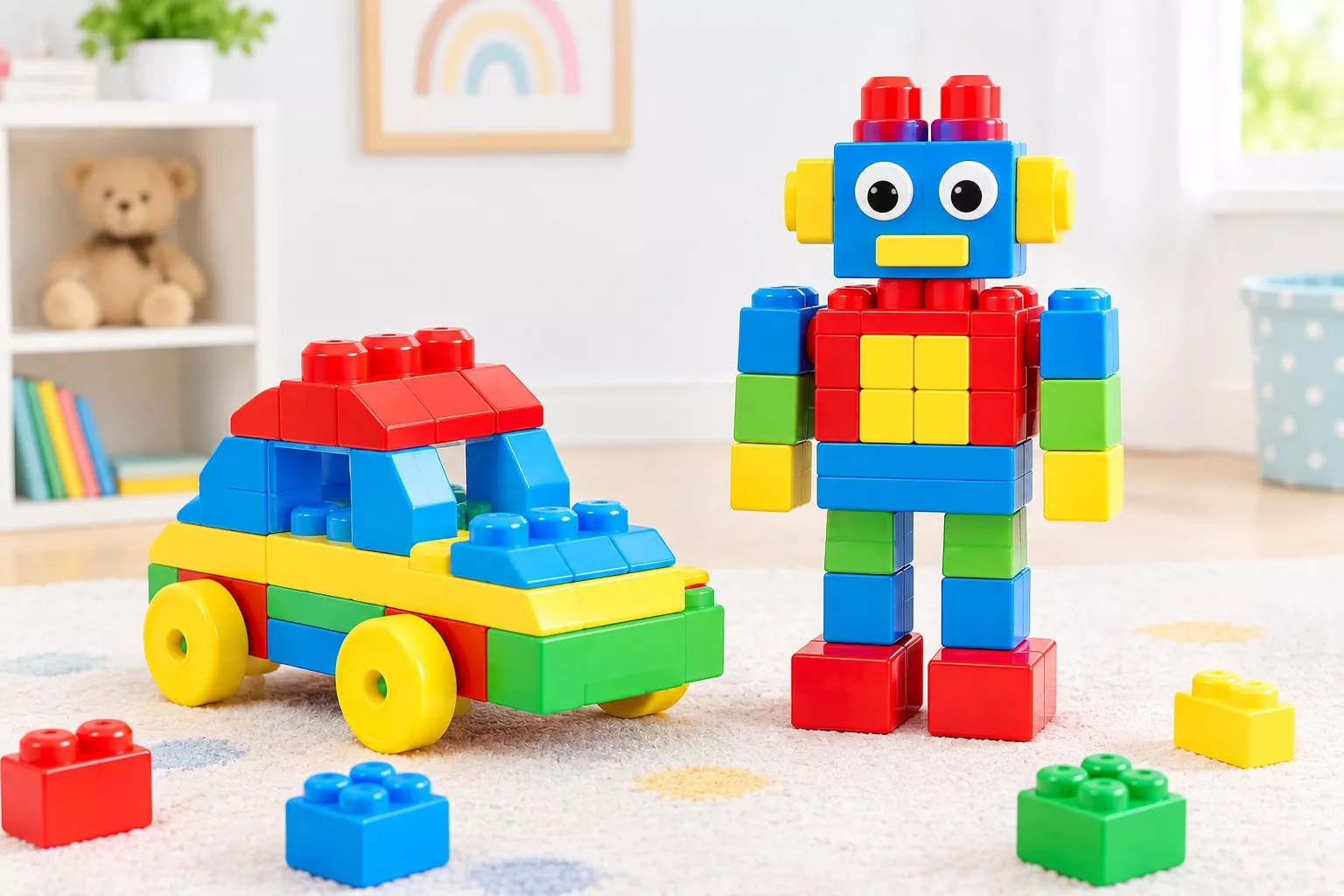
Storage is worth thinking about too. A simple bin or basket works better than trying to sort blocks by colour or size, especially for younger kids who just want to dump everything out and start building.
Who this toy actually suits
Based on testing across different age groups, childrens building blocks work well from around twelve months through at least seven or eight years old, with the type of play changing as the child grows. It’s rare to find a toy with that kind of range, especially at this price point.
If the choice is between something trendy that might get abandoned in a month and something that quietly earns its place in the toy basket for years, blocks are the safer bet. This set has outlasted three house moves and a curious dog—and it’s still the first thing pulled out on a slow afternoon.