Skip to content
Home
Explore
Pregnancy Journey
Parenting
Ages&Stages
Learning & Play
About
Mom & Baby
Mom Care
Baby Care
Contact Us
Blogs
Home
Explore
Pregnancy Journey
Parenting
Ages&Stages
Learning & Play
About
Mom & Baby
Mom Care
Baby Care
Contact Us
Blogs
Home
/
Child Age
/
4 to 6 age
/ Abacus (Ages 3–6)
Uncategorized
,
4 to 6 age
,
Educational Gift
,
gift
,
toys
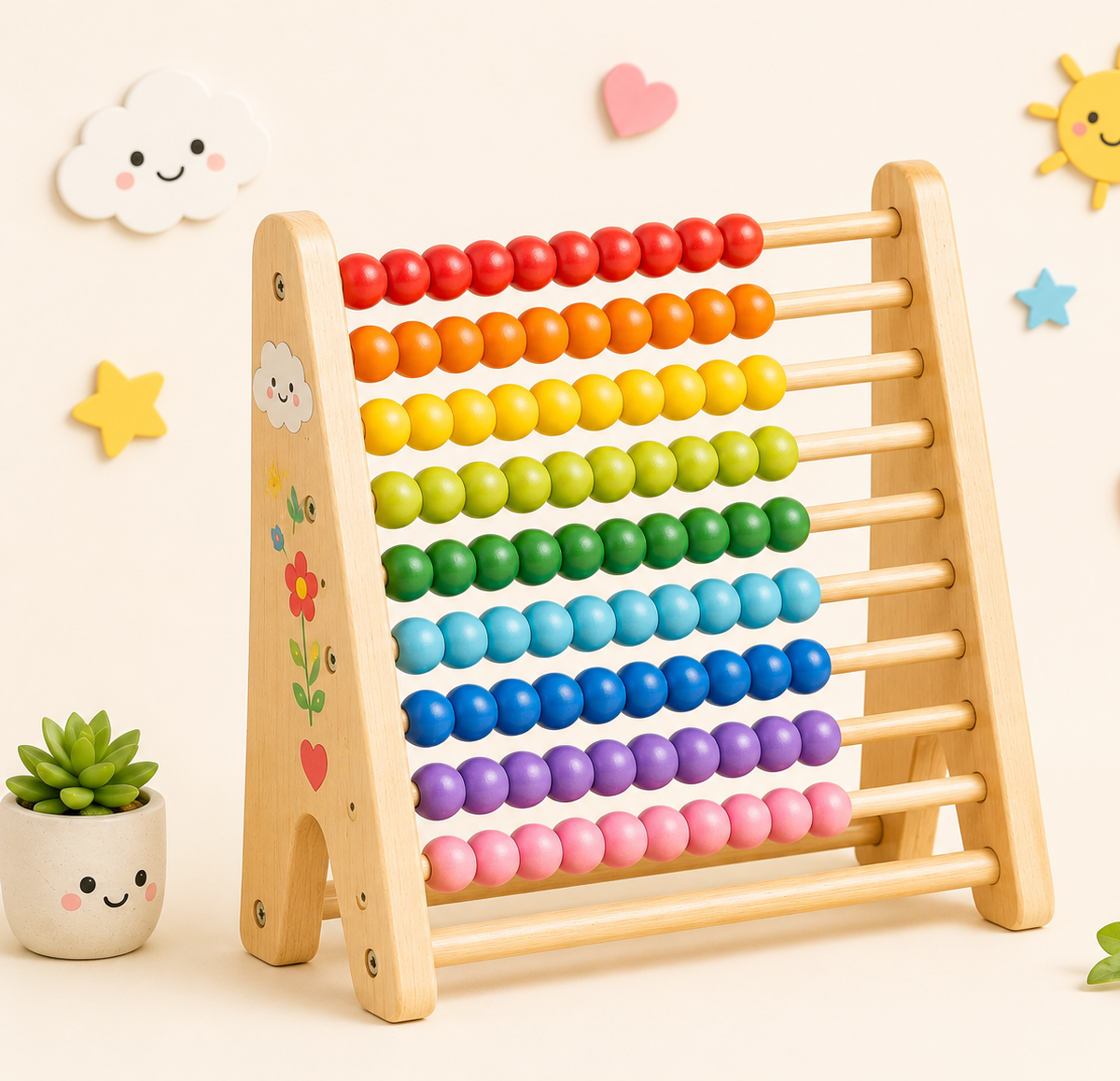
Abacus (Ages 3–6)
Check Price on Amazon
Categories:
Uncategorized
,
4 to 6 age
,
Educational Gift
,
gift
,
toys
Related products
Newborn Towels
Newborn Towels
Buy product
Uncategorized
Globe for Kids (5 to 12 Year)
View Product
Uncategorized
Building Blocks (Ages 1–3)
Check Price on Amazon
Uncategorized
STEM Innovators (Ages 6–10)
View Product
Home
Explore
Pregnancy Journey
Parenting
Ages&Stages
Learning & Play
About
Mom & Baby
Mom Care
Baby Care
Contact Us
Blogs
Home
Explore
Pregnancy Journey
Parenting
Ages&Stages
Learning & Play
About
Mom & Baby
Mom Care
Baby Care
Contact Us
Blogs