


Infant Bath Toys: Choosing Safe Toys for Your Baby’s Bath
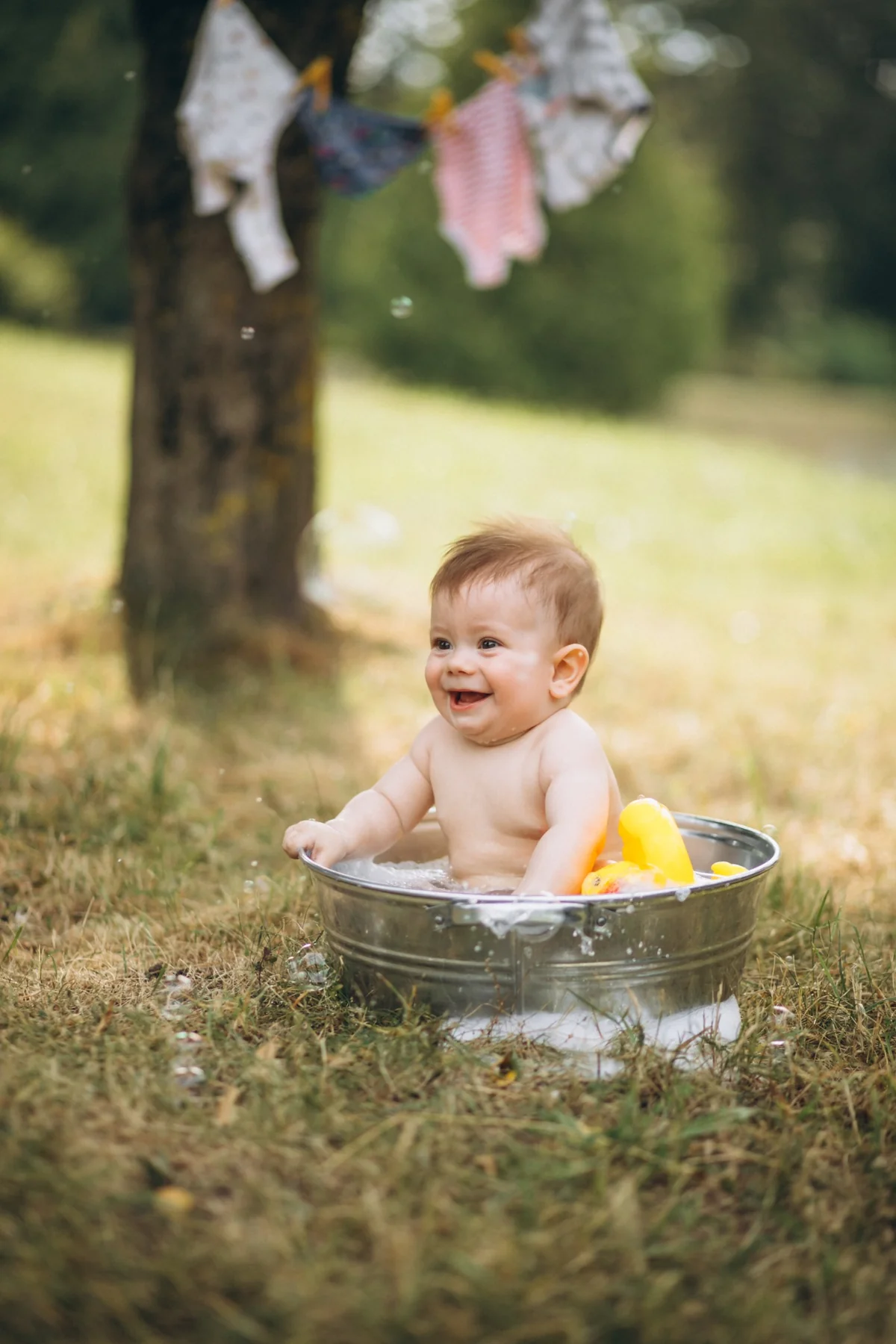
Bath time can turn into a small negotiation. One child grabs the mug and pours. Another just wants to splash. A third would rather leave the tub altogether. Parents often wonder whether a few toys would make it easier, and which ones are worth the money.
This guide from zaminotoys.in looks at infant bath toys honestly: what they are, when they make sense, what to check before buying, and how to keep them clean. In some cases, the answer is that you don’t need to buy anything.
What Are Infant Bath Toys?
Infant bath toys are small, water-safe toys made for use in the tub. The common types are:
Floating toys
Rubber ducks, boats, and soft animals.
Pouring toys
Cups, small watering cans, and sieves.
Squeeze toys
Soft toys that squirt water when pressed.
Stacking or nesting cups
Usable in and out of water.
Fabric or foam toys
Light, soft, and made to stay in the water.
Suction toys
Attach to the tub wall or the floor of the tub.
Most of them are everyday. What matters is how a child uses them, and whether they are safe, easy to clean, and the right size for small hands.
When Is a Baby Ready for Bath Toys?
There is no set day. Most parents introduce a toy once the baby is comfortable in the water and once the baby can hold something or follow it with their eyes.
In the early months, a baby is usually placed in the water for a very short time, and the bath is mostly about washing. A toy isn’t needed then. Some babies simply look at a floating duck or a bright cup, and that’s enough for a first toy. Others show little interest at all, and that is fine.
As children get older, up to around age 4, their bath play changes. Younger babies tend to grab, squeeze, and mouth things. Toddlers usually enjoy pouring, filling, and floating things. Three- and four-year-olds often invent little games. Treat these as loose age ranges, not a schedule. Children differ, and there is no right pace.
One practical point about age labels: check the label on the packaging. If a toy is marked for a certain age and up, believe it. Small pieces or detachable parts are the reason for those labels.
Are Bath Toys Really Needed?
Honestly, no. Bath toys are a convenience, not a requirement.
Here is what they can do. Some children stay calmer with something to hold. Others enjoy the routine more when there is a familiar toy waiting. A parent who is washing hair or rinsing may find a toy gives the child something else to look at for a minute.
Here is what they can’t do. They can’t make a reluctant child love the bath. They can’t replace an adult being close by. And many children lose interest in a new toy within a couple of weeks.
Before buying, look around at home. For bath play, pouring cups and floating containers can sometimes be enough to keep things interesting. A stack of clean plastic containers works for pouring. If your child already loves those, a shop-bought set adds little. If a parent wants something with a bit more variety, or the household items keep disappearing, a small purchase is reasonable.
How to Choose the Right Bath Toys for Infants
Here’s a short checklist that is easy to use in a shop or on a product page.
Size
Check that the toy and its detachable parts are not small enough to create a choking risk, and always follow the manufacturer's age guidance.
Solid construction
Pull at the eyes, ears, and any small attached parts. Anything that comes loose is a risk.
Material
Check the packaging for safety or standards marks, and make sure the manufacturer's name is clearly listed.
Holes
Check toys with small openings, especially squirt toys. Water can stay inside, making them harder to clean and dry. Toys that can be fully drained and dried are easier to maintain.
Sharp edges
Run a finger around the seams and check for rough edges or unfinished areas that could scratch small hands.
Weight and buoyancy
Very heavy toys can bump against a small hand or foot. Very light ones float away, which may frustrate a child.
Fit with the tub
If you're using an infant bath tub, a smaller basin with less water, be aware that large toys can crowd it. Pick smaller, lighter toys that leave room for the baby.
Simple Ways to Keep Bath Toys Safe
Keeping bath toys clean and dry is an important part of using them.
Supervision comes first
A child in water needs an adult within arm's reach at all times. This applies to a baby seat, a bath ring, or an infant bath tub with a support. The American Academy of Pediatrics makes this point clearly on its HealthyChildren site, and it is worth reading directly. No toy changes this rule. A toy can distract a child, but it can also distract you, so put your phone away and keep your eyes on the tub.
Watch for wear
Bath toys spend a lot of time wet, and they age faster than dry toys. Check them regularly for:
- Hairline cracks or splits in the plastic
- Small parts, like eyes or beaks, that wiggle or have come loose
- A surface that feels rough, tacky, or has changed colour
If a toy is cracked or split, replace it rather than continuing to use it.
Keeping bath toys clean
A consistent cleaning and drying routine can help reduce the chance of water and residue staying trapped inside.
- When bath time ends, squeeze each toy until the water is out, then give it a good shake.
- Leave the toys somewhere with fresh air so they dry all the way through. A closed basket traps damp, so skip it. A mesh bag or a hanging bath toy holder is a better choice.
- Once a week, wash them in warm water with a little mild soap, then rinse until no soap is left.
- Follow the manufacturer's cleaning instructions for the specific toy. Read the maker's care instructions before you try it, because not every material handles it well.
- Toys with a small opening that lets water in are the hardest to dry. If you spot dark marks inside one, it's time to throw it away.
Whatever cleaner you use, follow the instructions on the label and rinse well afterwards. Little ones like to chew on their toys, so it's best not to leave any cleaning residue behind.
Let bath toys dry after use
A wet corner or a shut container is where mold likes to grow. Once bath time is over, lift the toys out, dry them off, and put them somewhere the air can move around them.
Safety and Shopping Tips
When you’re ready to buy, a few habits help:
Check the age range and reviews
Check the age range on the pack first, since it mostly reflects small parts. Then scan the reviews for repeat complaints such as peeling paint, a broken squeaker, or a lingering smell. One bad review means little, but the same problem mentioned again and again does.
Go carefully with very cheap, unbranded sets
Some are perfectly fine. Others have no material information and thin plastic. Without a maker's name or a standards mark, you have no way to check.
Don't put battery toys in the tub
A toy may be sealed against water, but that seal can weaken or fail with use. If you choose one, pick a design with a secure battery cover and check it regularly.
Skip large bundles
A set of 20 toys usually means most will sit at the bottom of a basket. Three or four varied toys go a long way. A cup for pouring, something that floats, and one soft toy cover most bath play.
Check for recalls
Consumer safety agencies publish recall notices. A quick search of a toy's name and the word "recall" takes a minute.
Think about storage
A toy that can't dry easily will become a chore. Ask yourself whether you'll actually take care of it.
Fun Bath Time Ideas With Next to Nothing
Many bath activities work without buying anything:
- Fill a cup, tip it out, and repeat. Toddlers often love this for a surprising length of time.
- Float a few plastic containers and see which sink and which stay up.
- Use a soft cloth to make a “boat” and sail it across the tub.
- Sing a short song while washing, using the same one each time. The routine can make bath time feel predictable.
These aren’t lessons or goals. Really, they’re just fun things to do at bath time.
Frequently Asked Questions
-
Can I use regular household items as bath toys?
Yes, if they are clean, have no sharp edges, and are too large to swallow. Check them for cracks. Avoid anything that held chemicals or cleaning products.
-
How often should I replace bath toys?
There's no fixed schedule. Replace a toy when it is cracked, has trapped water or dark spots inside, or keeps a smell after washing.
-
Are squeeze toys with holes a bad choice?
They are harder to keep clean. If your child loves them, dry them thoroughly after every use and inspect them often. Toys without holes are more basic.
-
Can bath toys be used in an infant bath tub?
Yes, but pick small, light toys so they don't crowd the space. Always follow the tub maker's instructions.
-
Should I buy a big set or a single toy?
One toy, or a small set, is normally plenty. Add more only if your child shows what they like.
conclusion
Infant bath toys are helpful for some families and unnecessary for others. A cup and a floating toy may be all your child needs. What matters more is a toy that is the right size, made of sound material, and easy to dry, along with an adult who stays close.
At zaminotoys, we try to keep our recommendations grounded in honest information rather than hype. If you decide to buy, choose a few well-made pieces, check them regularly, and let the rest of your bath routine stay easy.
Content type: Researched guide. This article is based on product information and public safety guidance, not on our own testing. Some links on ZaminoToys may be affiliate links, and they never change what we write.
SHARE THIS STORY
Latest
Categories