What I Expected vs. What Actually Happened Picking Toys for My Daughter
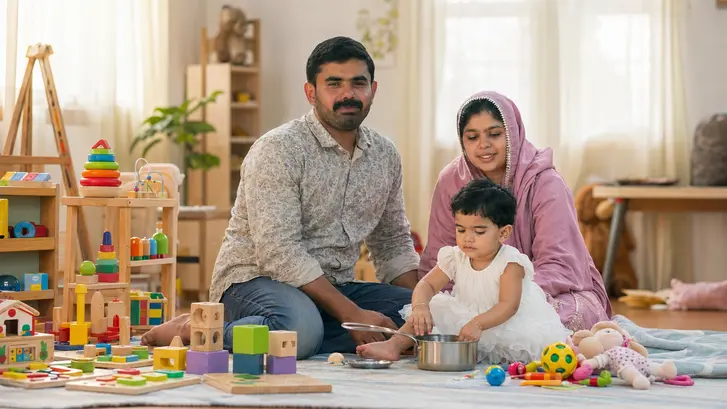
My ideas about what toys to introduce to my daughter started even before she was born. Not because I wanted a perfectly styled play corner — honestly, I was just excited, and a little anxious about getting it “right.” I remember scrolling through toy listings late at night, trying to work out how to pick the best toys for a baby I hadn’t even met yet, and slowly realizing that most of what I was reading was written to sell something, not to help me understand my own child.
Two years later, I have a much simpler answer than I expected to find.
This is that journey — what we tried, what actually got used, and what just sat there.
Before She Was Born: Planning vs. Reality
I pictured a neat little shelf of wooden toys and “developmental” kits. Then she actually arrived, and I learned two things fast: newborns don’t care about elaborate play gyms, and a lot of the toy market is built around parental worry, not what a baby actually needs.
What I actually needed wasn’t more products. It was a simple way to think about what she was ready for at each stage — and the willingness to just watch her, instead of guessing from a box.
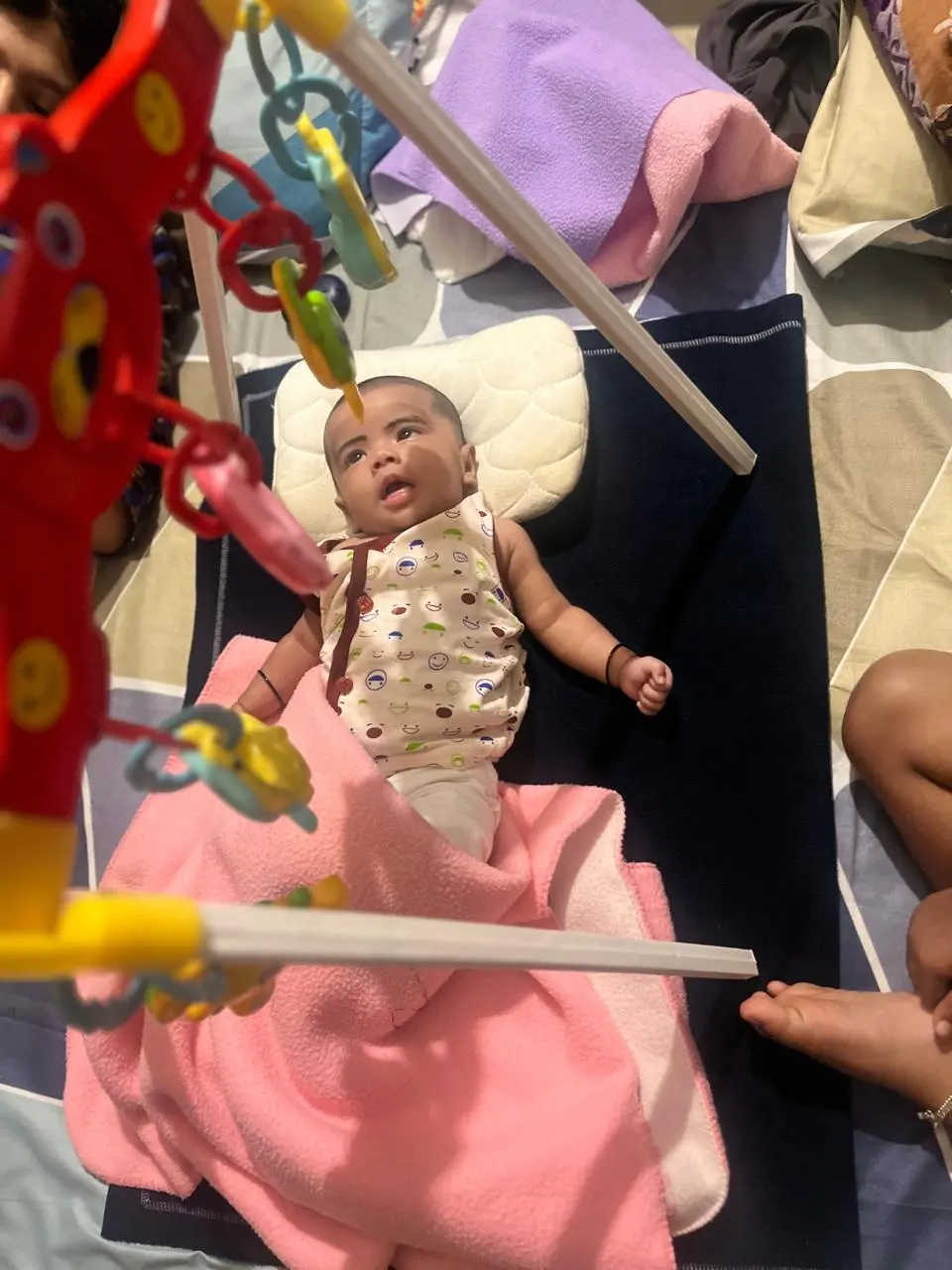
0 to 3 Months — Simple, High-Contrast, Nothing Fancy
In the first weeks, a newborn’s vision is still developing — mostly bold contrast, close range. So I kept it simple:
- A black-and-white contrast card, propped beside her changing mat
- A soft crinkle cloth she could touch during tummy time
- A lightweight wrist rattle
Watching her eyes actually track the card’s pattern for the first time was a small, ordinary moment, and it stuck with me more than I expected — no toy did that, she did.
What I skipped: anything with batteries. A flat card on the floor did more than any light-up toy we were gifted.
3 to 6 Months — Reaching, Grabbing, Figuring Things Out
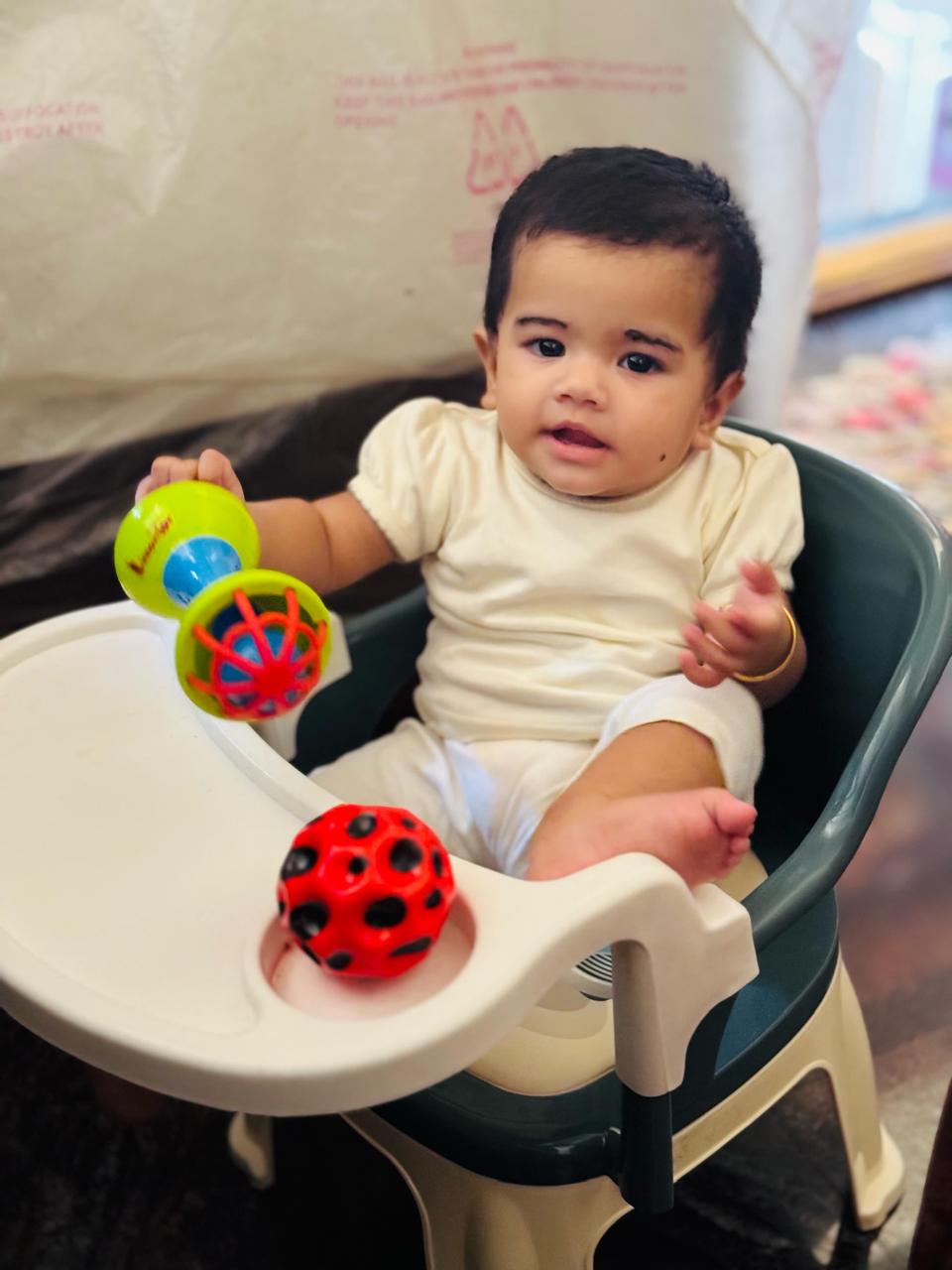
By three months she was reaching for things and bringing her hands to her mouth constantly. An O-ball (the open, easy-to-grip kind) became a genuine favorite — her fingers could actually get around it, unlike a few smoother toys that just slipped out of her hands. A simple wooden rattle taught her something too, in her own way: move my arm, hear a sound. Nothing complicated about it, but she’d repeat it over and over.
6 to 12 Months — From Watching to Doing
Once she could sit up on her own, everything changed. She went from looking at things to actually handling them — banging, dropping, passing between hands.
A few things that genuinely held her attention during this stretch:
- Real-photo sensory cards — we moved on from black-and-white patterns to cards with actual photos of everyday objects and faces
- A simple wooden box with a ball that drops through a hole — no branding needed to explain it; she’d drop the ball in, watch it roll out, and immediately do it again, for longer stretches than I expected from something so plain
- A sturdy push walker — once she started pulling up to stand, this gave her something stable to lean into while she worked out her first steps
12 to 24 Months — Books, Stacking, and a Lot of Repetition
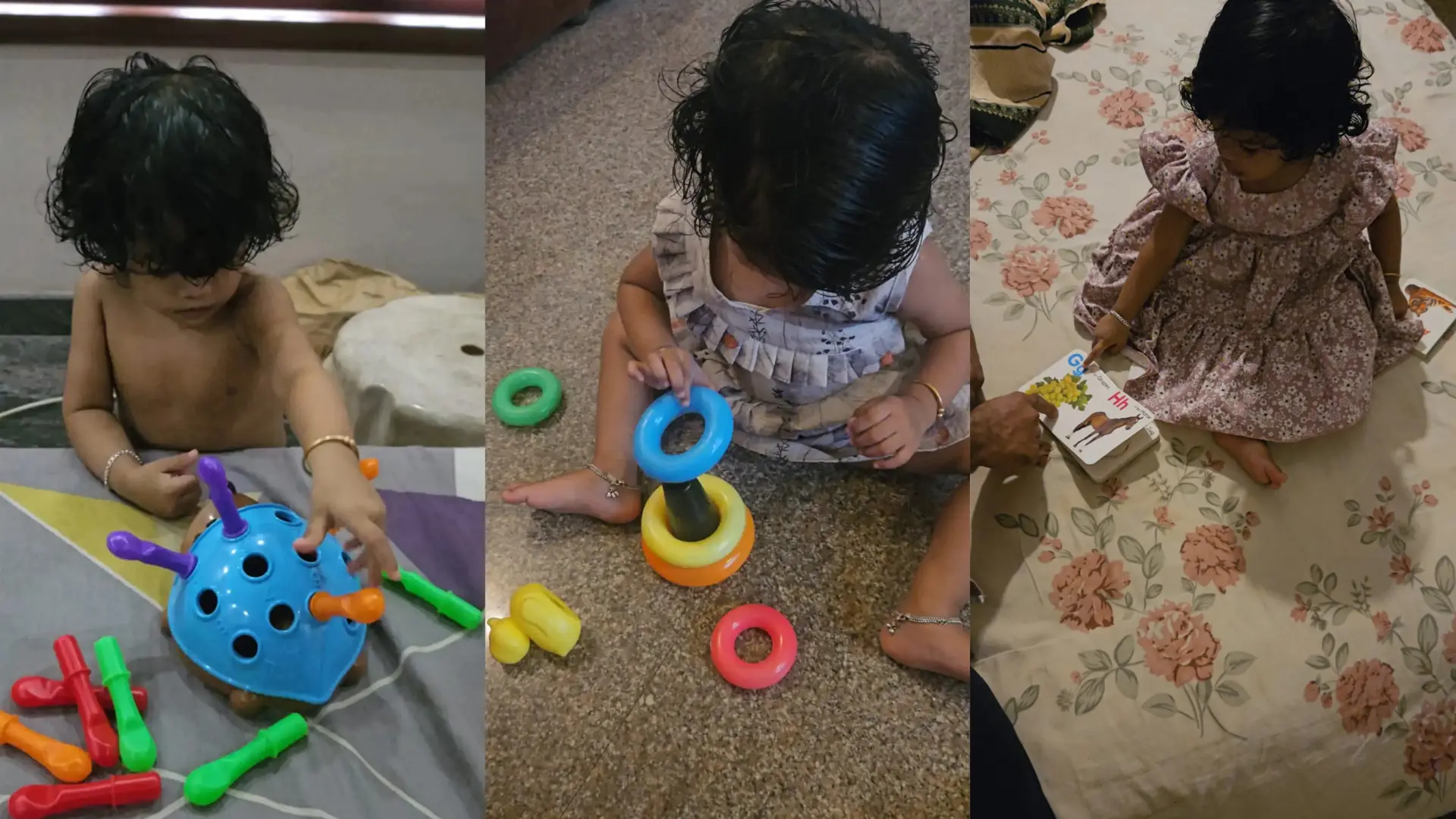
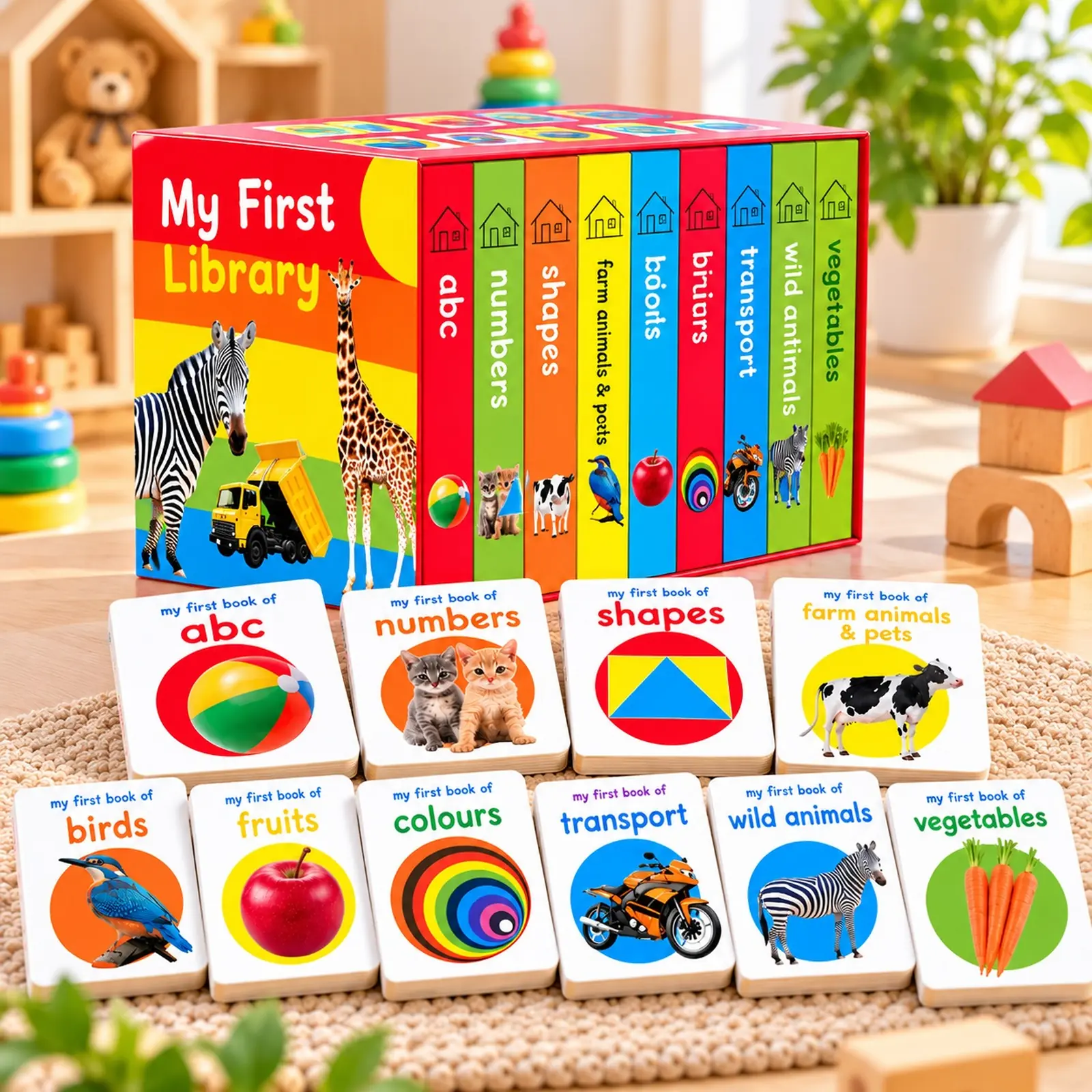
After her first birthday, play got more physical and more purposeful. Board books with lift-the-flap pages and different textures became part of our actual routine, not just something on a shelf — though she was just as often interested in flipping pages fast as she was in listening to me read them, which is exactly how it goes with a real toddler.
Nesting stacking cups turned out to be one of the most-used things we owned — towers, bath-time pouring, hiding small objects underneath, whatever she decided that day. A simple wooden shape sorter, with big knobs she could actually grip, gave her something to work at and get frustrated by and eventually figure out.
Now, at Two
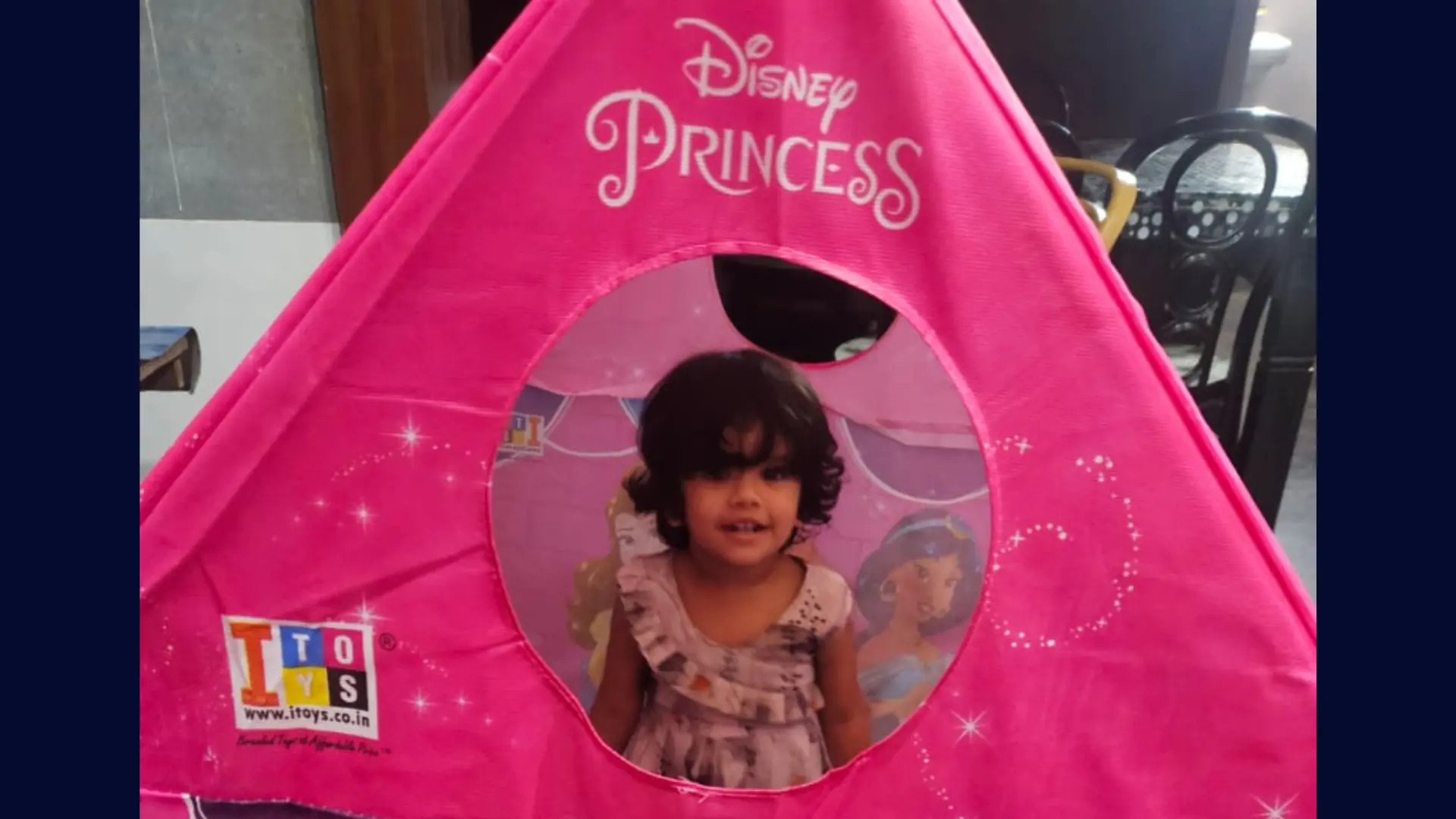
She’s deep into pretend play these days — a simple wooden play kitchen with velcro vegetables keeps her busy while My Wife actually cooking. Building blocks and magnetic tiles get used for towers, roads, whatever she’s decided they are that afternoon. A basic sorting tray, grouping things by color, holds her attention longer some days than others — which I’ve learned is just how this age works.
How I Actually Try to Pick the Best Toys Now
Not a formal system — just the questions that have actually saved me money and clutter:
Does she do the work, or does the toy? If it flashes and plays music the moment it’s switched on, she mostly watches. If it waits for her to do something with it, she plays.
Can it be used in more than one way? Something that’s only ever “correct” one way tends to get boring fast.
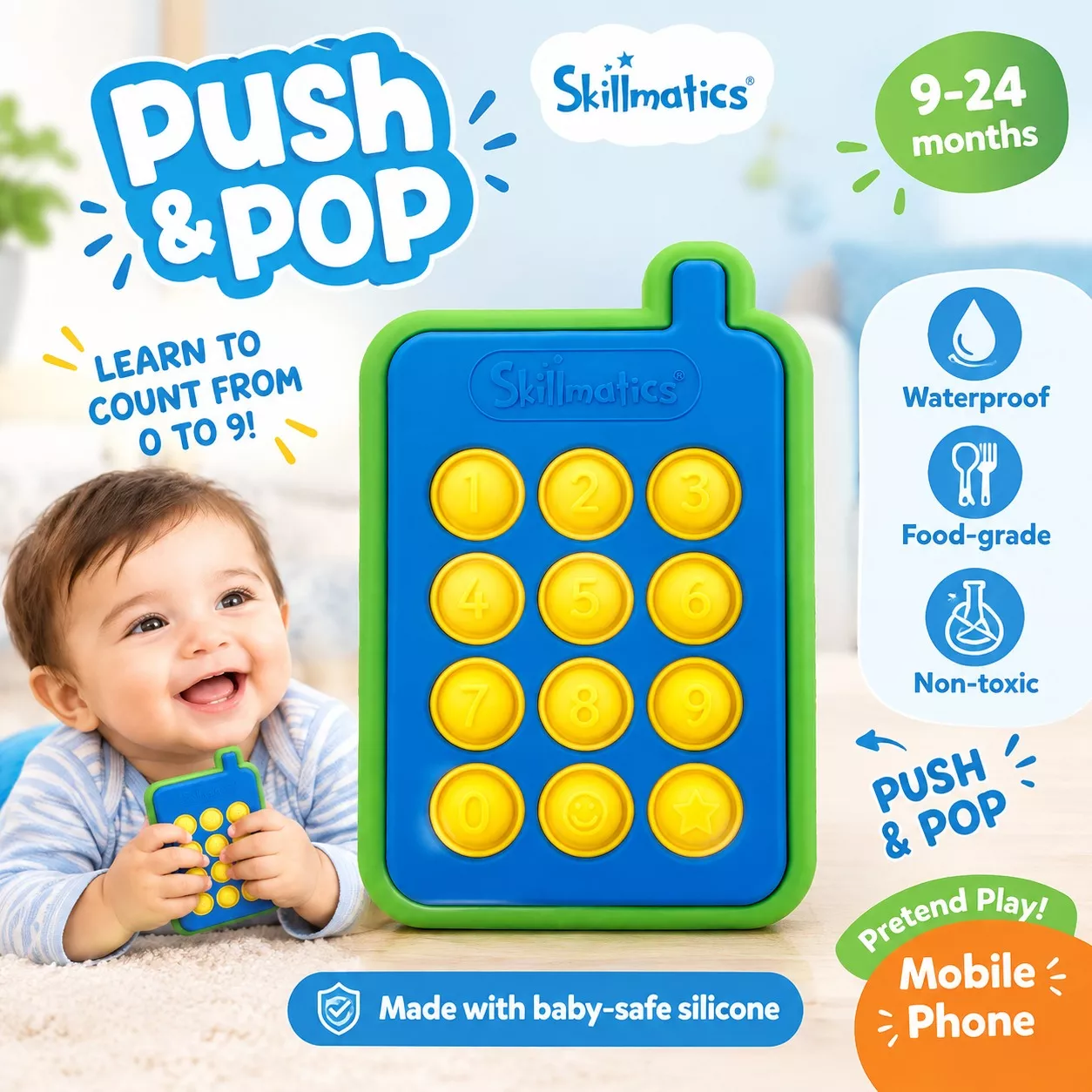
Does it hold up to actual use? Thick board pages, food-grade silicone, and solid wood have all outlasted the thinner plastic toys we’ve had.
Am I buying this for her, or because an ad got to me? Honestly, I’ve caught myself almost adding something to the cart purely because the listing claimed it “helps development” — and that’s usually the exact moment I’ve learned to slow down and ask the question again, rather than trust the label.
I want to be clear about something: none of this is a guarantee that a toy will “build” a specific skill. What I’ve actually seen is simpler — a toy that invites her to do something tends to hold her attention longer than one that performs on its own. That’s all. I wouldn’t want to make any bigger promise than that, and I’m not qualified to.
A Few Honest Answers
How many toys does a two-year-old actually need?
Fewer than I expected. A small rotating handful on a low shelf, with the rest put away and swapped in later, has worked better for us than having everything out at once.
Are wooden toys always better than plastic?
Not necessarily, in my experience. Wooden toys have held up well, but some of our most-used items — like the stacking cups — are BPA-free plastic and work just fine. For me, safety and function have mattered more than the material itself.
How do you decide if a toy is worth keeping?
Honestly, whether she keeps coming back to it. That’s been a more reliable sign for us than anything printed on a box — which, in the end, is really the whole point of trying to pick the best toys in the first place: paying attention to your own child, not the packaging.
I'm a father sharing what's actually worked in our own home — not a pediatrician, child psychologist, or medical professional. This is only my experience; every child is unique. If you have concerns about your own child's growth or safety, your pediatrician is the right person to consult.