


2 Year Olds Books: What to Look For and Where to Start
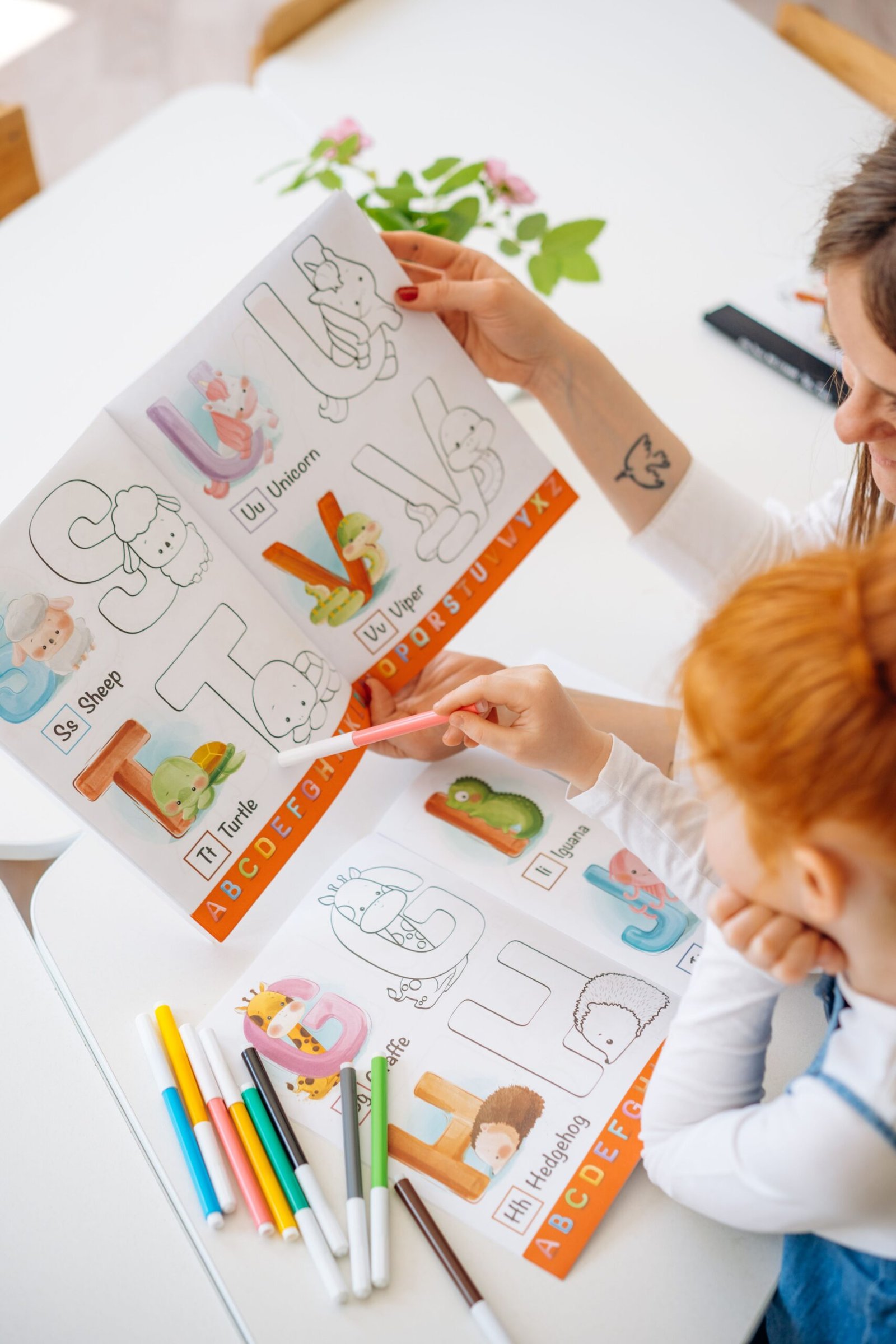
The best 2 year olds books are simple ones. Clear pictures of things your toddler already knows—a cat, a banana, a bus—work better than long stories at this age.
Your toddler will show you what’s working. They might point at a picture. Make an animal noise. Flip ahead before you’ve finished the page. Or beg to hear the same book again tomorrow.
Book shelves don’t make this easy. Alphabet books, activity books, flap books, sound books—there’s too much to choose from, and no way to tell what your child will actually like. Will a book with buttons and noise hold their attention? Or will they get bored by page two either way?
At ZaminoToys, we share practical toy ideas to help parents feel more confident when choosing toys for their little ones. Below, you’ll find what’s worth looking for in a toddler book, the types that tend to work, and how to make reading part of your day without turning it into a task you both dread.
What to Look for When Choosing 2 Year Olds Books
Toddlers between two and three don’t need complicated books. What works is something sturdy enough to survive their grip, with pictures they can take in at a glance, and words that repeat often enough to feel familiar. Board books, animal stories, rhyming books, books about everyday moments, and ones with flaps or textures all tend to hold up well at this stage.
There’s no single “right” type, though. It comes down to what your own toddler gravitates toward. Some children get excited about any toy or book featuring a truck, bus, or other vehicle. Another might reach for the book with the dog on it every single time, ignoring everything else on the shelf.
With that in mind, here are five kinds worth keeping an eye out for.
1. Picture Books with Everyday Objects
These books show things your toddler already knows—a cup, a shoe, the family dog. Point at a picture, say the word, and let them take it from there—pointing elsewhere, repeating the word, or flipping ahead, all fine. Stick to pages with one or two clear objects rather than busy ones packed with detail.
2. Animal Books and Stories with Repetition
If your toddler is drawn to dogs, cats, or farm animals, this category is a safe bet—especially books with sounds or phrases they start to expect. Dear Zoo turns each flap into a small guessing game, while The Very Hungry Caterpillar gives you bright pictures and food to talk about on every page. Neither suits every child, so flip through a copy first if you can.
3. Rhyming Books and Nursery Rhymes
Some toddlers care more about the beat than what’s on the page—no storyline required, just a steady rhythm and a well-timed pause before a line they’re waiting for. You don’t need to sing well for it to land. If Malayalam rhymes are already part of your routine, bring them in alongside English ones—reading in whatever language feels most natural usually works best for both of you.
4. Books About Everyday Life
Stories about eating, getting dressed, or heading to bed work well because toddlers are already living that exact day—nothing unfamiliar to explain first. The good ones don’t turn every page into a lesson; a family trip to the market just gives you a natural reason to talk about the fruit in the basket. For bedtime specifically, our guide to bedtime storybooks that relax covers that angle in more depth.
5. Interactive and Early-Learning Books
This category spans lift-the-flap pages, textures, matching games, and sound buttons, while early-learning books usually zero in on letters, numbers, or colors. More features don’t always mean a better book—sometimes a plain picture book is easier to actually enjoy. Check that flaps and small parts are securely attached and age-appropriate before buying, especially with batteries or loose pieces involved.
How to Actually Read with a Two-Year-Old
Reading at this age doesn’t need to look like a proper story session with a beginning, middle, and end. Sitting together on the sofa after lunch, flipping through a few pages before bed, or just pausing on whatever page your toddler stops at — all of that counts. Let them steer it rather than expecting them to sit through the whole book every time.
Raising Children Network, an Australian parenting resource, suggests letting toddlers pick their own books, giving them time to look at the pictures, repeating familiar phrases, and generally following the child’s lead rather than your own agenda. Their guide covers ages 1 to 3 in more detail. Read the guidance on reading with toddlers.
Let Your Child Pick Sometimes
Offer two books and let your toddler choose. If the same animal book wins four nights running, there’s no need to swap it out just to mix things up.
Repetition is usually doing exactly what it’s supposed to. Your toddler already knows what’s coming, and that’s part of the comfort. Some nights you’ll read every word. Other nights you might just talk through one picture or flip through the pages together without reading a single line.
Talk About What’s on the Page
You don’t have to read every word exactly as it’s printed. If a page shows a cat sitting on a mat, something as simple as “The cat is on the mat” works just as well. And if your toddler’s attention goes straight to the mat instead of the cat, follow that—there’s no rule saying you have to stick to the main picture.
Keep what you ask simple, and give them a beat to respond before moving on. Some days they’ll name everything on the page without prompting. Other days they’d rather just listen or flip through quietly without saying much at all—both are normal.
Keep the Session Flexible
A toddler may enjoy a whole short story one evening and leave after three pages the next day. That is fine. You can stop and return to the book later instead of making reading feel like a task that must be completed.
If your child wants to hold the book, turn pages, or look at the pictures in a different order, allow room for that when the book can be handled safely.
What to Check Before You Buy
A book can look great in a photo and still fall apart in a toddler’s hands within a week.
A few things worth checking first:
Board pages beat paper ones for durability, though it’s still worth checking for damage, especially if you’re buying second-hand.
Pictures should be easy to make out at a glance — nothing too detailed or cluttered.
Shorter text works better, since most toddler reading sessions don’t last long anyway.
Flaps and textures are great fun until they tear on the second use, so check how well they’re stitched or glued on, and whether the book actually suits your child’s age.
Read in whatever language feels natural at home — English, Malayalam, or a mix of both works just as well.
A cheaper book that gets picked up every week is worth more than an expensive one sitting untouched on the shelf.
One more thing worth a glance: pictures showing people, homes, or everyday scenes your toddler recognizes tend to give you an easy way into conversation.
A Book Worth Checking Out: The Book Toddler Box Set
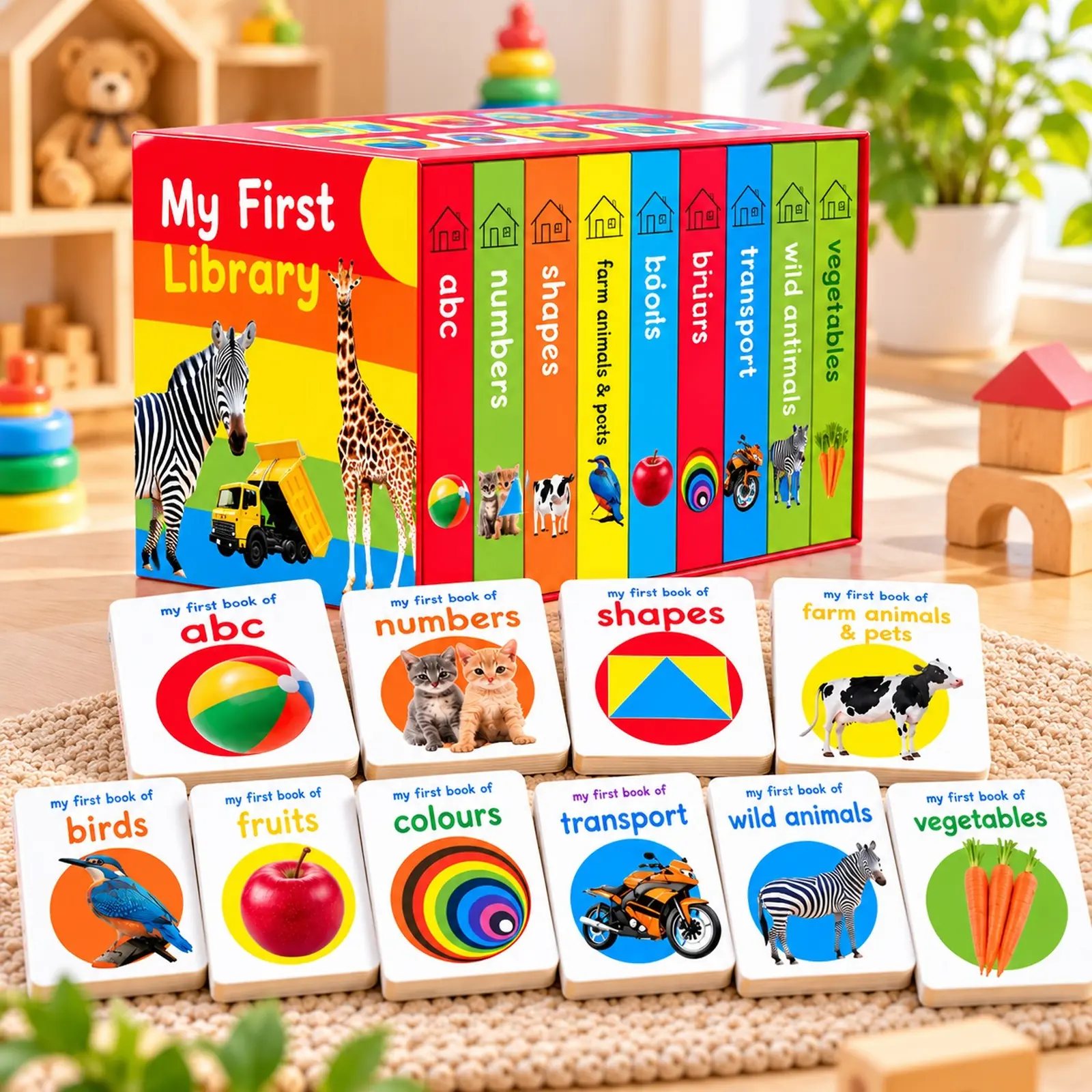
Among the options on ZaminoToys is the Book Toddler Box Set, built around fruits and vegetables — one Shafeer has gone through directly with his own kids. It’s worth a look if your toddler already likes food pictures, though a child more into animals or cars may not take to it the same way. Check the product page for full contents, age range, and current pricing before deciding.
How Books Fit into Everyday Play
Books don’t have to stay shelved until reading time—a fruit book can spark a quick chat when you spot that same fruit at home, no worksheets needed. Keep a handful within easy reach and rotate them in and out, rather than buying something new every week. If you’re weighing books against toys, there’s no need to pick one over the other—they’re just different kinds of play, and neither has to be expensive to earn its place.
Frequently Asked Questions
-
How many books does a two-year-old need?
There is no fixed number. A few suitable books that your child enjoys can be enough to start. You can add new titles gradually, borrow books, or revisit old favourites instead of buying a large collection.
-
Are board books better than paper books for a two-year-old?
Board books usually win out at this age — the thick pages hold up to a toddler’s grip and don’t tear the moment they’re pulled at. That said, paper picture books can still work fine with a bit of supervision and careful handling. Either way, check the age recommendation on the cover and look over the actual condition of the pages before buying.
-
Should I choose educational books or storybooks?
You can choose both. Picture books about familiar objects offer something to point at and discuss, while storybooks provide characters and events to follow. Your child's interests and the book's quality matter more than a label that calls it educational.
-
Can I read to my toddler in Malayalam?
Yes. Read in the language you feel comfortable speaking. You can also offer English or bilingual books if those languages are part of your family's everyday life. You do not need to choose only one language for shared reading.
-
What if my toddler doesn’t sit through the whole story?
That’s completely normal — try just a few pages, or stop at one picture that’s caught their attention, rather than pushing for the whole book. Let them wander off when they’re done, and pick it up again another time. There’s no rule that says a book has to be finished to count as enjoyed.
conclusion
The best 2 year olds books aren’t the priciest or the most colorful—they’re the ones that fit your toddler’s interests and hold up to being handled again and again. Picture books, animal stories, rhymes, everyday-life stories, and interactive ones each offer something different.
At ZaminoToys, we’d rather help you pick well than sell you everything on the shelf. Start with one or two books, read at your toddler’s pace, and let their interest guide what comes next.
SHARE THIS STORY
Latest
Categories