




From their first blink to their first step

Baby Care Made Simple

Newborn Care
Supporting your baby's healthiest start
Milestones
Track every developmental achievement
Development
Helping young minds learn and grow
Baby Essentials
Trusted products for every stage

Every baby’s journey is filled with incredible moments of growth, learning, and discovery. From their first smile and first sounds to their first steps and words, each milestone plays an important role in shaping their development. Understanding your baby’s health, sleep, communication, movement, and learning needs can help you provide the care and support they need to thrive during these precious early years.

At Zamino Toys, we’re here to make baby care simpler and more enjoyable. This complete Baby Care Guide combines expert-backed information, practical parenting tips, helpful tools, developmental insights, and carefully selected baby products all in one place. Whether you’re caring for a newborn, tracking milestones, or choosing the best products for your little one, you’ll find trusted resources to support every stage of your baby’s journey.

Track Your Baby's Growth Journey

Enter your baby's birth date to see their exact age

📅 Days
📆 Weeks
🗓️ Months
🎂 Years

Track your baby’s exact age in days, weeks, months, and years with our free Baby Age Tracker. Monitor growth milestones, developmental stages, and progress from birth to every important milestone with this easy-to-use baby age calculator.

Essential Newborn Care Guide

Caring for your newborn is about love, patience, and gentle routines. In the first weeks, your baby needs frequent feeding  usually every 2–3 hours  whether breast milk or formula. Safe sleep is essential: always place your baby on their back in a crib free of pillows or toys. Hygiene matters too, so change diapers often and keep the umbilical cord clean until it heals. Dress your baby in soft layers to keep them warm but not overheated. Bonding through skin‑to‑skin contact, gentle talking, and eye contact helps your baby feel secure and builds emotional connection. Safety basics like using a rear‑facing car seat and limiting visitors protect your baby’s health. Remember, newborns sleep up to 16 hours a day in short stretches, so patience and consistency are key. Every cuddle, every feed, and every smile is part of their healthy growth journey and you’re learning together.

Newborn Essentials

The first 28 days

The first 28 days of your baby’s life are known as the newborn period. During this time, your baby is learning to live outside the womb while adapting to new sights, sounds, temperatures, and sensations. At the same time, parents are learning their baby’s unique needs, feeding patterns, sleep habits, and ways of communicating. It can feel exciting, overwhelming, and rewarding all at once and that’s completely normal.

The good news is that newborn care doesn’t require perfection. Your baby needs responsive feeding, safe sleep, regular health checkups, and lots of love. Understanding what is normal during the first month can help you feel more confident and enjoy these precious early moments.

Understanding Newborn Sleep

One of the most common questions new parents ask is, How much should my newborn sleep?

Newborns typically sleep 16–18 hours a day, but not all at once. Their small stomachs require frequent feeding, so they usually wake every 2–3 hours throughout the day and night. This pattern is a normal part of healthy newborn development and gradually changes as your baby grows.


Newborn sleep

16–18h


3 to 6 Months

14–16h


6 to 12 Months

12–15h


1 to 2 year

11–14h

Feeding Your Baby

Feeding provides the nutrition your baby needs for healthy growth and creates chances for comfort and bonding. Whether breastfeeding, formula feeding, or both, the goal is the same: a well-fed, thriving baby.
 
Many new parents worry about whether their baby is eating enough, feeding too often, or gaining weight properly. These concerns are common, especially during the first few weeks. The good news is that babies are usually very good at letting you know when they are hungry and when they are full. Learning to recognize your baby’s feeding cues can make feeding time more relaxed and enjoyable for both of you.
Side view of caring mother sitting on comfortable sofa with little son while cuddling in light living room at home
Breast milk provides complete nutrition for most babies in the first six months. Early after birth, colostrum a thick, nutrient-rich milk supports your baby’s immune system and nourishment.
 

Newborns often feed every 1.5 to 3 hours, including during the night. Rather than following a strict schedule, many healthcare professionals recommend feeding on demand. Signs that your baby may be hungry include:

Turning their head toward your chest (rooting)

Sucking on hands or fingers

Opening their mouth repeatedly

Becoming more alert or restless

How often should a newborn feed?

Most newborns feed every 2–3 hours, though feeding patterns can vary. It’s important to watch your baby’s hunger cues rather than relying only on a strict schedule.

How can I tell if my baby is hungry?

Common hunger cues include sucking on fingers, rooting toward the breast or bottle, opening and closing the mouth, and becoming more alert or active before crying begins.

How do I know when my baby is full?

Babies often show signs of fullness by slowing down sucking, turning away from the breast or bottle, relaxing their hands and body, or falling asleep after feeding.

When should I seek help with feeding concerns?

If your baby has difficulty latching, is not gaining weight as expected, has fewer wet diapers than normal, or seems consistently unsatisfied after feeds, consult your pediatrician or a lactation consultant for guidance.


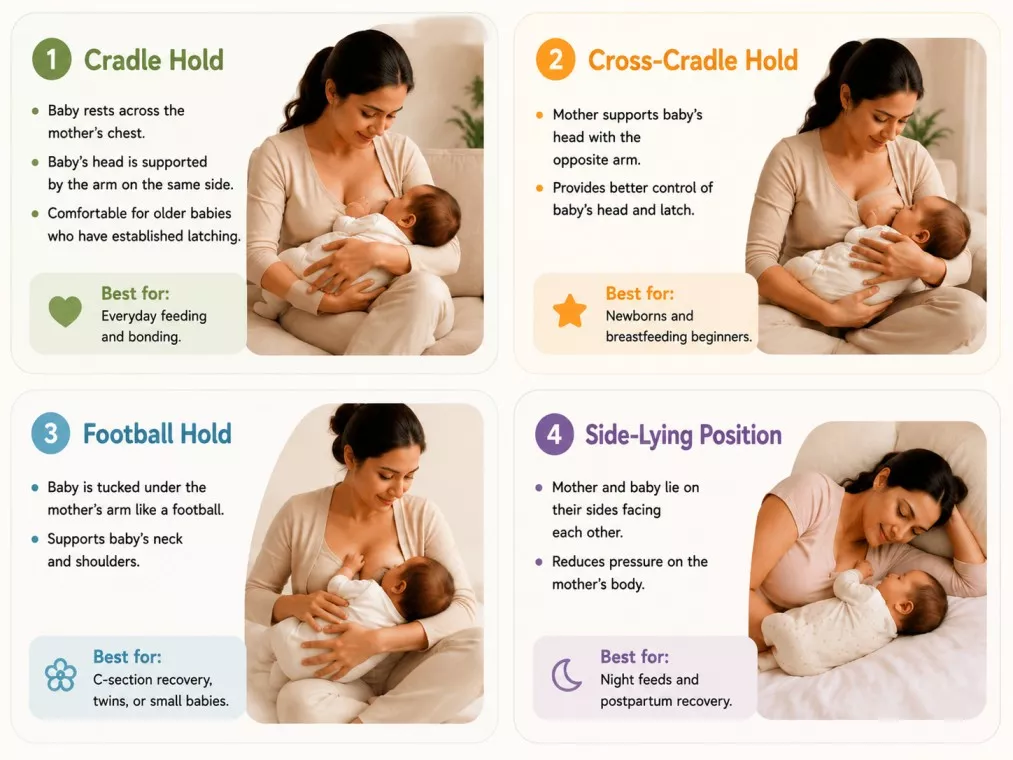
A comfortable feeding position makes breastfeeding easier. Choose one that helps your baby latch well and keeps you relaxed. Supporting yourself with pillows and holding your baby close can reduce strain and make feeding more comfortable, especially in the early weeks.

Bathing & skin care

Newborns only need a full bath 2–3 times a week. Daily top-and-tail washing (face, neck, hands and nappy area) is enough. Their skin is 5x thinner than adult skin and needs gentle, fragrance-free products.

Bath temperature

37–38°C. Elbow test — it should feel warm, never hot.

Bath duration

5–10 minutes max. Never leave baby unattended, even for 1 second.

Skin care

Fragrance-free, pH-balanced. Avoid adult products entirely.

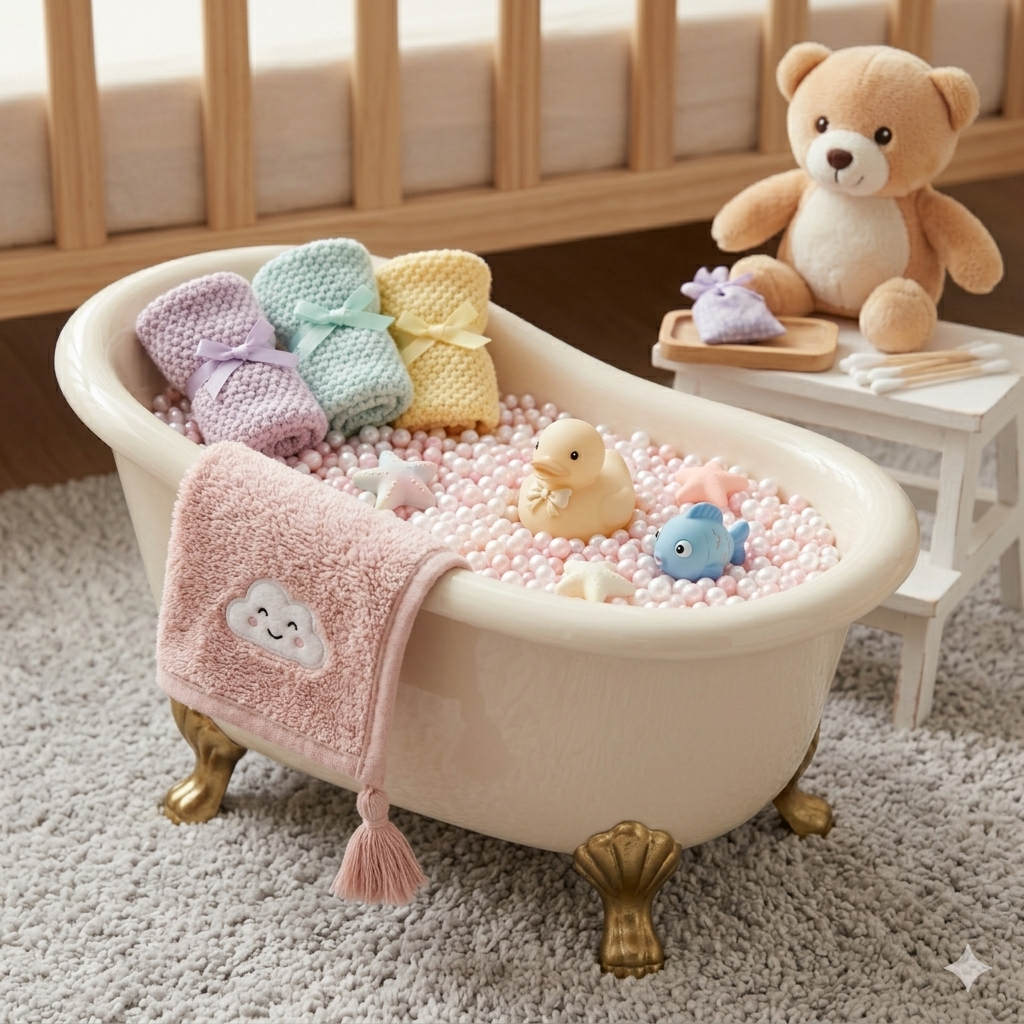
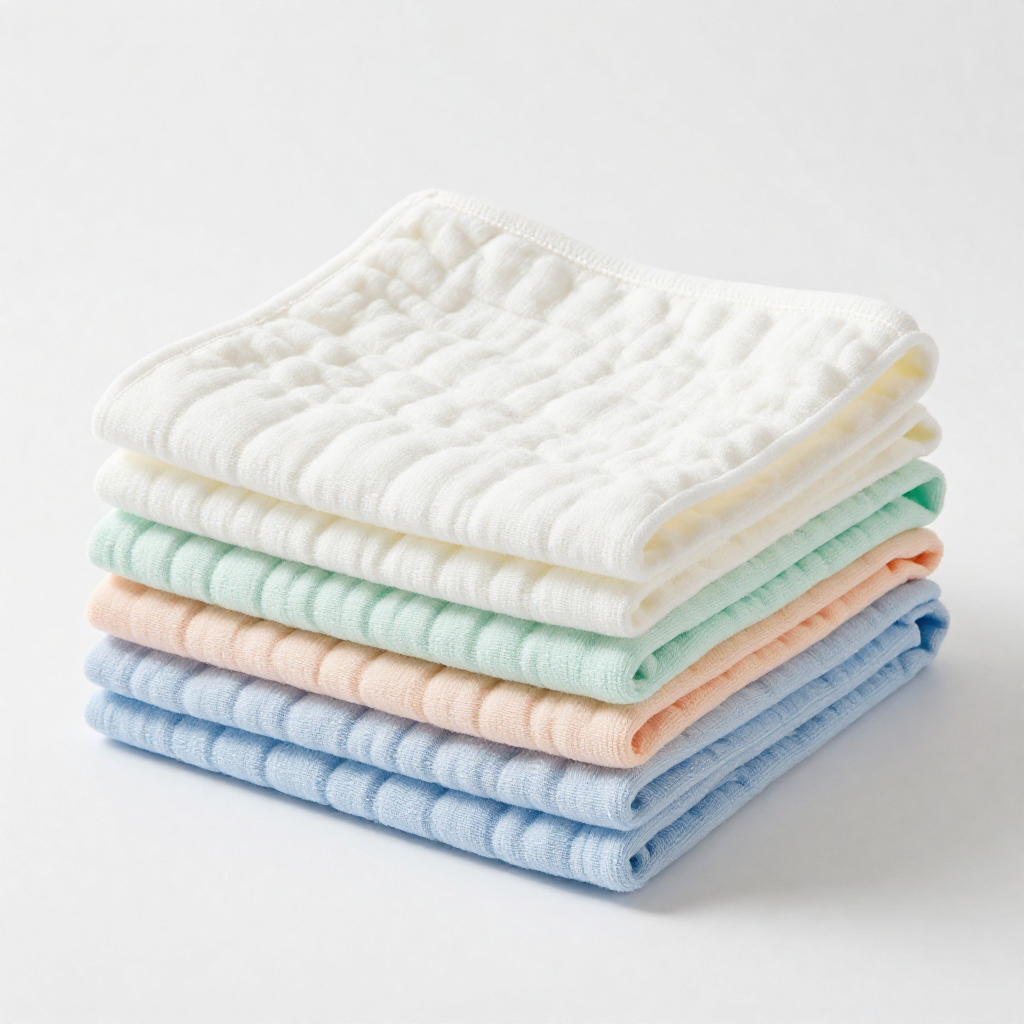
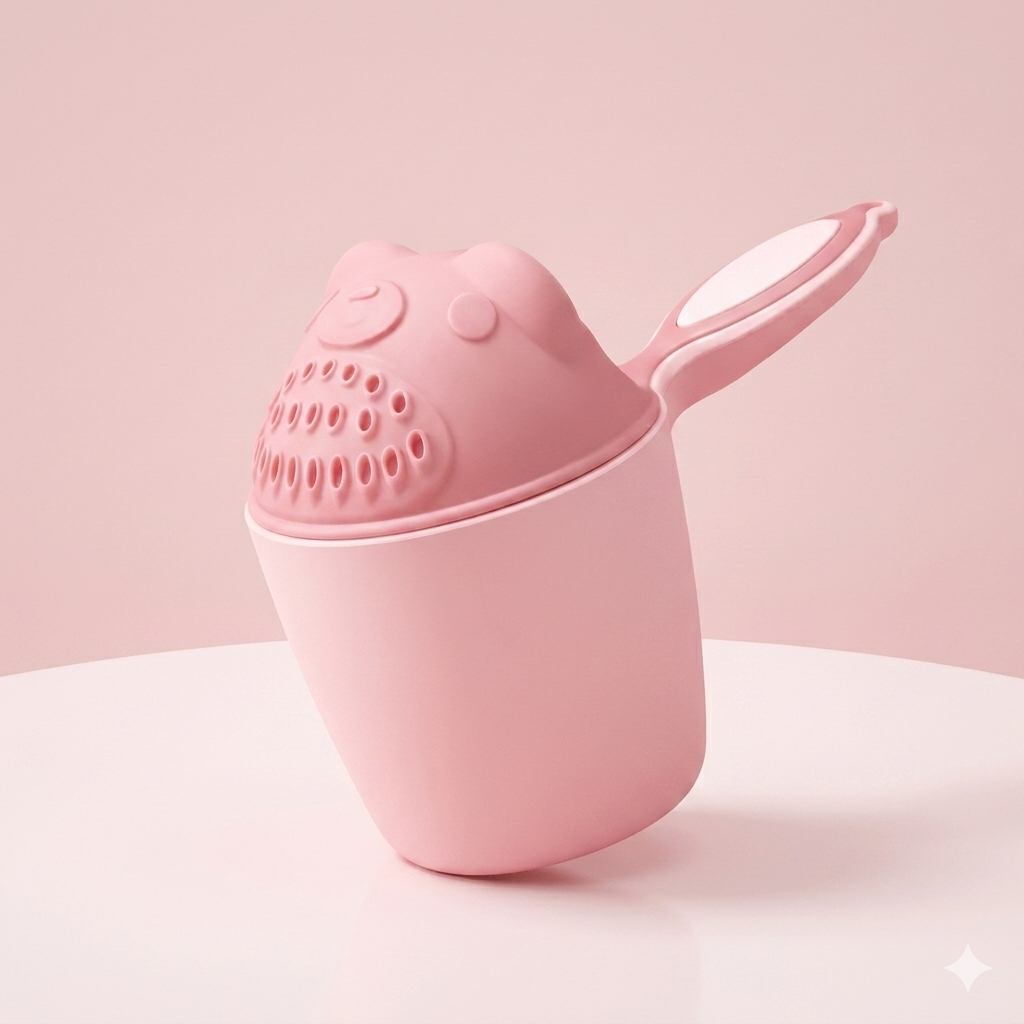
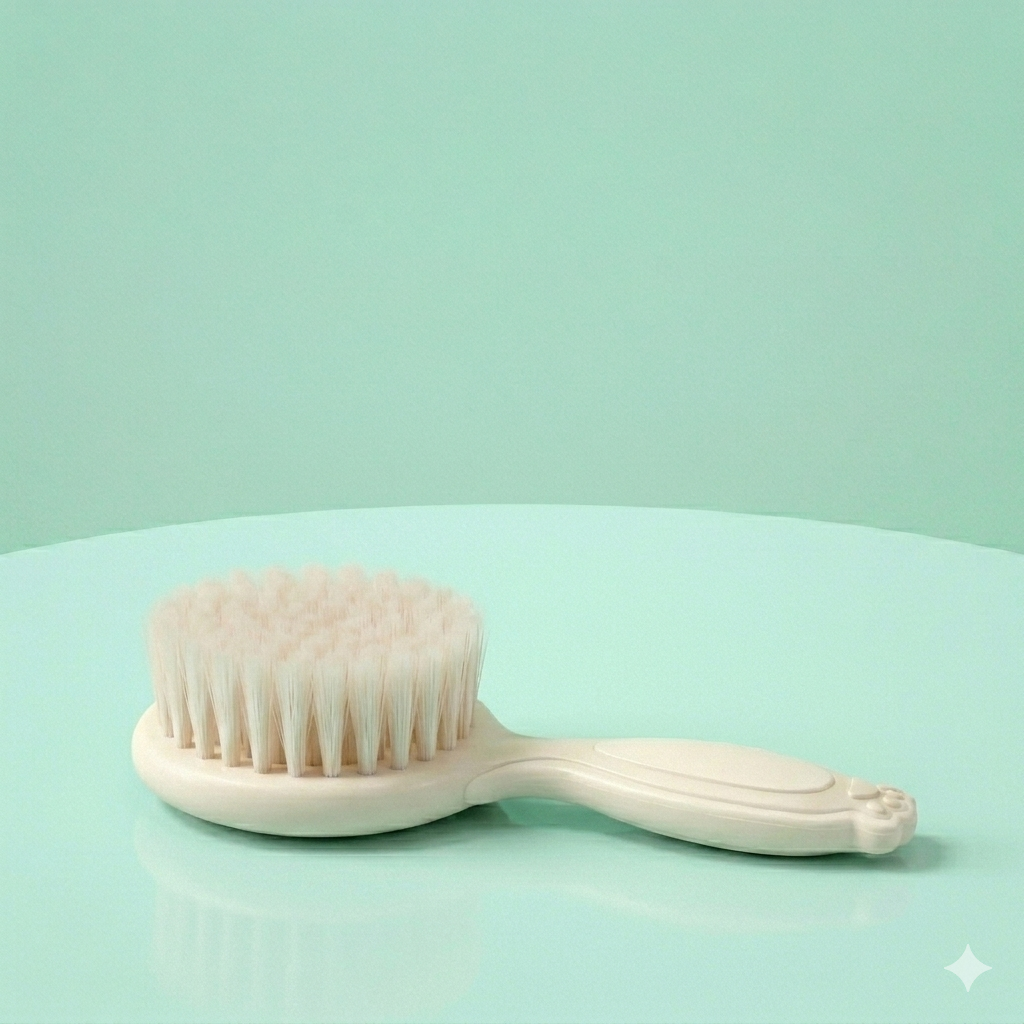
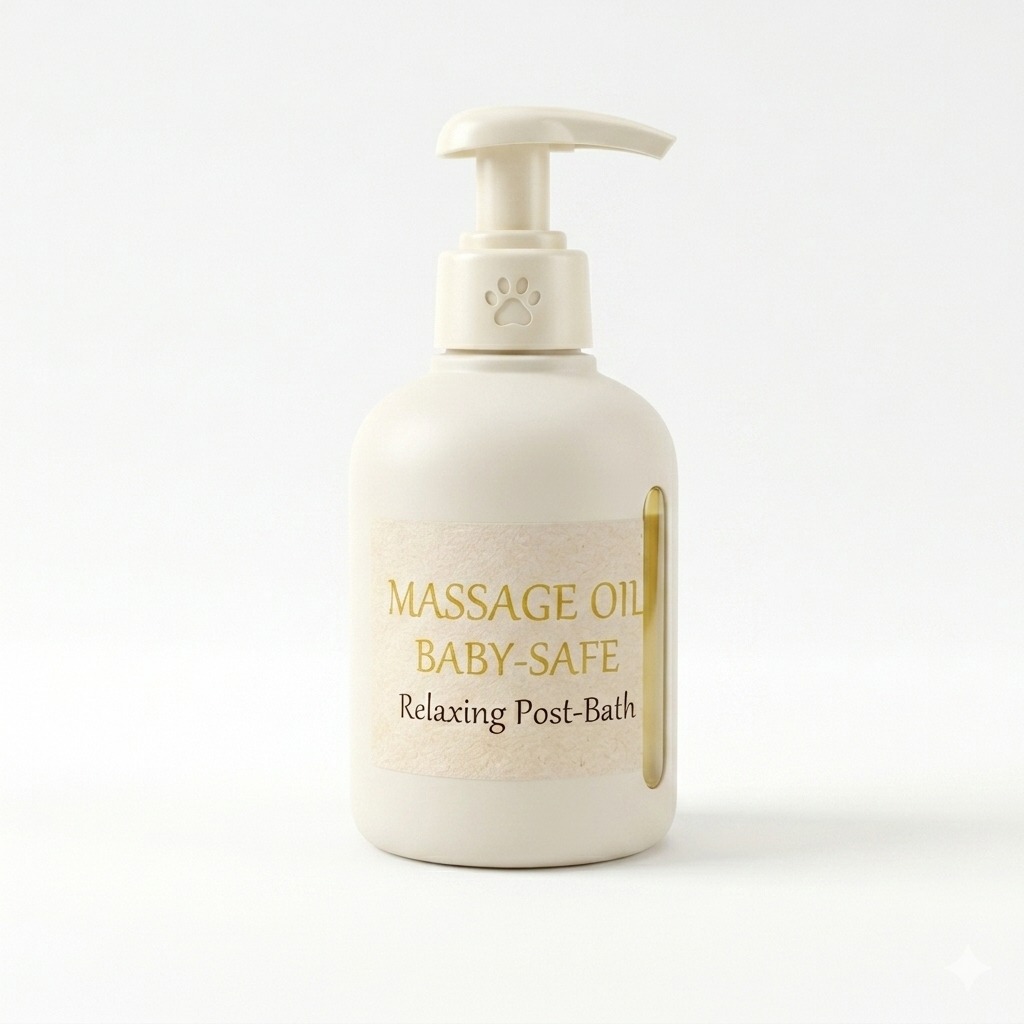
A gentle bath routine helps your baby feel relaxed and secure. Before starting, gather essentials like a soft towel, clean clothes, and baby-friendly products. Keep the room warm and speak softly to create a soothing experience for your baby.

Bath time is also a wonderful opportunity for bonding. Your gentle touch, eye contact, and reassuring voice help your baby feel safe while building trust and connection. As your baby grows, these simple moments can become a comforting part of their daily routine.

How your baby grows — month by month

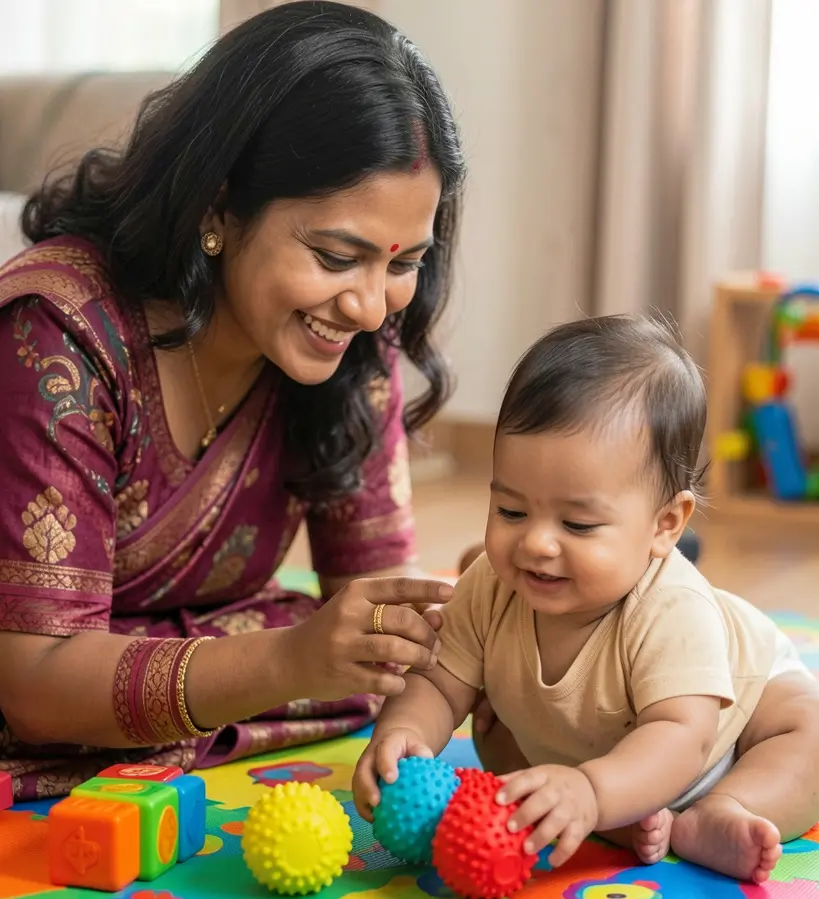
Every baby grows in their own special way, so there’s no need to rush. If you know what’s happening as your baby grows, you can help them at every step. Noticing new skills and changes makes it easier to cheer them on, help them learn, and give lots of love. Little things like talking, playing, reading, and cuddling each day make a big difference for your baby’s future.

Vision — seeing the world through your baby's eyes

Did you know your newborn can see you right now — just not clearly yet? From the moment of birth, your baby’s eyes and brain are working together to build one of their most powerful senses. Vision doesn’t arrive fully formed. It develops gradually, stage by stage, shaped by every face, colour and movement your baby experiences.

Understanding what your baby sees at each stage helps you respond to them better, choose the right toys and activities, and feel confident that their development is on track.

Blurry, black & white world

Baby sees only 20–30cm clearly. Everything is blurry and black & white. High-contrast shapes grab attention most because colour-detecting cells aren’t active yet.

What to do: Show black & white cards. Keep your face close during feeds.

Tracking & First Colours

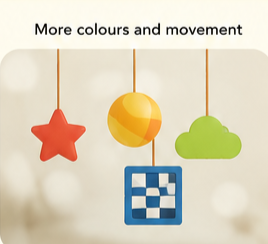
Reds, yellows and greens start appearing. Eyes now follow slow-moving objects. Both eyes begin working together for the first time.

What to do: Move a colourful toy slowly side to side. Introduce a bright mobile.

Depth & Reaching

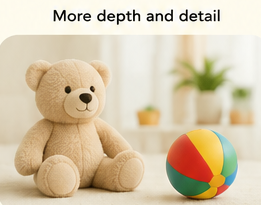
Baby can now judge distances and reach for objects. The world becomes three-dimensional. Vision is sharp enough to spot and grab things they want.

What to do: Hang toys within reach during tummy time. Play peekaboo.

 Exploring the World

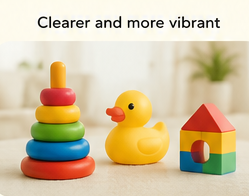
Vision is sharp, colourful and detailed. Baby spots small objects easily and uses eyes to explore everything around them. Visual-motor coordination develops fast.

What to do: Roll a ball slowly. Offer safe objects in different colours and textures.

Near Adult Vision

Almost adult-quality vision. Excellent depth, detail and full colour. Object permanence is fully developed — baby remembers where things are even when hidden.

What to do: Point and name objects. Hide toys under a cloth for them to find.

Hearing — how sound shapes your baby's brain

Babies are born with 100 billion brain cells. Language exposure in the first 3 years helps determine how many neural connections form between them. Talking, singing, and reading—even to a newborn—can have a measurable lifelong impact on learning and development.
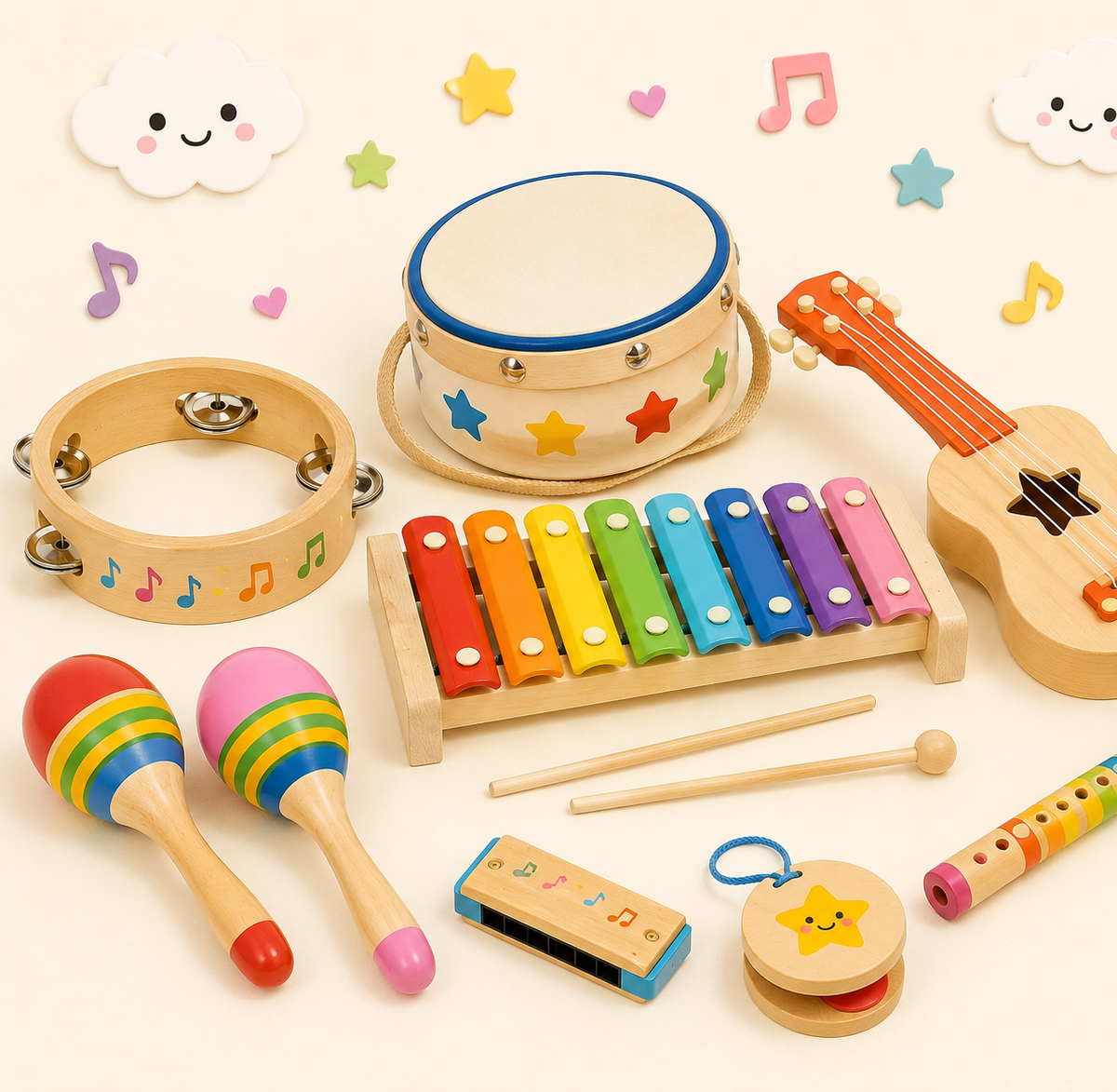
Every conversation, lullaby, and story helps build your baby’s communication, memory, and social skills. Even before they understand words, babies are actively learning from the sounds, expressions, and interactions they experience every day.
 

👂 0–3 months

Startles at sounds. Calms at mum's voice. Prefers high-pitched tones. Turns towards familiar sounds.

🎵 4–8 months

Turns head to sounds. Responds to name. Imitates sounds. Loves music and rhythm. Babbles.

🗣️ 9–12 months

Understands simple words. Says mama/dada with meaning. Waves goodbye. Points to things.

🔊How noise affects your baby

Safe – Soft music, singing, gentle talking — stimulates language development and soothes the nervous system 

Caution – Loud TV, shouting, heavy bass music — can overstimulate and distress a baby, raising cortisol levels.

Avoid – Sustained noise over 85db (lawnmower level) can cause  permanent hearing damage in babies 
 
When can I give my newborn a proper bath?

Wait until the belly button stump falls off  this takes about 1 to 3 weeks. Until then, use a soft cloth and warm water to gently clean baby.

How do I treat newborn nappy rash?

Change nappies often. Clean the area gently with plain warm water. Pat dry — never rub. Apply a thin layer of nappy rash cream at every change to protect the skin.

How do I know if my baby has a hearing problem?

Watch for these signs — not startling at loud sounds, not turning towards your voice by 3 to 4 months, not responding to their name by 7 months. Tell your doctor if you notice any of these.

When should I be concerned about my baby's vision?

See a doctor if no eye contact by 6–8 weeks, no tracking by 3 months, eyes crossing after 4 months, or no reaching for objects by 5–6 months.