
Baby Bathing Essentials
A complete guide to newborn bathing, safe water temperature, gentle products, step-by-step techniques and expert tips for new parents caring for their baby's delicate skin.
Explore Baby Bathing Essentials →This guide will walk you through everything you need to know about baby bath essentials. From choosing the right bathing supplies and preparing for bath time to caring for your baby’s skin and diaper area afterward, you’ll find practical tips to help you create a simple and stress-free routine that works for your family’s lifestyle.
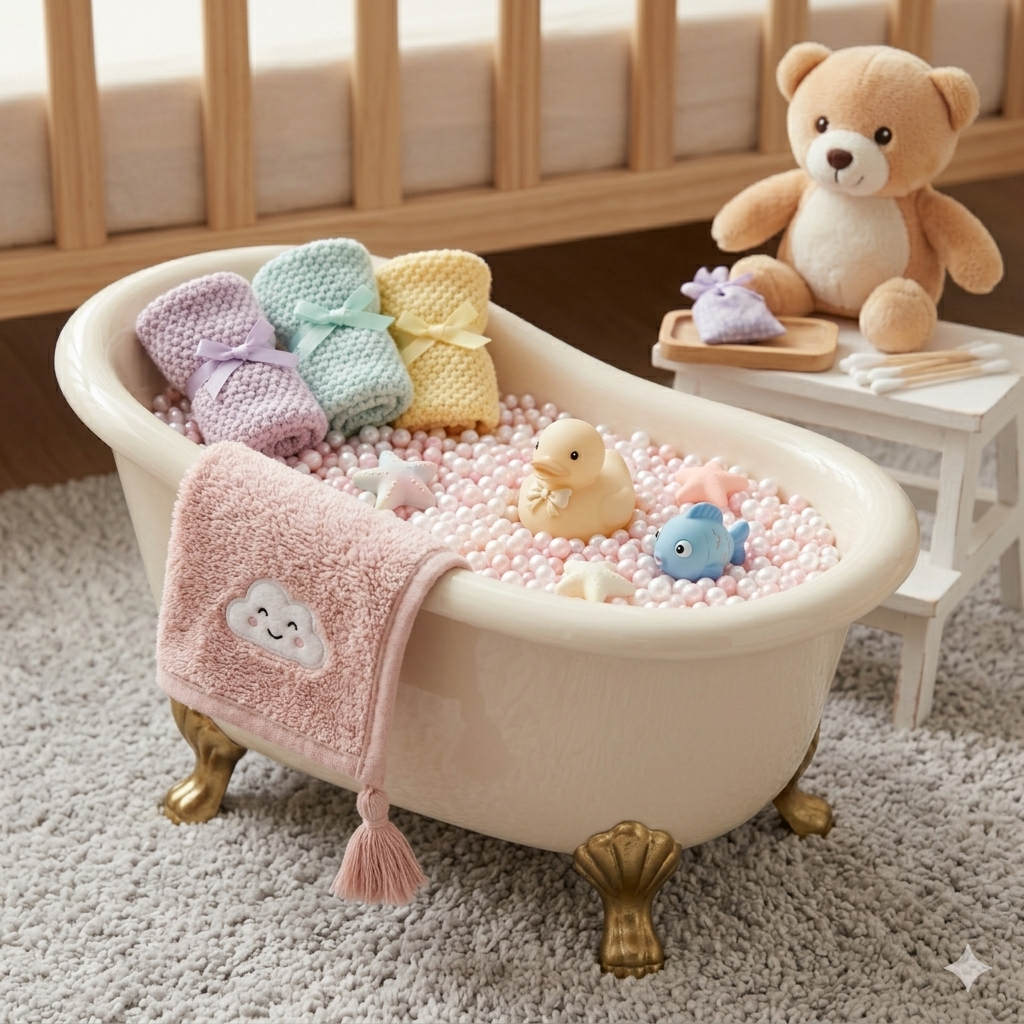
Preparing everything before bath time can make the experience smoother and safer for both you and your baby. Keeping all your baby bath essentials within easy reach means you won’t have to leave your little one unattended or search for items in the middle of the bath.
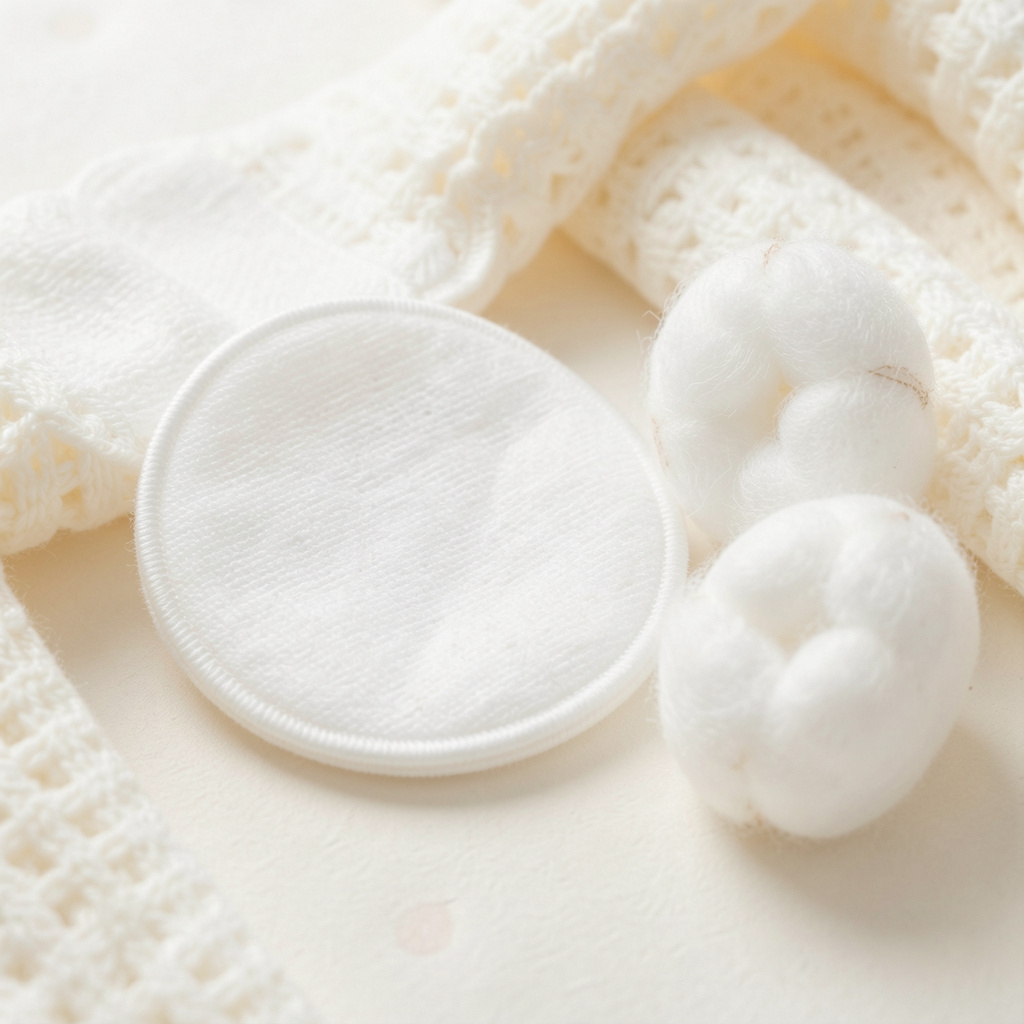
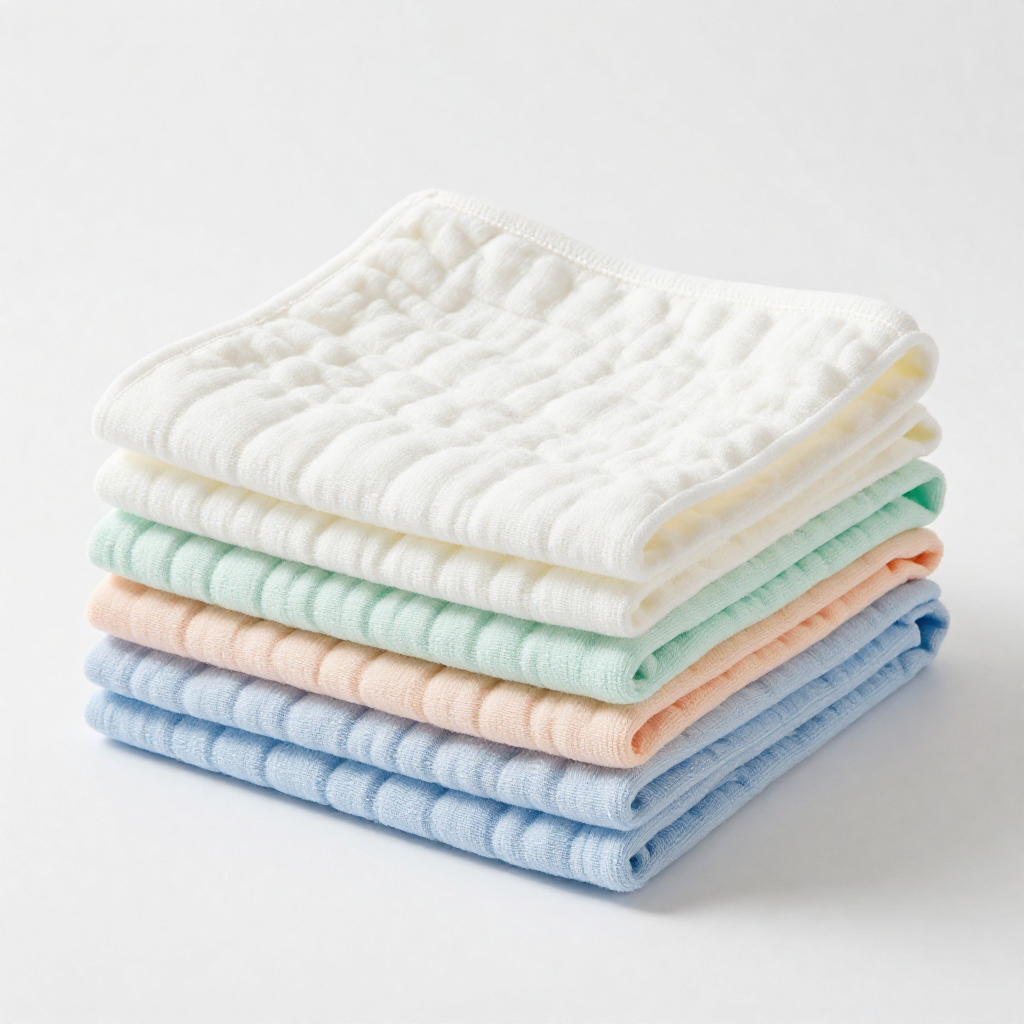
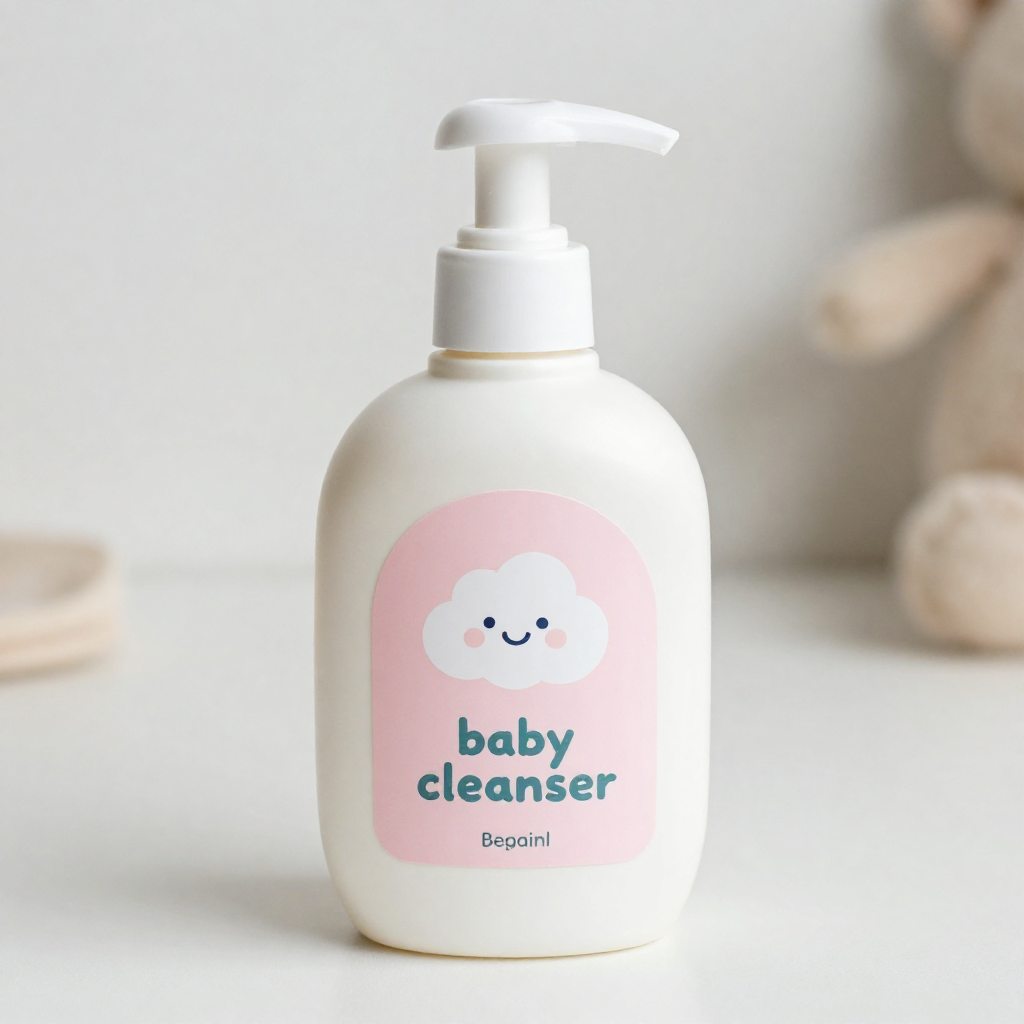
A well-organized bath station can help make every bath calm and stress-free. Consider storing these essentials in a basket or caddy near the bathing area:
Baby Bath Essentials
Baby Bath Basics:
Essential Tips and Must-Have Items for New Parents
Bathing a newborn for the first time can feel like a big challenge for many parents. Since babies are small and delicate, it’s natural to feel nervous about handling them during bath time. However, with the right preparation and a few simple techniques, bathing your baby can become a safe, relaxing, and enjoyable daily routine.
You don’t need a large collection of products to give your baby a comfortable bath. Keeping a few essential items close by and following a gentle routine can make the experience easier for both you and your little one. Bath time also offers a wonderful chance to bond, comfort your baby, and support healthy skin care from the very beginning.
The Complete List of Baby Bath Essentials for First-Time Parents
Preparing everything before bath time can make the experience smoother and safer for both you and your baby. Keeping all your baby bath essentials within easy reach means you won’t have to leave your little one unattended or search for items in the middle of the bath.
A well-organized bath station can help make every bath calm and stress-free. Consider storing these essentials in a basket or caddy near the bathing area:
Before the Bath — Oil That Prepares, Not Overwhelms
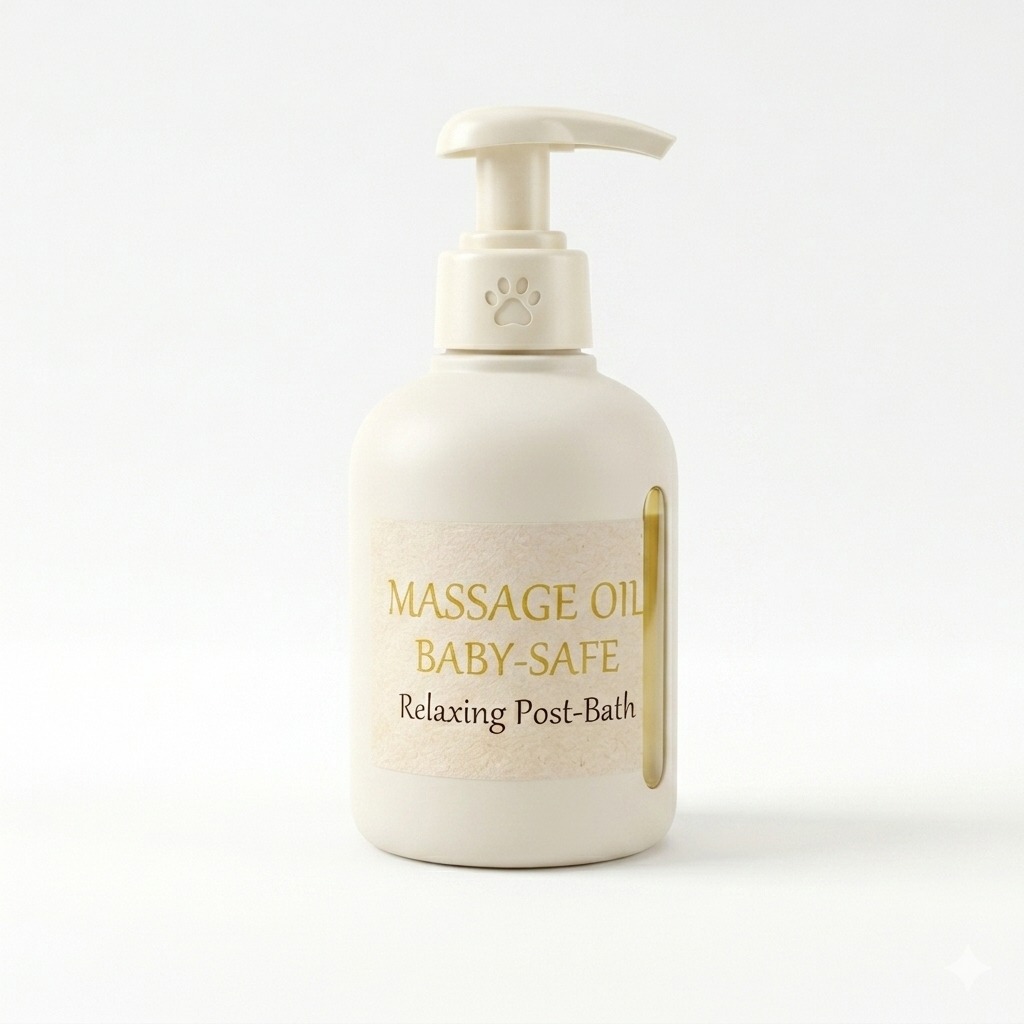
Many parents skip the pre-wash oil massage, assuming it’s an extra step they don’t have time for. A gentle massage before bath time offers more than just relaxation for your baby. It can help moisturize dry or flaky skin, promote healthy blood circulation, and prepare your little one for a calm and soothing bathing experience. Give you both a few quiet minutes of skin-to-skin connection before the splashing begins.
The key word here is light. A few drops of a gentle, fragrance-free oil coconut, sunflower, or a baby formulated blend warmed slightly between your palms is enough. Massage it gently over the arms, legs, tummy, and back using slow, soft strokes. There’s no need to drench the skin or rub vigorously; the aim is to prepare the skin, not overwhelm it (or your baby’s senses) right before bath time.
How to Give Your Baby a Bath, Step by Step
Once your essentials are ready and your baby’s skin is prepped, here’s how a typical wash goes along with answers to the questions most new parents ask.

How often does a newborn need a wash?
Newborns don’t need daily bathing. Bathing your baby two to three times a week is usually enough. Frequent baths can remove natural oils and cause dry, sensitive skin. On the days in between, a quick sponge-clean of the face, neck folds, hands, and diaper area keeps your baby fresh without a full baby bath.
Morning or night—does it matter?
There’s no medically “correct” time; it’s really about what fits your household. Many parents like an evening wash because it becomes part of a calming wind-down before sleep, while a morning baby bath can work just as well if that suits your routine better, especially if your baby tends to get fussier later in the day.
Is a sponge bath good enough?
Yes, especially in the first week or two, before the umbilical cord stump has healed and fallen off. Lay your baby on a soft towel in a warm room and gently wipe down with a warm, damp cloth, paying extra attention to skin folds at the neck, underarms, and groin.
What should be washed first?
Work from cleanest to dirtiest: face and head first, then the body, and the diaper area last. This simple order helps avoid spreading bacteria to more sensitive areas.
Should hair be washed every time?
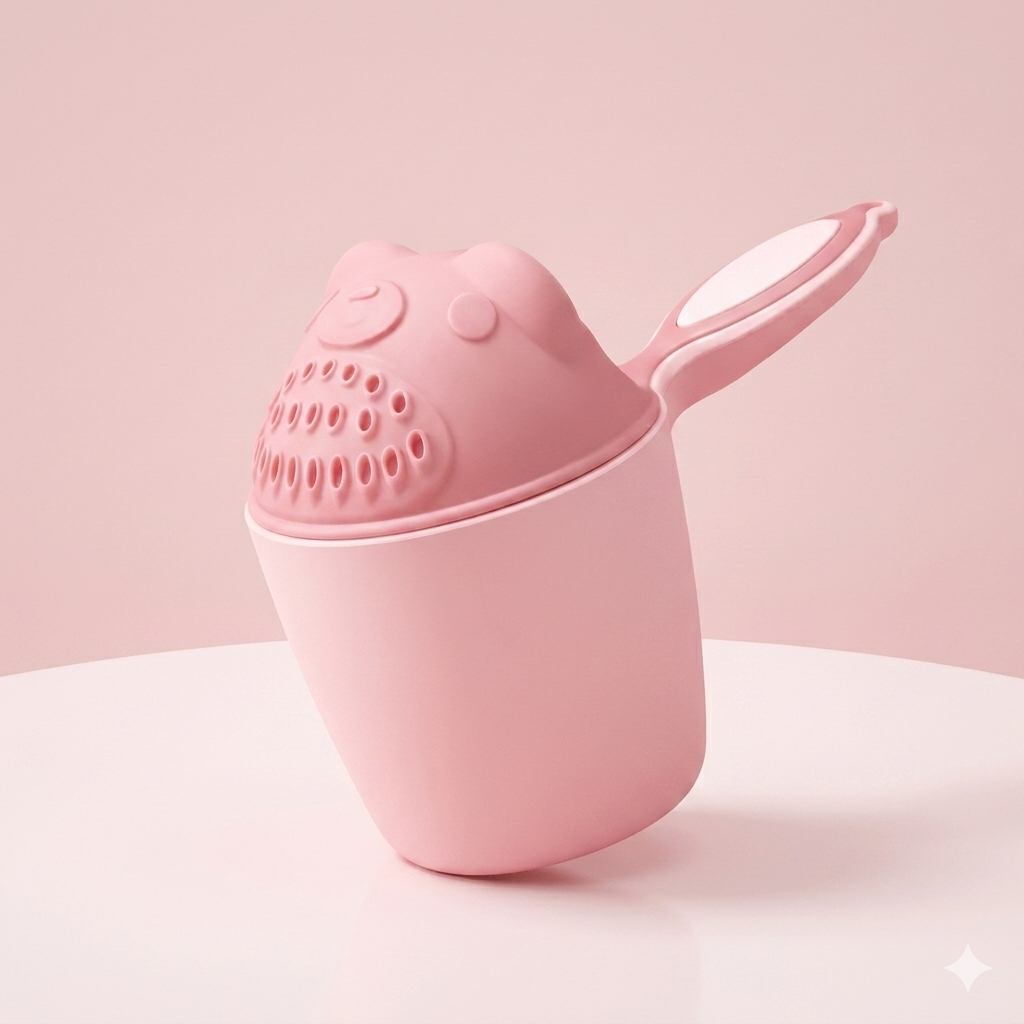
Not necessarily. Hair can be washed once or twice a week with a small amount of mild baby shampoo, massaged in gently, and rinsed thoroughly while you support your baby’s head with one hand the whole time.
After the Bath: Simple Steps for Healthy Baby Skin
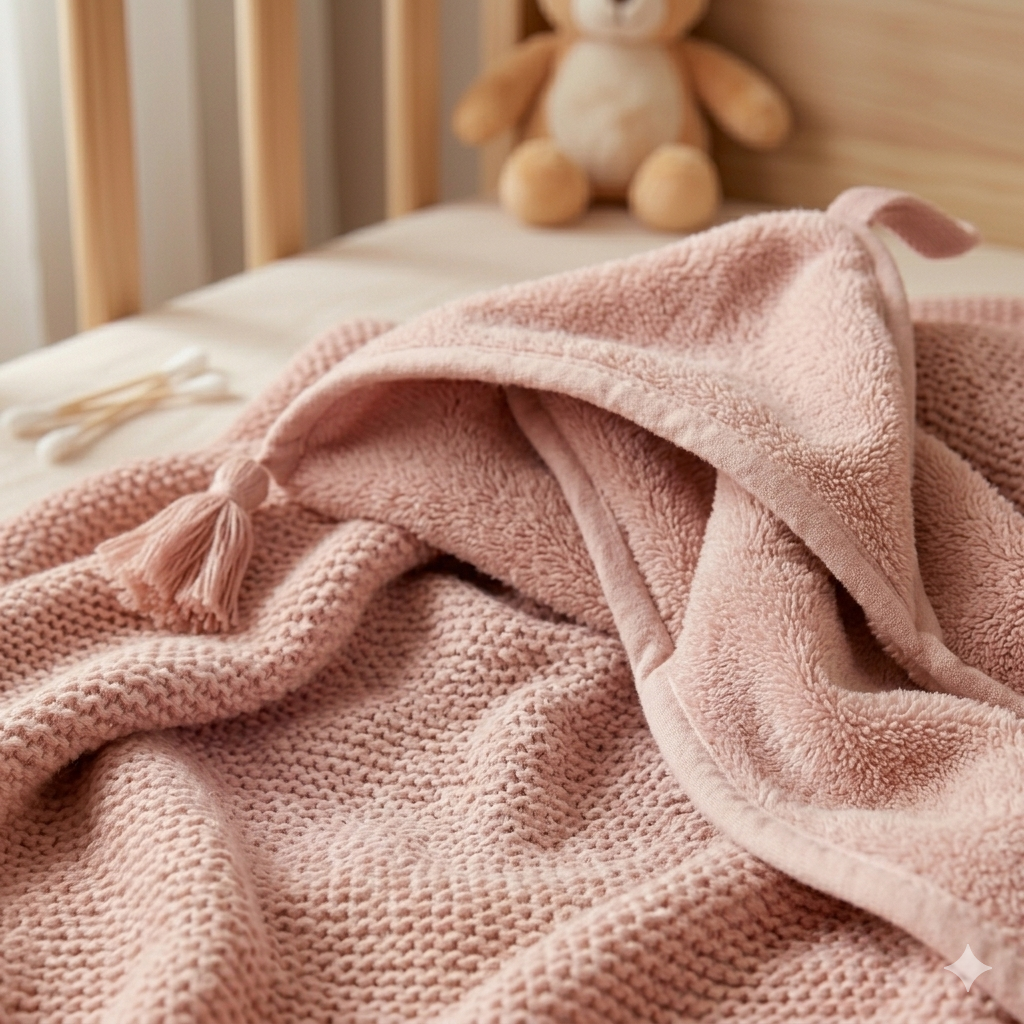
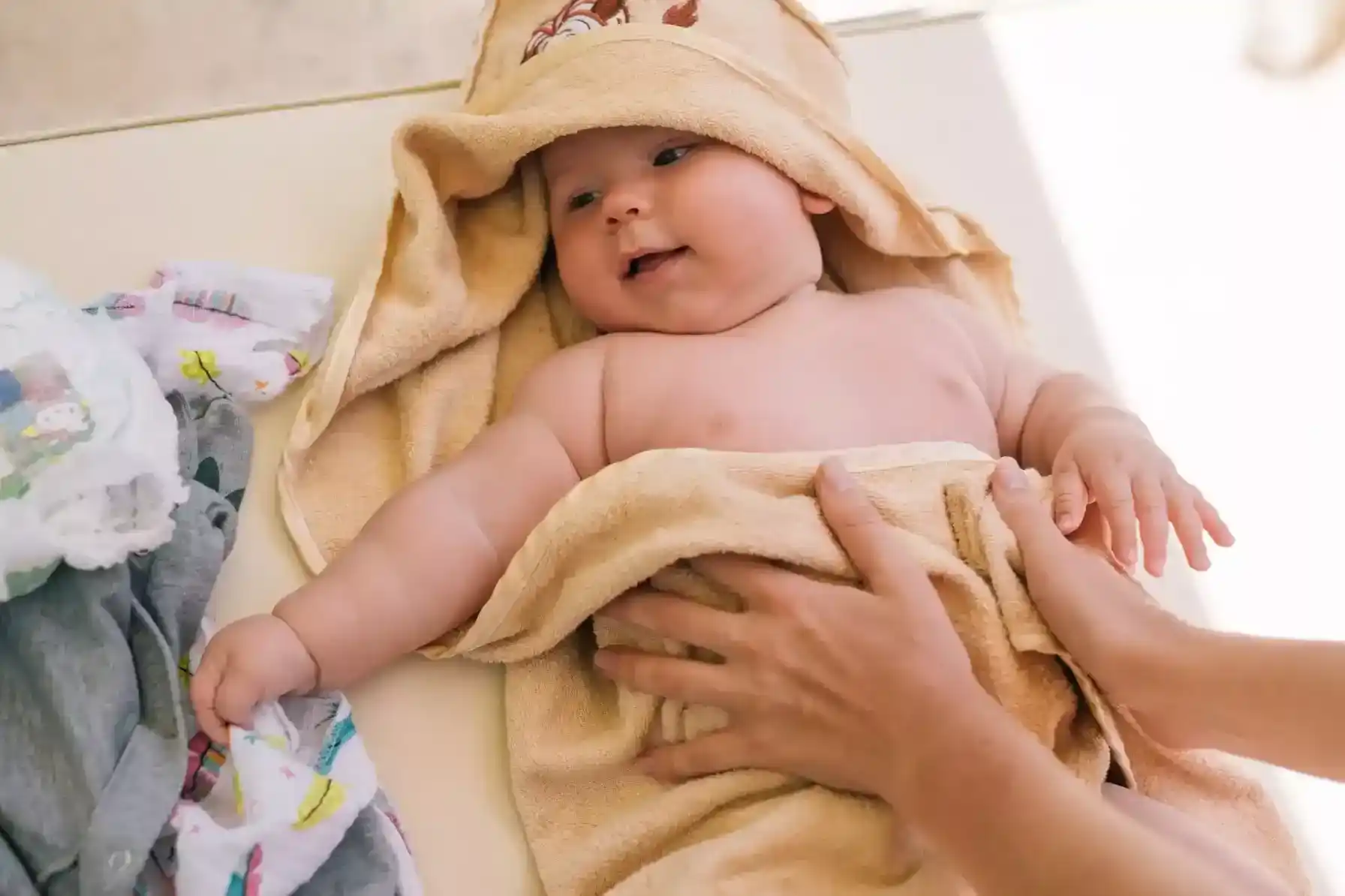
The care you give your baby after bath time is just as important as the bath itself. Once the bath is over, gently pat your baby’s skin dry with a soft towel instead of rubbing, as delicate skin can lose moisture quickly.
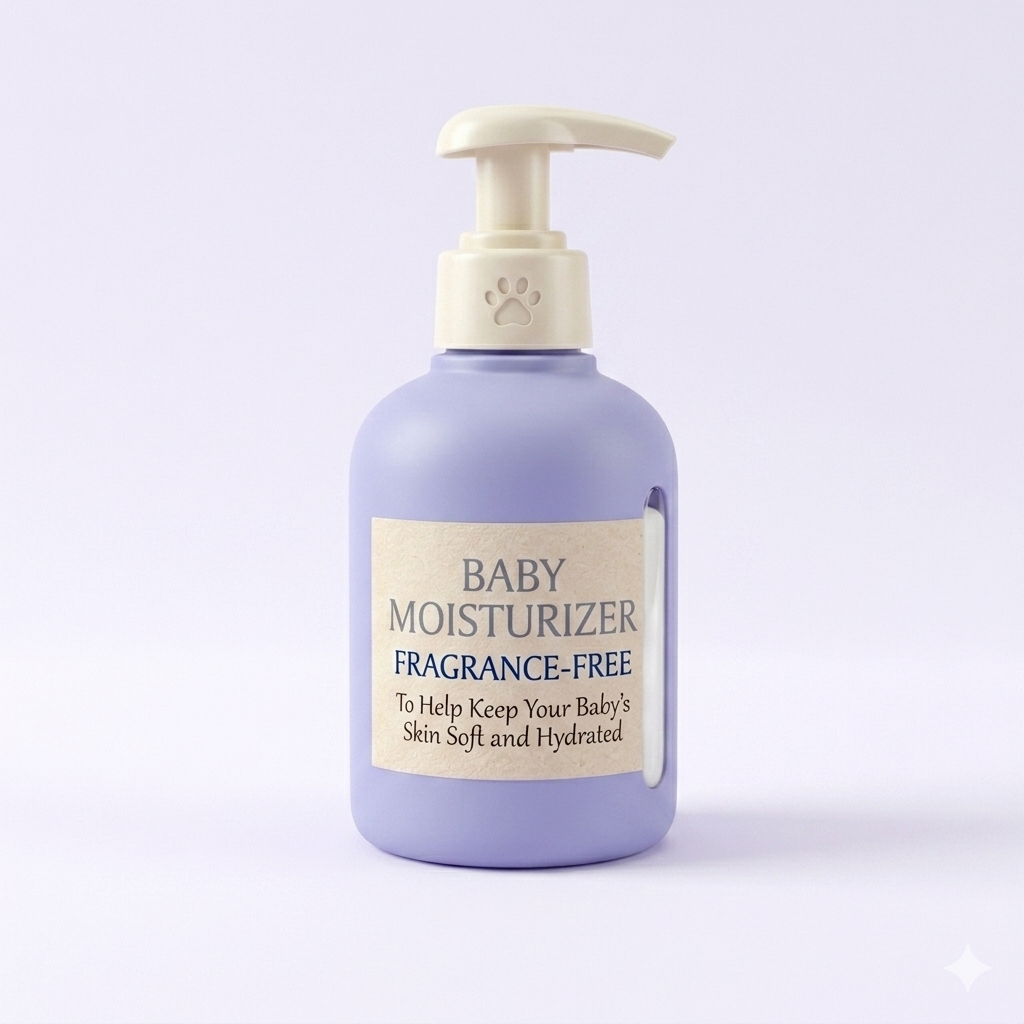
After drying, apply a gentle, fragrance-free moisturizer or baby oil to help keep the skin soft and hydrated. Pay special attention to areas that tend to become dry, such as the elbows, knees, ankles, and skin folds.
Post-bath time is also a great opportunity to enjoy a gentle massage or a quiet cuddle with your little one. These calming moments can help your baby feel relaxed and comfortable, making it easier for them to settle before feeding or naptime while strengthening your bond together.
The Diaper Area — Where Protection Matters Daily
The diaper area deals with more moisture and friction than almost anywhere else on your baby’s body, which is exactly why it’s one of the most common spots for irritation. At every change, clean gently with water or a fragrance-free wipe, pat the area dry thoroughly, and if you have a moment let the skin air out briefly before putting on a fresh diaper.
A thin layer of barrier cream, especially at night or whenever your baby has loose stools, helps create a protective layer against prolonged contact with moisture. If redness appears and doesn’t improve within a day or two, spreads beyond the diaper area, or looks like it might be infected, it’s worth getting it checked by your pediatrician rather than waiting it out.
When Skin Concerns Show Up
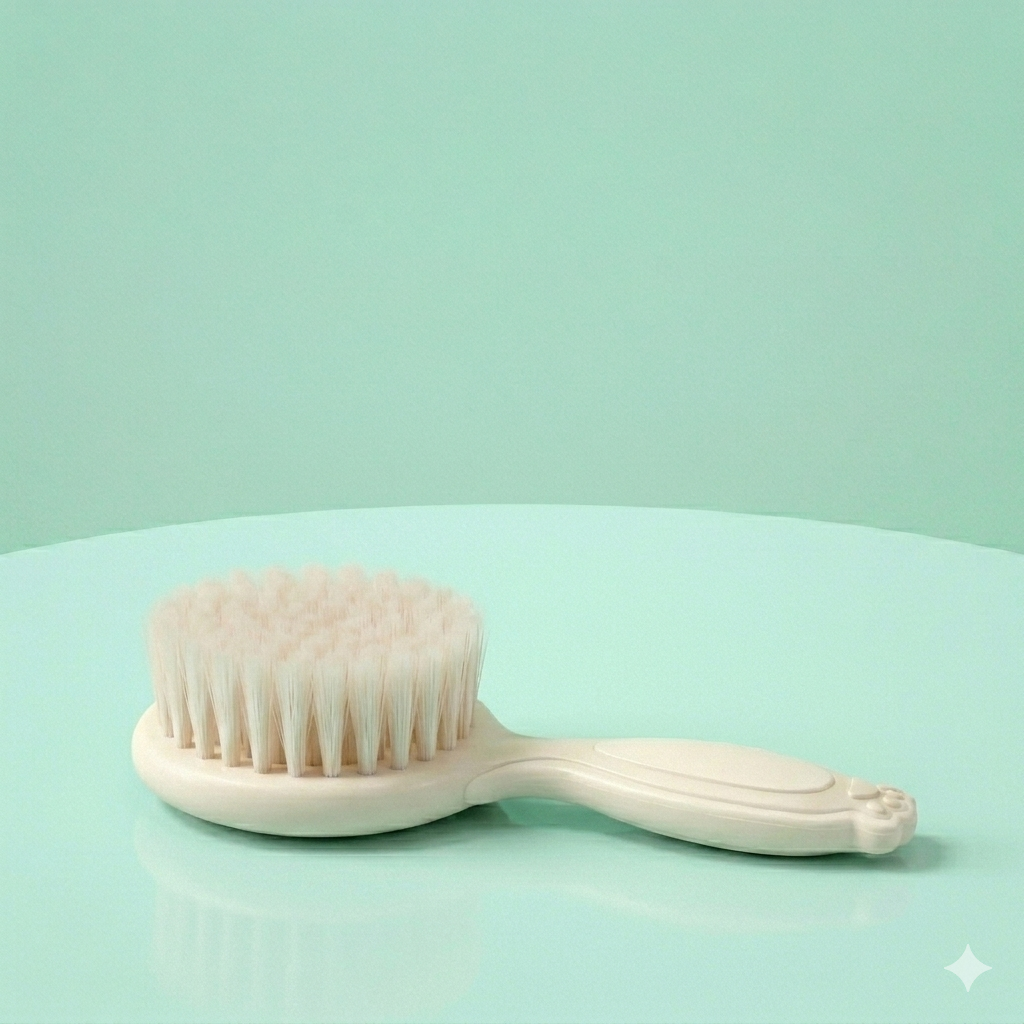
Even with a gentle routine, babies often develop minor skin issues and most are completely normal. Cradle cap, which looks like flaky, slightly oily patches on the scalp, usually clears up on its own and can be softened with a little oil before a gentle brushing.
Mild rashes caused by heat, drool, or certain fabrics can often be managed simply by keeping the area clean, dry, and free from harsh soaps or fragranced products. Eczema, on the other hand, tends to show up as dry, red, sometimes itchy patches and may respond well to a more frequent, fragrance-free moisturizer along with avoiding known triggers.
Built for Real Routines, Not Perfect Ones
Some days may not go as planned, and that’s a natural part of parenting. Some days the wash will be quick because your baby is overtired or fussy; other days you’ll have time for a longer, more playful soak. What matters far more than perfection is consistency: a handful of simple steps, repeated regularly, adjusted to whatever your day actually looks like.
This is also where bath time can become one of the easiest ways to add a little play into your baby’s routine. Soft, age-appropriate bath toys, a floating rattle, a stacking cup, or a gentle water squirter can turn a quick wash into a few extra minutes of sensory play and bonding, with zero pressure to “get it right.”
The goal isn’t a flawless routine. It’s a safe, comfortable one that works for your family, day after day, even on the days that don’t go quite as planned.
conclusion
Getting comfortable with baby bath time takes a little practice on both sides, and it’s completely normal to feel unsure at first. With the right essentials close at hand, a gentle routine before and after the wash, and a little patience for the days that don’t go perfectly, it becomes one of the easiest and often sweetest parts of caring for your little one.
For soft, baby-safe bath toys and everyday essentials that make bath time a little more fun, explore the collection at ZaminoToys, designed with your little one’s comfort and curiosity in mind.


Pingback: How to Caring for a Newborn ? Baby Care Tips for Every Parent